
Flood Risks Are Rising Faster Than Most People Expect
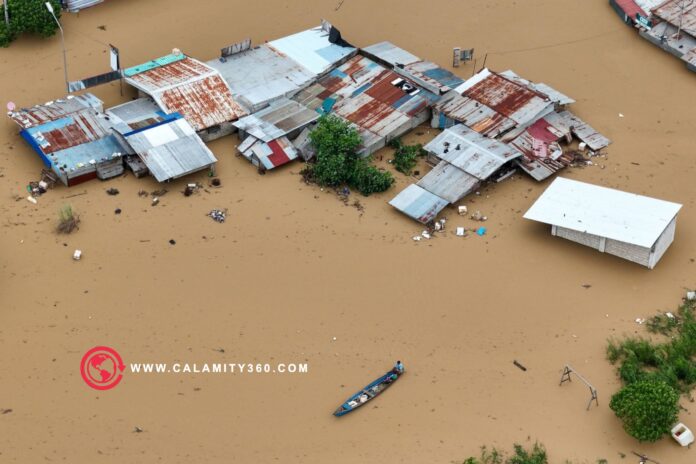
Flooding is becoming more frequent as stronger storms collide with expanding cities and altered landscapes worldwide. Rapid urban growth replaces natural drainage with concrete surfaces that push rainwater into streets and homes. These changes mean floodwaters can rise suddenly, leaving little time for hesitation or confusion during emergencies.
Climate driven rainfall patterns now deliver heavier downpours that overwhelm rivers, drains, and coastal defenses. Floods no longer unfold slowly, as flash flooding increasingly strikes communities with minimal warning time. In these moments, knowing what to do matters far more than physical strength or luck. Preparation and awareness turn chaos into manageable decisions when water begins rising fast around homes and roads.
Flood related injuries often occur because people underestimate water speed, depth, and unseen hazards nearby. Even shallow moving water can knock adults off balance and sweep vehicles away within seconds. Electrical risks, hidden debris, and contaminated water further increase danger during uncontrolled flooding events nationwide. Quick informed decisions reduce exposure to these threats and prevent panic driven mistakes during floods. Understanding flood behavior helps people recognize when conditions are becoming life threatening rapidly without warning.
Urban flooding often spreads faster because drainage systems fail or become blocked by debris suddenly. Low lying neighborhoods, underpasses, and coastal zones face heightened risk during intense storms events annually. Recognizing local vulnerabilities allows residents to act sooner instead of reacting once escape routes disappear.
Flood safety begins long before water arrives, starting with understanding regional risks and warning signs. People who plan ahead respond faster, communicate better, and avoid dangerous last minute decisions altogether. Waiting for visual confirmation of danger often wastes precious minutes that floods do not allow. This guide focuses on actions that matter most when seconds determine safety for families everywhere.
Flood emergencies demand calm thinking supported by clear knowledge rather than instinct alone during crises. Understanding risks builds confidence, which helps people follow through on protective actions under pressure situations. Each step taken early improves survival odds for individuals, families, and entire communities during floods. The following sections outline practical moves designed to reduce injuries and save lives during floods. Acting decisively during floods transforms uncertainty into control when conditions deteriorate rapidly without warning signs.
1. Move Early Before Water Cuts Off Escape Routes
Evacuating promptly during floods greatly increases survival chances and prevents people from becoming trapped in rapidly rising waters. Waiting too long can create dangerous situations that are difficult to escape. Recognizing early warning signs and understanding evacuation routes are critical steps for safety.
Flood alerts, rising water levels, and official advisories should always be taken seriously without hesitation. Planning your departure in advance allows for smoother evacuation and reduces the stress of last-minute decisions. Families should prepare emergency kits and have a clear communication plan before leaving.
Delaying evacuation can lead to severe consequences, including being stranded on flooded roads or in unsafe buildings. Authorities often emphasize leaving immediately when warnings are issued, as floodwaters can rise unexpectedly within minutes. Vehicles can easily be swept away, making early movement essential to avoid life-threatening situations.
During evacuation, prioritize safety over personal belongings, ensuring everyone in the household is accounted for. Streets may become impassable, and electrical hazards can increase risks significantly. Staying informed through radio, apps, or local channels ensures timely decisions during unpredictable flood scenarios.
Even experienced residents of flood-prone areas must not underestimate the speed and unpredictability of water surges. Coordination with neighbors or community groups can facilitate quicker evacuation and assist those needing extra help. Always identify multiple routes in case primary roads are submerged or blocked.
Early movement also allows emergency services to operate more efficiently, reducing the strain on rescue operations. By leaving before water rises, you minimize exposure to hazards and avoid risky last-minute maneuvers. Prior preparation and rapid action can make the difference between safety and severe danger.
2. Never Walk or Drive Through Floodwaters
Floodwaters can hide powerful currents, debris, and sudden drop-offs that are extremely dangerous for anyone attempting to cross. Even shallow water can sweep people off their feet, making walking hazardous. Vehicles can be easily carried away by strong currents, putting drivers and passengers at severe risk.
Standing water often conceals hazards such as potholes, broken glass, and submerged obstacles that can cause injury or immobilize vehicles. Driving through flooded streets is particularly dangerous because water can stall engines or float cars unexpectedly. Pedestrians underestimate water depth and speed, often resulting in life-threatening situations.
Swift water can knock down adults and children alike, leading to drowning within seconds. Storm drains, culverts, and sinkholes present invisible dangers that intensify during floods. Emergency responders advise avoiding all contact with moving floodwaters whenever possible.
Even a few inches of moving water can destabilize a person’s balance or push a car off the road. Debris such as tree branches, sharp objects, and electrical hazards increase the danger dramatically. Planning alternative routes and waiting for water levels to recede ensures safety.
Attempting to cross floodwaters also puts rescuers at risk if emergency services must intervene. Being patient and avoiding temptation to cross can prevent unnecessary accidents and fatalities. Communities should educate residents on the severe risks associated with moving water during floods.
If unsure about water depth or safety, do not attempt to cross by foot or vehicle. Flooded areas may appear calm but can hide dangerously strong undercurrents. Observing official warnings and barricades is the most reliable way to stay safe.
Staying away from all floodwaters protects not only your life but also those who might attempt risky rescues. Awareness and caution are crucial in every flood-prone scenario, no matter the perceived severity. Avoiding water entirely is always safer than taking unnecessary risks.
3. Know Safe Ground and Shelter Options Ahead of Time
Planning ahead for higher ground or designated flood shelters is crucial to ensure safety during rapidly rising waters. Identifying safe buildings before a flood can save precious time. Farmers and residents must map out multiple escape routes in case primary paths become blocked.
Understanding the locations of community flood shelters allows families to coordinate evacuation plans efficiently. Shelters often provide essential supplies, making early arrival important for securing space. Knowing which buildings are structurally safe reduces the risk of injury during flooding events. Emergency services often post updates on accessible shelters, which residents should monitor closely.
High ground near your home or farm provides a safer alternative when immediate evacuation is necessary. Familiarity with terrain prevents delays caused by unfamiliar routes. Local authorities sometimes designate schools or community centers as temporary safe zones. Planning which higher areas to reach first improves reaction time during flash floods.
Residents should identify multiple shelters to avoid overcrowding or access issues during emergencies. Mapping these locations on a physical or digital map ensures quick reference when needed. Practicing evacuation routes in advance can significantly reduce panic and confusion. Safe ground planning should consider both walking and driving routes for all family members.
It is critical to consider transportation availability when planning safe destinations. Not all households have vehicles capable of navigating flooded roads. Alternative plans should include bicycles, boats, or community evacuation assistance programs. Quick access to transportation can mean the difference between safety and dangerous delays.
Communication plans must be integrated into shelter and high ground strategies. Informing neighbors and family members of intended destinations ensures coordinated evacuations. Cell phone backups or radios can provide vital updates during power outages. Shared plans reduce confusion and improve collective safety during widespread flooding.
For farms, livestock evacuation or securing animals in elevated areas is an important consideration. Planning must include accessible routes to barns or temporary holding areas. Ensuring animals’ safety is part of comprehensive flood preparedness. Advance planning prevents last-minute decisions that can endanger both humans and animals.
Regularly reviewing and updating safe ground and shelter plans keeps them effective. Changes in urban development or road conditions can alter evacuation feasibility. Families should rehearse routes and check for newly designated shelters periodically. Staying proactive ensures preparedness when floods strike unexpectedly.
4. Protect Your Home Only When It Is Still Safe
Before floodwaters arrive, ensure personal safety is prioritized over belongings or property. Shutting off electricity, gas, and water prevents potential hazards. Only attempt home protection if escape routes remain clear and accessible.
Securing valuables in waterproof containers or moving them to higher ground reduces potential losses. Sandbags can help divert minor flooding if placed strategically around doors and low openings. Property protection should never put individuals at risk during rising waters. Emergency services often warn against re-entering homes once conditions deteriorate.
Check that all household members understand when it is safe to act. Children and elderly require supervision to avoid accidents while preparing the home. Quick, calm actions reduce stress and prevent injuries during the critical pre-flood period. Practicing home protection measures in advance increases efficiency when time is limited.
Avoid standing water while moving items or placing sandbags, as it can hide hazards. Even shallow water may contain debris or electrical risks. Wear appropriate protective gear, including gloves and waterproof boots. Safety precautions are essential when performing tasks near rising floodwaters.
Document property and valuables with photos or video to simplify insurance claims. Prioritize items that are essential or irreplaceable for protection. Avoid overexertion while carrying heavy objects during preparation efforts. Planning and organization enhance both safety and efficiency during emergency measures.
Remain alert to changing weather and flood reports before attempting protective measures. Rising waters can quickly turn previously safe areas into danger zones. Maintaining awareness allows timely decisions about leaving the property safely. Constant vigilance prevents last-minute panic and improves survival chances.
If conditions become unsafe, abandon property protection immediately and move to higher ground. Lives are far more valuable than material possessions. Coordinating with family and neighbors ensures everyone reaches safety without unnecessary risk. Always have a final exit strategy when attempting pre-flood home measures.
5. Stay Informed Using Reliable Emergency Alerts
Receiving timely weather alerts and local advisories allows individuals to take necessary precautions during rapidly changing flood conditions. Following official sources ensures information accuracy and reliability. Avoid relying on unverified social media updates that may cause confusion.
Emergency broadcasts provide guidance for evacuation, road closures, and shelter availability. Families should designate a primary source for real-time updates during flood threats. Consistent monitoring helps identify sudden changes that could affect safety plans. Acting on accurate alerts reduces panic and prevents risky decisions.
Mobile apps, text alerts, and radio announcements can complement each other for continuous updates. Ensure devices are charged and notifications are enabled to receive warnings promptly. Checking multiple sources confirms the credibility of information during critical moments.
Community networks often share localized updates that may not appear in national alerts. Neighbors, local authorities, and community groups can offer real-time information on road conditions and shelter access. Combining official alerts with community insights enhances situational awareness for safer decisions.
Be wary of forwarded messages containing unverified claims, which can spread fear unnecessarily. Only act on information from recognized agencies to avoid unsafe actions. Understanding reliable channels strengthens preparedness during fast-developing flood events.
Plan how to receive alerts if power or internet access is disrupted. Battery-operated radios and emergency kits ensure access to critical information when technology fails. Preparedness includes maintaining multiple communication methods to stay informed at all times.
Regularly review how alerts are communicated in your area and update contacts. Knowing which apps, phone numbers, or radio stations are reliable ensures no critical warning is missed. Training household members on interpreting alerts prevents delays in taking necessary action.
During a flood emergency, prioritize alerts that directly affect your immediate location. Localized warnings are more actionable than general weather updates, providing critical guidance. Staying focused on relevant alerts improves response speed and decision-making effectiveness.
Continued vigilance ensures families can adjust plans quickly as conditions evolve. Observing updated alerts allows timely evacuation or protective measures when flood threats intensify. Staying informed significantly increases safety and minimizes potential injuries or losses during floods.
6. Prepare Emergency Supplies That Support Rapid Evacuation
Assemble essential items in a portable bag to ensure quick evacuation during sudden flood events. Include important documents, identification, and copies of personal records. Keeping these items together reduces delays and confusion under stressful conditions.
Stock sufficient medications, first aid supplies, and hygiene essentials for at least three days. Ensure each family member has personal care items readily accessible. Organizing supplies in waterproof containers protects them from flood damage.
Pack non-perishable food and bottled water to maintain energy and hydration during evacuation. Select items that require minimal preparation and can be eaten on the go. Portable snacks such as nuts, granola bars, and dried fruit are practical options.
Include communication tools such as fully charged mobile phones, power banks, and emergency radios. Ensure battery-operated devices are functional and accessible during power outages. These tools help maintain contact with family, neighbors, and authorities.
Prepare clothing, blankets, and rain gear appropriate for the season and weather conditions. Keep extra footwear to navigate flooded areas safely. Choosing lightweight, compact items enhances mobility during rapid evacuation.
Assign each household member responsibility for carrying specific items to streamline evacuation. Practicing packing routines regularly ensures everyone knows what to grab in emergencies. Familiarity with the process reduces stress and prevents forgotten essentials.
Review and update your emergency supply kit periodically to account for changing needs. Replace expired food, medications, and batteries promptly to maintain readiness. A well-prepared kit significantly increases safety and comfort during flood evacuations.
7. Avoid Post Flood Dangers After Waters Recede
Even after floodwaters retreat, hazards remain that can threaten health and safety. Contaminated water may carry bacteria and viruses that pose serious risks. Always avoid wading through standing water without proper protection.
Inspect structures cautiously before reentering homes or buildings. Flood damage can weaken walls, floors, and roofs, creating collapse risks. Take time to evaluate stability to prevent accidents.
Be aware of electrical dangers, including submerged outlets and downed power lines. Turn off main electrical sources if unsure of safety. Using water-damaged appliances can result in shocks or fires.
Wear protective gear such as gloves, boots, and masks when handling debris. Flood debris may hide sharp objects, broken glass, or hazardous materials. Proper protection reduces the risk of injuries and infections.
Avoid consuming food or water exposed to floodwaters. Contaminated supplies can cause gastrointestinal illnesses and other health complications. Discard spoiled items promptly to prevent sickness.
Monitor local advisories regarding water quality, structural safety, and health warnings. Authorities may provide guidance on which areas remain unsafe. Follow official instructions carefully to ensure safety.
Clean and disinfect affected surfaces thoroughly using appropriate cleaning agents. Mold growth can develop quickly in damp conditions, causing respiratory problems. Prompt sanitation reduces long-term health hazards.
Exercise patience and caution when returning to normal routines after flooding. Prioritize safety over convenience to avoid preventable accidents and illnesses. Taking measured steps ensures long-term recovery and wellbeing.
Turning Preparedness Into a Lifesaving Habit
Consistently planning for floods can significantly reduce risks to life and property. Preparedness involves more than temporary measures; it requires regular evaluation of potential hazards. Families who review safety plans regularly are better equipped to respond quickly.
Keep emergency supplies stocked and check expiration dates frequently. Being proactive ensures that essentials are ready when sudden flooding occurs. Updating supplies prevents last-minute scrambling during emergencies.
Practice evacuation drills with all household members to reinforce safe behavior. Knowing escape routes and meeting points reduces confusion and panic during actual floods. Repetition builds confidence and ingrains proper responses under stress.
Stay informed about changing weather patterns and local alerts at all times. Awareness allows you to anticipate potential floods and act before conditions worsen. Reliable information empowers timely, life-saving decisions.
Integrate flood safety into daily routines by identifying risks around your home. Small, consistent actions, such as securing loose items and monitoring drainage, increase overall resilience. Being proactive minimizes long-term damage and stress.
Treat flood preparedness as a continual responsibility rather than a one-time task. Regular planning, updating supplies, and practicing safety habits ensure your family remains protected. Long-term commitment turns preparedness into a lifesaving habit.

CALAMITY360.com delivers global news and safety insights on earthquakes, tsunamis, volcanic eruptions, floods, wildfires, storms, and tornadoes. It provides timely updates, expert tips, and disaster-readiness information to foster awareness, preparedness, and resilience across communities worldwide.