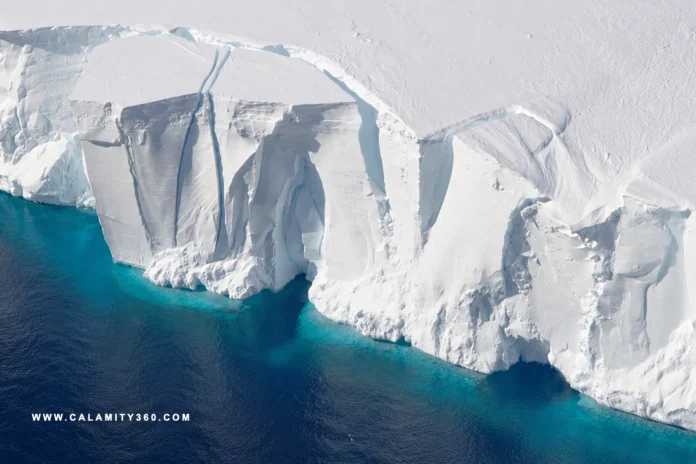

An Empty Antarctic Sea Now Alarms Scientists
Scientists now watch an unusually ice free Antarctic sea with growing concern this winter. Satellite imagery revealed massive missing sea ice across the Bellingshausen Sea near Antarctica. Researchers estimated the missing winter ice covers roughly six hundred fifty thousand square kilometers.
Meanwhile, scientists described current Antarctic sea ice conditions as deeply unusual and increasingly troubling. Large sections of the Bellingshausen Sea normally remain frozen throughout the harsh winter season. This year, however, satellite observations showed extensive open water across normally ice covered regions. Researchers fear present ocean conditions may permanently reduce substantial winter sea ice formation there.
Sea ice researcher Dr Will Hobbs monitored daily satellite imagery since April this year. He stated the Bellingshausen Sea contains unusually warm ocean conditions near vulnerable Antarctic regions. Scientists now worry warmer southern waters may prevent extensive winter sea ice recovery afterward.
Warm Ocean Currents Push Antarctic Ice Beyond Recovery
Consequently, scientists increasingly focus upon unusual ocean conditions surrounding vulnerable sections near West Antarctica. Researchers believe warmer southern waters now prevent substantial winter sea ice formation across regions. The Bellingshausen Sea especially displays unusual interactions between ocean currents and Antarctic climate systems.
Dr Will Hobbs described the Bellingshausen Sea as oceanographically unusual compared with neighboring regions. Warm ocean waters moving southward maintain especially close contact with vulnerable Antarctic coastlines nearby. Scientists believe these warmer waters contribute heavily toward persistent regional ice losses across Antarctica.
Additionally, researchers expect only limited winter sea ice formation throughout upcoming Antarctic seasonal cycles. Dr Hobbs predicted some sea ice may arrive later from surrounding Antarctic waters afterward. However, scientists increasingly doubt large scale winter ice recovery remains possible across affected regions. Current ocean conditions now appear fundamentally unfavorable for extensive long lasting winter sea ice.
Oceanographers also identified warmer water temperatures beneath Antarctic surface layers during recent scientific research efforts. Scientists especially examined waters between one hundred and three hundred meters beneath ocean surfaces. Researchers suspect these warmer subsurface temperatures strongly influence widespread Antarctic sea ice decline patterns.
Meanwhile, physical oceanographer Edward Doddridge stated continued sea ice loss no longer surprises researchers. Scientists now increasingly expect reduced Antarctic sea ice coverage within warming global climate conditions. Although uncertainties remain, researchers believe current Antarctic trends strongly align with climate change expectations.
Scientists Recall the Winter That Changed Everything
Meanwhile, many scientists still describe Antarctica’s 2023 winter sea ice collapse as historically shocking. Researchers recorded roughly one and one half million fewer square kilometers of winter ice. The dramatic decline immediately intensified concern surrounding long term Antarctic climate system stability.
Dr Will Hobbs stated the 2023 Antarctic winter season fundamentally changed sea ice research. Scientists previously observed extremely low sea ice during summer rather than harsh winter conditions. The unprecedented winter collapse therefore challenged previous expectations regarding Antarctic seasonal ice behavior afterward.
Additionally, researchers noted Antarctic sea ice patterns shifted unpredictably following the extraordinary 2023 collapse. Each subsequent year produced different outcomes instead of stable recovery across vulnerable Antarctic regions. Scientists now consider repeated low winter sea ice levels increasingly plausible throughout future decades. This possibility deeply concerns researchers because polar climate systems influence global environmental conditions extensively.
Scientists also acknowledged continued uncertainty surrounding exact causes behind Antarctica’s ongoing sea ice decline. Researchers remain careful before directly linking every observed change with specific ocean temperature shifts. They continue extensive scientific analysis before final confirmation regarding precise mechanisms behind regional ice losses.
Nevertheless, researchers emphasized current Antarctic conditions strongly resemble climate change projections from previous decades. Scientists believe warmer oceans likely contribute substantially toward widespread winter sea ice reductions across Antarctica. Although evidence remains incomplete, experts increasingly expect future winters with historically reduced Antarctic sea ice.
Vanishing Antarctic Ice Could Reshape Global Coastlines
Ultimately, declining Antarctic sea ice threatens far more than isolated polar environmental conditions today. Scientists warned continued ice loss could disrupt ecosystems and weaken protective barriers surrounding Antarctica. Researchers also expressed concern regarding broader planetary consequences connected with persistent long term climate warming.
Meanwhile, marine ecosystems across Antarctica already face growing pressure from declining sea ice coverage. Threatened penguin populations especially depend heavily upon stable sea ice throughout critical seasonal cycles. Scientists warned weaker sea ice protection may expose vulnerable Antarctic ice shelves toward accelerated collapse. Unlike floating sea ice, collapsing ice shelves directly contribute toward rising global sea levels afterward.
Accordingly, researchers believe current Antarctic conditions strongly reflect expectations within a warming planetary climate. Scientists continue careful investigation regarding exact mechanisms behind widespread winter sea ice decline patterns. However, experts increasingly agree present Antarctic changes align closely with long term climate change projections.

CALAMITY360.com delivers global news and safety insights on earthquakes, tsunamis, volcanic eruptions, floods, wildfires, storms, and tornadoes. It provides timely updates, expert tips, and disaster-readiness information to foster awareness, preparedness, and resilience across communities worldwide.