
Tempest Lines Redraw America’s Summer Landscape
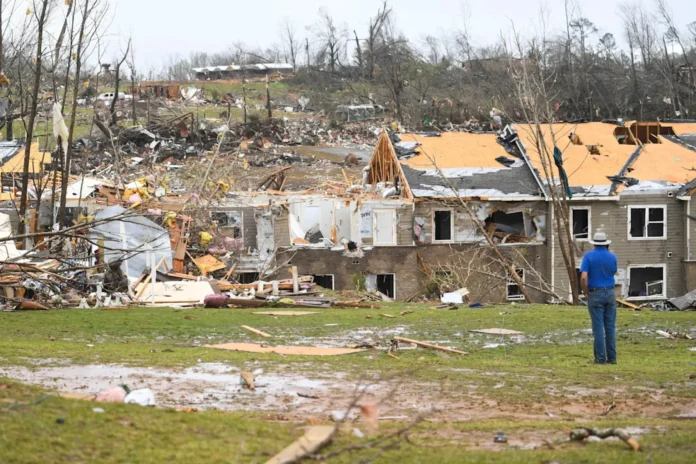
A destructive storm outbreak punished central American communities through nearly an entire exhausting week. Powerful tornadoes and violent winds destroyed homes, crippled infrastructure, and disrupted countless families. Meteorologists described the widespread outbreak among this year’s most relentless severe weather stretches. Meanwhile, dangerous atmospheric conditions pushed additional storm threats toward heavily populated eastern states.
Multiple tornadoes struck Midwest towns Thursday evening after earlier storms weakened surrounding communities. Emergency crews searched damaged neighborhoods while fallen trees blocked highways and residential streets. Thousands of residents lost electrical service after destructive winds battered regional transmission infrastructure.
Elsewhere, severe weather threats expanded eastward across crowded metropolitan corridors Friday afternoon. Forecasters warned major population centers about damaging winds, flash flooding, and tornado potential. Emergency agencies increased preparedness efforts as volatile atmospheric conditions threatened millions across several states.
Tornado Paths Leave Midwest Communities in Ruins
Subsequently, violent tornado outbreaks carved destructive paths across vulnerable Midwestern communities. Illinois and Indiana suffered catastrophic structural damage after powerful evening supercells intensified. Emergency officials rushed toward devastated neighborhoods while frightened residents searched collapsed properties. Meanwhile, severe weather alerts expanded across nearby states as additional tornadoes rapidly developed.
A falling tree killed a homeless man during severe Iowa morning storms. Police officers later investigated damaged encampments after dangerous winds shattered nearby branches. Residents throughout Des Moines faced blocked roads, power failures, and scattered structural debris.
Later, tornado emergencies terrified northern Illinois residents as rotating storms crossed populated communities. Drone footage revealed shattered houses and exposed interiors throughout heavily damaged Streator neighborhoods. Emergency responders rescued trapped residents beneath wreckage while neighbors cleared dangerous debris.
Furthermore, local hospitals treated injured residents after tornadoes ripped through several Illinois counties. Streator officials praised emergency crews whose rapid actions prevented additional weather fatalities. Residents described terrifying moments as violent winds stripped roofs from multiple family homes.
Elsewhere, Indiana communities endured widespread destruction after dangerous nighttime tornadoes crossed several counties. More than one hundred structures suffered damage throughout heavily impacted Lake County neighborhoods. Andrean High School sustained severe roof damage while officials suspended upcoming campus activities.
Additionally, Missouri and Iowa reported further tornado activity after destructive evening storms intensified. Solar fields, residential districts, and rural highways displayed extensive devastation after violent tornado strikes.
Violent Winds Push Fear Across the Eastern States
Thereafter, the destructive storm system advanced rapidly toward densely populated eastern metropolitan corridors. Forecasters warned millions about dangerous wind gusts, flash flooding, and isolated tornado threats. Major transportation systems experienced disruptions while emergency agencies prepared additional regional response measures. Residents across eastern states monitored worsening forecasts as unstable atmospheric conditions intensified Friday.
In Maryland, severe storms produced destructive winds that toppled numerous mature neighborhood trees. Two women died separately after falling trees struck them during dangerous nighttime weather. Officials reported wind gusts exceeding seventy miles hourly throughout heavily affected regional communities.
Meanwhile, emergency responders across Virginia confronted another deadly weather tragedy Friday evening. A large outdoor church tent collapsed after violent winds swept through Bedford County. One person died while medical teams transported several injured victims toward nearby hospitals.
Additionally, widespread power outages spread across eastern states after severe thunderstorms damaged transmission infrastructure. Utility crews worked overnight while thousands remained without electricity throughout affected residential neighborhoods. Emergency officials warned residents about hazardous road conditions caused by scattered fallen debris.
Elsewhere, transportation disruptions intensified after storms approached heavily populated northeastern metropolitan regions Friday. Airports near New York City and Philadelphia experienced delays following dangerous atmospheric instability. Commuters throughout Washington faced difficult travel conditions after storms damaged several regional roadways.
Consequently, meteorologists warned eastern residents about continued severe weather threats through upcoming weekend periods. Forecasters emphasized dangerous wind potential despite inconsistent storm development across vulnerable metropolitan areas. Residents prepared emergency supplies while officials monitored atmospheric conditions throughout densely populated eastern communities.
Nature Exposes New Weaknesses Across Modern America
Ultimately, the destructive storm outbreak exposed dangerous weaknesses throughout modern American infrastructure systems. Communities across multiple states struggled after violent weather disrupted electricity, transportation, and emergency access. Public officials faced mounting pressure while exhausted emergency crews responded across widespread disaster zones. Many residents questioned whether existing preparedness systems remain adequate against increasingly volatile atmospheric conditions.
Furthermore, repeated power outages revealed persistent vulnerabilities within heavily burdened regional electrical infrastructure networks. Utility providers faced enormous restoration challenges after severe winds damaged critical transmission equipment. Experts warned future storms could produce broader economic consequences across interconnected metropolitan and industrial regions.
Likewise, emergency response systems encountered difficult coordination challenges during simultaneous multistate weather disasters. Hospitals, rescue teams, and local governments managed overwhelming demands throughout severely affected communities. Public safety officials emphasized stronger preparedness strategies before additional severe weather outbreaks threaten vulnerable populations.
Consequently, destructive storms now create national consequences extending beyond immediate physical devastation alone. Climate instability concerns continue influencing conversations surrounding disaster readiness and long term infrastructure resilience.

CALAMITY360.com delivers global news and safety insights on earthquakes, tsunamis, volcanic eruptions, floods, wildfires, storms, and tornadoes. It provides timely updates, expert tips, and disaster-readiness information to foster awareness, preparedness, and resilience across communities worldwide.