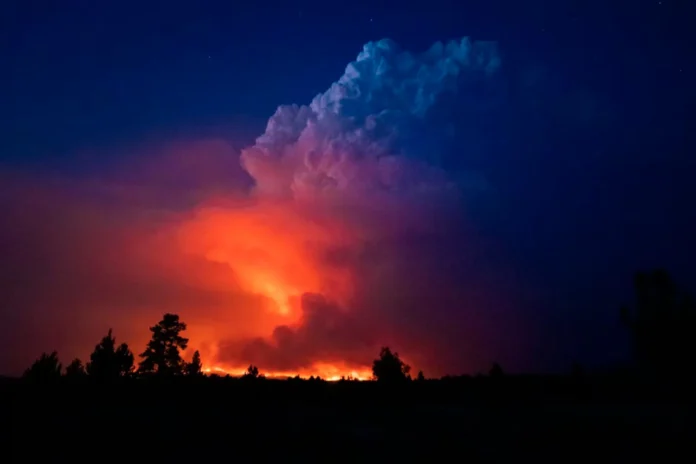

Dry Winds and Scorched Hills Raise Fresh Alarm
Dangerous heat and dry weather conditions now threaten western Oregon and Washington communities statewide. Fire officials across both states continue preparing crews before wildfire risks intensify this weekend. Dry vegetation, strong heat, and limited moisture have increased concern throughout vulnerable forest regions.
Meanwhile, the National Weather Service issued multiple alerts ahead of expected dangerous temperatures statewide. Officials announced an extreme heat warning affecting Portland, Clark County, and nearby communities. Forecast discussions additionally warned continuous hot weather could rapidly dry already vulnerable wildfire fuels. Meteorologists nevertheless stopped short of issuing Red Flag Warnings because fuel conditions remain uncertain.
Across Oregon, fire agencies responded quickly before extreme temperatures arrived throughout populated rural areas. The Oregon Department of Forestry officially declared this year’s wildfire season beginning June fifteenth. Officials explained historically low snowpack and unusually dry spring conditions accelerated dangerous wildfire risks.
Elsewhere, multiple agencies enacted burn bans throughout several Oregon counties before expected severe heat. Tualatin Valley Fire and Rescue announced restrictions covering portions of four counties afterward. Portland Fire and Rescue additionally prohibited campfires, fire pits, and agricultural debris burning.
By Friday afternoon, officials repeatedly urged residents toward heightened caution during upcoming extreme weather conditions. Authorities warned ordinary outdoor activities could easily ignite fires across rapidly drying grassy landscapes. Public concern continues rising because wildfire seasons now arrive earlier throughout increasingly vulnerable Northwestern regions.
Forecast Maps Reveal Dangerous Fire Weather Ahead
Following statewide burn bans, weather forecasters warned extreme heat would intensify wildfire threats rapidly. The National Weather Service issued alerts covering western Oregon and southern Washington population centers. Officials expect dangerously hot temperatures throughout the weekend and extending into early next week.
Meanwhile, an extreme heat warning remains active from Sunday morning through Tuesday night statewide. Forecasters identified Portland, Clark County, and western Columbia River Gorge among highest risk regions. Continuous heat exposure could rapidly dry vegetation despite lingering uncertainty involving fuel conditions afterward.
Across western Oregon, environmental conditions increasingly resemble patterns commonly associated with dangerous wildfire outbreaks. Officials cited historically low snowpack levels after unusually weak winter precipitation across mountain regions. Dry spring weather additionally reduced moisture levels throughout forests, grassy hillsides, and rural landscapes. Meteorologists warned prolonged heat could quickly transform vulnerable vegetation into highly combustible wildfire fuel.
Elsewhere, fire officials expressed concern regarding how rapidly vegetation conditions could worsen during heat exposure. Forecast discussions emphasized uncertainty because fuels have not fully cured across certain affected regions. Nevertheless, experts warned continuous hot weather could accelerate dangerous drying throughout vulnerable wildfire corridors.
At the Oregon Department of Forestry, officials linked several environmental factors toward heightened wildfire concern. Deputy Director Kyle Williams identified low snowpack and dry spring conditions among primary threats. He additionally warned prolonged heat exposure could significantly worsen already vulnerable wildfire conditions statewide.
By early next week, fire agencies expect heightened vigilance throughout forests and populated rural communities. Officials warned even small ignition sources could rapidly spread beneath hot and windy conditions. Emergency crews therefore continue preparing additional staffing, resources, and specialized firefighting equipment statewide.
Officials Urge Residents To Avoid Simple Deadly Mistakes
After dangerous weather forecasts emerged, fire officials intensified public safety warnings across Oregon afterward. Authorities urged residents toward greater caution because simple mistakes could rapidly ignite destructive wildfires. Dry vegetation and extreme heat now increase fire risks across vulnerable rural communities statewide.
Meanwhile, Oregon Department of Forestry officials warned against mowing tall dry grass during afternoons. Deputy Director Kyle Williams explained windy and hot conditions could easily trigger dangerous fires. Officials encouraged residents toward careful decision making before using outdoor equipment near dry vegetation. Agencies warned sparks from ordinary activities can rapidly spread beneath extreme wildfire conditions.
Across affected regions, fire officials highlighted several overlooked ignition sources capable of causing disasters. Authorities warned dragging vehicle chains across pavement could create dangerous roadside sparks unexpectedly. Power tools, cigarettes, and outdoor machinery additionally pose substantial wildfire threats during extreme summer heat.
Elsewhere, Oregon State Fire Marshal officials stressed how rapidly fires can spread statewide afterward. Chief Deputy Travis Medema warned dry fuels become increasingly receptive beneath prolonged hot weather conditions. He explained large thermal ridges create dangerous wildfire environments capable of supporting explosive fire growth.
By summer’s arrival, firefighting agencies continued strengthening crews, resources, and emergency response capabilities statewide. Officials expect this wildfire season could present substantial challenges throughout Oregon and neighboring Washington regions. Public cooperation therefore remains essential because preventable human actions frequently trigger catastrophic wildfires statewide.
Long Summer Risks Loom Across Dry Northwestern Forests
After repeated public warnings, wildfire concerns now extend far beyond this weekend’s dangerous heat. Oregon and Washington agencies continue confronting increasingly difficult wildfire seasons across vulnerable landscapes statewide. Hotter temperatures and prolonged dryness now place extraordinary pressure upon emergency response systems.
Meanwhile, firefighting agencies continue expanding staffing, equipment, and prevention strategies before peak summer conditions. Officials understand early season fire threats can quickly overwhelm resources during large wildfire outbreaks. Public cooperation therefore remains essential because many catastrophic fires originate from preventable human mistakes. Residents throughout vulnerable communities must carefully consider ordinary outdoor activities during dangerous weather conditions.
Across the Pacific Northwest, environmental vulnerability continues increasing beneath hotter and drier seasonal weather patterns. Fire officials expect additional heat waves could further intensify wildfire risks throughout already stressed forests. Consequently, wildfire preparedness now demands constant vigilance from agencies, residents, and surrounding communities statewide.

CALAMITY360.com delivers global news and safety insights on earthquakes, tsunamis, volcanic eruptions, floods, wildfires, storms, and tornadoes. It provides timely updates, expert tips, and disaster-readiness information to foster awareness, preparedness, and resilience across communities worldwide.