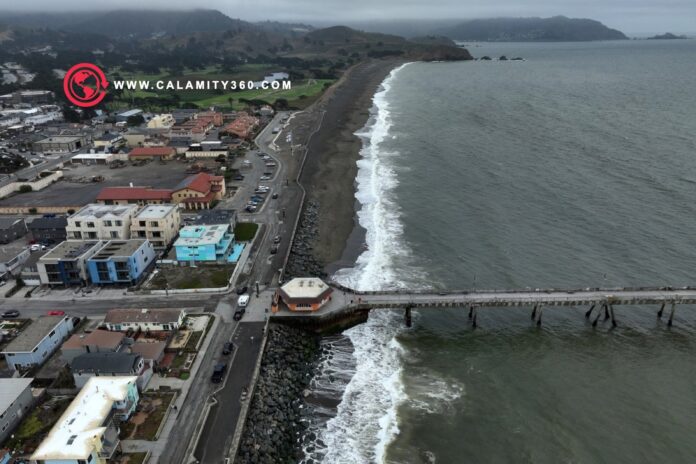

When the Waves Approach Faster Than Anyone Expects
Workers in coastal areas face unique dangers because tsunamis can arrive with almost no warning and immense force. Understanding these hazards is essential for preventing injuries and protecting lives during sudden emergencies. Preparation before any signs appear can make the difference between chaos and a safe evacuation.
Tsunami waves can travel at speeds exceeding one hundred miles per hour, leaving minimal time for reaction once detected. Employees must recognize that the environment can change drastically within minutes, requiring immediate action to avoid danger. Workplaces located near shores or low-lying areas must prioritize safety protocols and emergency planning. Awareness of local geography and elevation can help workers quickly identify the safest routes and assembly points.
Even minor tremors or unusual sea behavior should trigger alertness because early signs are not always obvious to untrained eyes. Teams should have clear communication plans in place so that every employee understands the urgency and next steps. Regular drills help reduce hesitation and ensure staff respond without confusion during a real tsunami event.
Employers have a responsibility to equip staff with knowledge, maps, and safety gear to enhance preparedness in high-risk zones. Personal responsibility is equally important, as employees must remain vigilant and proactive, even when conditions seem calm. Understanding that tsunamis are unpredictable emphasizes why every second counts when evacuating toward safety.
Preparedness is not limited to the workplace because reaching higher ground or designated shelters can save lives outside office premises. Workers who internalize these risks develop habits that ensure faster reactions, reducing exposure to the destructive force of waves. Constant awareness, training, and readiness create a culture of safety that can withstand sudden natural disasters.
1. Recognizing Early Warnings That Signal Impending Tsunami Danger
Workers must understand the variety of alerts used to indicate an approaching tsunami and act immediately upon noticing them. Natural signs such as sudden sea withdrawal or unusual animal behavior can serve as critical early warnings. Workplace alarms are designed to ensure that all personnel are informed simultaneously and know when to evacuate.
Tsunami warning systems often include sirens, text alerts, and public broadcasts that provide real-time information about potential threats. Employees should familiarize themselves with each type of alert to avoid confusion or delayed responses during emergencies. Recognizing the combination of natural and technological indicators can drastically improve reaction times and overall safety. Organizations should conduct regular training to ensure staff know how to interpret each signal effectively.
Even small tremors or minor sea disturbances should not be ignored because they might precede larger, destructive waves. Teams need to understand that early recognition of warning signs can prevent injuries and save multiple lives. A proactive mindset ensures that workers do not wait for confirmation before beginning evacuation procedures. Supervisors should reinforce the importance of immediate action and discourage hesitation in all tsunami-prone workplaces.
Regular drills incorporating alerts and natural warning signs help employees internalize responses and reduce panic during real events. Visual cues, auditory alarms, and verbal instructions must be practiced together to ensure seamless coordination under pressure. Training employees to trust their instincts and signals fosters faster, safer evacuations when minutes can make a critical difference. Each team member must understand their role and responsibilities to maintain order and efficiency during evacuations.
Employers should provide visual maps highlighting escape routes, safe zones, and muster points clearly visible to all staff. Identifying high-ground areas and evacuation pathways in advance ensures workers can move quickly without confusion or bottlenecks. Preparing for sudden changes in environmental conditions requires constant vigilance and familiarity with the workplace layout. Incorporating hazard recognition into daily routines helps employees respond automatically when a tsunami threat arises.
Employees should monitor real-time data from local tsunami monitoring agencies and heed warnings even if the sky appears calm. Relying solely on visual or personal observation can be dangerous because tsunamis can arrive faster than expected. Continuous communication with nearby teams allows for rapid dissemination of information, especially in large or multi-floor facilities. Using multiple sources of warning enhances situational awareness and improves the likelihood of safe evacuation.
Even after an initial warning, workers must remain alert because tsunamis often arrive in multiple waves with varying intensity. Early responders should verify that everyone is evacuating correctly while maintaining personal safety and encouraging adherence to protocols. Delayed recognition of subsequent waves can lead to serious injuries if individuals prematurely return to unsafe areas. Supervisors should emphasize that evacuation is complete only when all personnel reach designated safe zones.
By understanding, recognizing, and acting on early tsunami warnings, workers can significantly reduce risk and improve survival rates. Awareness of natural indicators, alarms, and communication protocols is essential for rapid, coordinated responses during sudden emergencies. Integrating these practices into workplace culture strengthens overall preparedness and empowers employees to act decisively under pressure.
2. Mapping Safe Zones Within and Around the Workplace Premises
Workers should identify elevated areas both inside and outside the workplace that provide protection from incoming tsunami waves. Reinforced structures designed to withstand flooding serve as critical refuge points for employees during emergencies. Knowing the exact locations of these safe zones allows for faster, more organized evacuations with minimal confusion.
Designated muster points should be clearly marked and regularly maintained to ensure accessibility under hazardous conditions. Teams need to practice moving quickly to these areas during drills so everyone understands the safest paths. Accessibility for all employees, including those with mobility challenges, must be considered when selecting and mapping safe zones. Clear signage and visible markers help guide workers under stressful or low-visibility situations, improving overall safety.
Outdoor safe zones should prioritize natural high ground or elevated platforms away from the coastline or water channels. Indoor areas should be on upper floors or reinforced rooms built to resist water and structural damage. Employees should be aware of multiple evacuation options in case primary routes are blocked or unsafe. Each route should be tested periodically to verify that no obstacles impede quick access to safety.
Mapping should include alternative pathways for large workplaces or multi-building sites to prevent bottlenecks during evacuations. Workers must memorize both primary and secondary routes to ensure rapid movement even if conditions change unexpectedly. Supervisors should assign team leaders responsible for confirming that employees reach safe zones promptly and efficiently. Communication systems must remain functional during emergencies to provide guidance and updates as workers navigate toward safety.
Safe zones should be identified not only for immediate evacuation but also as temporary refuge points until official all-clear signals are issued. Employees should avoid areas prone to flooding, landslides, or structural instability even if they appear higher or seemingly secure. Plans must account for sudden environmental changes, including debris, strong currents, or aftershocks that could affect accessibility. Training programs should incorporate scenario-based exercises simulating realistic obstacles to reinforce quick, safe navigation to designated areas.
Each employee should know the capacity limits of indoor safe zones to prevent overcrowding and potential injuries. Supervisors should coordinate staff distribution among multiple zones to maintain organization and prevent panic during high-pressure situations. Safety maps and route instructions should be posted prominently and updated whenever structural or environmental changes occur. Familiarity with both familiar and alternative zones strengthens confidence and reduces hesitation during actual emergencies.
During drills, workers should practice moving to safe zones under varied conditions including limited visibility or noisy environments. Realistic practice reinforces muscle memory and ensures that individuals can respond quickly even when disoriented or stressed. Teams should review performance after each drill to identify obstacles and optimize evacuation pathways. Continuous evaluation and adaptation of safe zone planning enhance preparedness and overall workplace resilience.
Integrating safe zone mapping into daily workplace awareness creates a culture of proactive safety that minimizes risk during a tsunami. Workers who consistently know where to go and how to get there can act decisively when warnings occur. Ensuring all staff understand the importance of these zones empowers them to take responsibility for their safety. Clear, practiced evacuation strategies maximize survival chances and help maintain calm and order throughout the workforce.
3. Quick Evacuation Plans That Prevent Panic and Confusion
Clear evacuation plans help workers move quickly without hesitation when tsunami warnings or alarms are activated. Employees must be familiar with designated routes and safe zones to minimize risks during emergencies. Regularly practicing these routes ensures that staff can act instinctively under pressure and avoid dangerous delays.
Assigning specific roles and responsibilities to team leaders increases accountability and keeps evacuations organized. Leaders guide colleagues, check attendance, and ensure no one is left behind while maintaining calm throughout the process. Communication protocols must be well-understood so updates and instructions reach all staff members efficiently. Having multiple points of contact ensures that even if one system fails, workers receive critical guidance.
Evacuation routes should be clearly marked, obstacle-free, and easy to follow even in low visibility or chaotic conditions. Routes must accommodate all employees, including those with mobility challenges, to prevent bottlenecks or injuries during hurried movement. Periodic inspections of paths and exits help identify hazards that could impede quick passage. Signs and lighting should remain operational during power outages or adverse weather to maintain visibility and safety.
Drills should simulate realistic conditions, including sudden alerts, blocked pathways, or environmental distractions, to test readiness. Workers should practice moving calmly but quickly while following their assigned roles and responsibilities. Reviewing each drill helps identify weaknesses in planning, allowing adjustments for smoother, faster evacuations. Practicing under varied scenarios strengthens confidence, reduces panic, and ensures that everyone knows how to respond instinctively.
Communication during evacuations is critical to prevent confusion and maintain order while moving toward safe zones. Using radios, alarms, or prearranged signals ensures that messages are received promptly even in noisy or chaotic conditions. Supervisors must confirm that all employees are accounted for and safely following the planned routes. Clear, concise instructions reduce uncertainty, prevent backtracking, and keep movement coordinated throughout the workplace.
Contingency plans for alternative routes are essential if primary pathways are blocked by debris or flooding. Workers should memorize secondary paths and understand how to access them quickly under emergency conditions. Team leaders must decide rapidly which route is safest while keeping everyone informed. Adaptability combined with prior training increases the likelihood of safe, orderly evacuation.
Evacuation planning should include timing considerations to prevent overcrowding at exits and reduce stress among employees. Staggered departures or phased movement may be necessary in large workplaces or multi-level buildings. Employees must know when to start moving and avoid waiting until conditions worsen. Efficient timing ensures that everyone reaches designated safe zones without unnecessary risk or delay.
Continuous training and updates are necessary to maintain preparedness and improve response efficiency over time. Workers who consistently practice evacuation procedures are more likely to remain calm and follow instructions correctly. Feedback from drills should be incorporated into updated plans for maximum safety. Maintaining a culture of readiness ensures that every employee can evacuate quickly and confidently during tsunami threats.
4. Communicating Clearly With Colleagues and Supervisors Under Stress
Effective communication during a tsunami emergency is critical to ensure all workers remain informed and act appropriately. Workers should be trained to use radios, phones, or signal systems to relay urgent information quickly. Clear, concise messages help reduce confusion and keep everyone focused on safe evacuation procedures.
Teams must establish prearranged signals or codes that can be understood even amid loud alarms or panic. These signals allow workers to convey location, hazards, or assistance needs without relying solely on verbal communication. Consistent practice ensures that everyone recognizes the signals and responds correctly during high-stress situations.
Supervisors should maintain visual contact with team members whenever possible to monitor movement and ensure compliance with evacuation plans. They must be prepared to issue instructions clearly, repeating messages if necessary to avoid misunderstandings. Having multiple channels of communication prevents critical information from being lost during emergencies.
Group check-ins at designated points along evacuation routes help verify that all personnel are accounted for and safe. Assigning team leaders to small groups ensures that each worker receives guidance and support during rapid movement. Leaders can report back to supervisors, allowing real-time adjustments and coordination across the workplace.
Written or digital communication can supplement verbal instructions, providing maps, updated alerts, or additional guidance as the situation evolves. Employees should know how to access these resources quickly and interpret the information under pressure. Using multiple formats reduces reliance on any single method, increasing the likelihood that critical instructions are received.
Communication protocols must include contingency plans if technology fails, such as hand signals or audible alerts. Workers should be familiar with these backup methods to maintain coordination even during equipment outages. Drills should incorporate failures to test resilience and ensure teams can adapt to unexpected challenges effectively.
Encouraging calm, respectful communication helps prevent panic, misinterpretation, or rushed decisions that could endanger personnel. Supervisors should model clear and controlled communication, demonstrating how to convey urgency without creating chaos. Workers who remain composed are better able to process information and follow instructions accurately.
Regular reviews and updates of communication plans strengthen workplace readiness and improve response efficiency over time. Feedback from drills or real events should be incorporated to enhance clarity and reliability. Maintaining strong communication networks ensures that everyone knows how to stay connected and safe during a tsunami emergency.
5. Equipping Emergency Kits for Workplace Tsunami Safety
Workplace emergency kits are essential for ensuring employees have immediate access to supplies during a tsunami. Kits should include clean drinking water sufficient for at least seventy-two hours. Non-perishable food items such as energy bars or canned goods are critical for sustaining energy during prolonged emergencies.
First aid supplies must be comprehensive, including bandages, antiseptics, pain relievers, and materials for treating minor injuries. Protective gear such as helmets, gloves, and waterproof clothing helps shield workers from debris and water hazards. Flashlights and extra batteries are essential for navigating darkened areas when power may be unavailable.
Communication tools should be included in every kit, such as whistles, battery-powered radios, or pre-charged mobile power banks. These items help maintain contact with emergency services and coordinate with colleagues during evacuation. Workers should be trained on using each item efficiently to prevent delays during critical moments.
Emergency kits must also contain personal hygiene items, including sanitary wipes, masks, and hand sanitizer to reduce infection risk. Blankets or emergency thermal sheets provide warmth if employees are stranded in wet or cold conditions. Storing kits in easily accessible locations encourages rapid retrieval when alarms sound.
Specialized items like rope, waterproof containers for important documents, and basic tools can enhance survival and recovery efforts. Employees should be familiar with kit contents and practice using them in periodic drills. Clear labeling ensures that items are easy to locate and reduces confusion during stressful situations.
Workplace kits should be regularly inspected and replenished to replace expired food, batteries, or damaged supplies. Assigning responsibility to specific staff ensures accountability and consistency in maintaining readiness. This proactive approach reduces the likelihood of shortages or unusable equipment during actual emergencies.
Personal protective equipment and emergency kits must be tailored to the workplace environment, hazards, and employee needs. Coastal facilities may require flotation devices or water-resistant bags to safeguard supplies from flooding. Adaptation ensures that kits remain practical and effective regardless of changing circumstances.
Training employees to use emergency kits alongside evacuation procedures strengthens preparedness and boosts confidence. Practice ensures that workers can act quickly, minimizing panic and errors during real tsunami events. Integrating kit use into drills creates a culture of readiness and reinforces the importance of safety.
6. Assisting Vulnerable Colleagues During Urgent Evacuations
During a tsunami, some employees may require additional support due to age, mobility, or unfamiliarity with procedures. Identifying these colleagues in advance allows teams to assign helpers and plan for swift assistance. Ensuring no one is left behind is a fundamental responsibility during workplace emergencies.
Assigning evacuation buddies can help maintain accountability and provide continuous support for those needing extra help. Teams should practice moving together through designated routes to reinforce efficiency and coordination under stress. Communication among helpers ensures that all employees reach safe zones without delays or confusion.
Specialized equipment, such as wheelchairs, stretchers, or evacuation chairs, can be critical for assisting disabled or injured staff. These tools should be readily accessible and workers trained in their proper use during drills. Planning for multiple scenarios prevents bottlenecks and ensures rapid, safe movement throughout the facility.
Emergency roles must be clearly defined so that helpers know who to assist and how to act. Assigning team leaders to oversee vulnerable employees improves situational awareness and response efficiency. Continuous headcounts during evacuation reduce the risk of missing anyone during chaotic conditions. Teams should rehearse alternative paths in case primary routes are blocked by debris or flooding.
Encouraging peer support and calm communication helps reduce panic among anxious or untrained colleagues. Maintaining eye contact, giving verbal instructions, and offering physical guidance improves confidence during hurried evacuations. Teamwork ensures that even those unfamiliar with the workplace environment can navigate safely to high ground.
Workplace drills should simulate real conditions, including assisting slower or disabled employees, to identify gaps in procedures. Feedback from these exercises allows managers to refine plans and provide additional training where necessary. Repeated practice ensures helpers respond effectively without hesitation when a real tsunami occurs.
Time management is critical, and prioritizing vulnerable individuals ensures that everyone reaches safety before waves arrive. Helpers should carry essential supplies like emergency kits or flotation devices for those unable to move quickly. Rapid, organized evacuation minimizes injuries and prevents additional hazards caused by rushing or crowding.
Fostering a culture of care and awareness strengthens preparedness and encourages proactive assistance among all staff members. Continuous education on tsunami risks and support strategies builds confidence and resilience within the workforce. Teams that prioritize helping vulnerable colleagues significantly improve overall safety during life-threatening emergencies.
7. Practicing Drills and Simulations to Build Confidence and Speed
Regular tsunami drills help employees internalize procedures, reducing hesitation and confusion during actual emergencies. Role-playing different scenarios allows staff to experience realistic challenges and prepare for unexpected obstacles. Consistent practice ensures that workers respond swiftly and correctly when alarms signal imminent danger.
Simulations should include both primary and alternate evacuation routes to familiarize employees with all possible paths to safety. Staff must rehearse using emergency equipment, assisting colleagues, and maintaining communication under stressful conditions. Repeated exercises build muscle memory and reduce the likelihood of panic when real threats occur. Teams that train together improve coordination and trust, essential for effective emergency response.
Scenario variations, such as blocked pathways or equipment malfunctions, test adaptability and decision-making under pressure. Observers can provide constructive feedback, highlighting areas for improvement and reinforcing successful strategies. Adjusting plans based on these exercises ensures procedures remain practical and effective in real situations. Staff should practice maintaining calm, clear communication while navigating crowded or hazardous environments.
Including vulnerable employees in drills emphasizes inclusive preparedness and ensures helpers can support everyone efficiently. Timing each evacuation run can help identify bottlenecks and areas where workflow may slow. Incorporating realistic conditions, such as limited lighting or simulated debris, enhances readiness for actual emergencies. Frequent training fosters confidence, so employees act decisively without waiting for instructions from supervisors.
Workers should rotate roles during drills, experiencing both leading and following positions for well-rounded preparedness. Understanding multiple responsibilities ensures continuity even if key personnel are unavailable during a real tsunami. Practice improves situational awareness, helping staff anticipate hazards and adjust quickly to changing circumstances. Teams become familiar with emergency kit locations and essential supplies, reducing delays during evacuation.
Debriefing after each drill is crucial to reinforce lessons learned and correct unsafe behaviors. Reviewing performance collectively encourages shared responsibility and helps identify any overlooked safety concerns. Staff should be reminded of the importance of personal safety alongside helping others during rapid evacuations. Constructive feedback strengthens overall readiness and promotes a culture of vigilance and accountability.
Regular drills also build psychological resilience, reducing fear and stress when real threats occur. Employees gain confidence in their ability to react appropriately and protect themselves and their colleagues. Repeated exposure to controlled emergency situations improves memory retention of critical procedures. This practice ultimately increases survival chances and minimizes chaos during actual tsunami events.
Integrating drills into the workplace schedule ensures continuous improvement and keeps tsunami preparedness a top priority. Staff should be encouraged to suggest improvements based on experience, fostering engagement and innovation. Maintaining a routine of realistic practice ensures that employees remain ready to act immediately and efficiently in any emergency.
8. Integrating Tsunami Awareness Into Daily Workplace Culture
Employees should be reminded regularly to observe their surroundings and recognize early signs of potential tsunami threats. Encouraging vigilance even during calm periods helps maintain preparedness as a routine part of daily work. Awareness training can be incorporated into morning briefings or safety reminders to reinforce proactive behavior.
Workplace culture should reward proactive safety measures, such as reporting hazards or suggesting improvements to evacuation plans. Staff should be encouraged to check emergency kits, exits, and communication tools routinely to ensure readiness. Reinforcing these habits keeps tsunami awareness present in employees’ minds without causing unnecessary alarm. Teams that practice consistent vigilance are more likely to respond effectively when real dangers arise.
Safety protocols should be visible throughout the workplace, including signs, maps, and reminders of safe zones. Visual cues serve as constant prompts for employees to remember evacuation procedures and maintain awareness. Managers can lead by example, demonstrating adherence to protocols and emphasizing their importance in everyday operations. Continuous reinforcement ensures preparedness becomes second nature rather than a reactive measure during emergencies.
Incorporating short drills, discussions, or quizzes into daily routines keeps employees mentally engaged with safety concepts. These activities can focus on identifying risks, communicating hazards, or recalling correct evacuation procedures. Staff participation in these exercises promotes ownership and responsibility for personal and collective safety. Over time, these small actions contribute to a strong, safety-conscious workplace environment.
Team leaders should encourage employees to share personal experiences or concerns related to tsunami risks. Open communication helps identify gaps in knowledge or potential vulnerabilities within the workplace. Employees can offer insights into improving emergency kits, evacuation routes, or alert systems. Collaborative problem-solving strengthens trust and ensures safety measures are practical and effective for everyone.
Regular reviews of local tsunami alerts and environmental conditions should be integrated into workplace discussions. Employees should be aware of recent warnings, historical events, and potential triggers that could signal danger. This knowledge helps staff remain informed and reinforces the importance of daily vigilance. Understanding context improves decision-making and reinforces the need for constant preparedness.
Encouraging employees to practice personal safety habits, such as keeping emergency kits ready and knowing exit locations, reinforces workplace readiness. Habitual preparation ensures individuals can act independently if immediate guidance is unavailable. Staff should be reminded that safety is a personal responsibility as well as a collective one. Consistent practice reduces reaction time and increases overall confidence during an emergency.
Embedding tsunami awareness into workplace culture ultimately transforms preparedness from an occasional activity into a continuous mindset. Employees become naturally alert, responsive, and ready to protect themselves and others without prompting. Over time, vigilance and proactive behavior create a safer, more resilient workplace for all personnel.
Taking Action and Making Safety a Habit Beyond Work Hours
Employees should carry the lessons learned at work into their homes and local communities to remain vigilant. Understanding that tsunami risks do not stop at the workplace encourages continuous awareness and preparedness in daily life. Families can benefit when workers share knowledge about evacuation plans and emergency supplies, strengthening community safety.
Regularly checking local tsunami alerts, weather updates, and natural warning signs ensures individuals remain informed outside work hours. Employees can practice home evacuation drills, identify safe zones, and keep emergency kits ready for unexpected events. Maintaining these routines develops confidence and reduces panic during real emergencies, improving outcomes for everyone involved. Awareness extended into neighborhoods creates a network of prepared individuals who can support each other when danger arises.
Encouraging family and friends to participate in safety exercises reinforces good habits and spreads knowledge of critical procedures. Sharing experiences from workplace drills can illustrate practical steps for evacuation and survival during a tsunami. Continuous practice at home ensures that employees are capable of reacting quickly and calmly under stress. Safety becomes a shared responsibility, benefiting both employees and the broader community surrounding them.
Personal readiness includes maintaining essential items such as water, first aid kits, and flashlights, and knowing multiple exit routes. Employees should also identify nearby shelters or high ground locations to ensure swift action if warnings occur. Developing these habits ensures preparedness becomes instinctive rather than reactive, reducing the risk of injury or confusion. A proactive approach at home complements workplace training, creating a seamless culture of safety awareness.
Integrating tsunami preparedness into everyday routines strengthens resilience and fosters a proactive mindset in all environments. Employees who remain alert, practice drills, and update emergency plans contribute to safer workplaces and safer communities. By making safety habitual, individuals and families are better equipped to protect themselves and others when danger strikes. This ongoing commitment ensures readiness is never confined to working hours but becomes a lifelong practice.

CALAMITY360.com delivers global news and safety insights on earthquakes, tsunamis, volcanic eruptions, floods, wildfires, storms, and tornadoes. It provides timely updates, expert tips, and disaster-readiness information to foster awareness, preparedness, and resilience across communities worldwide.