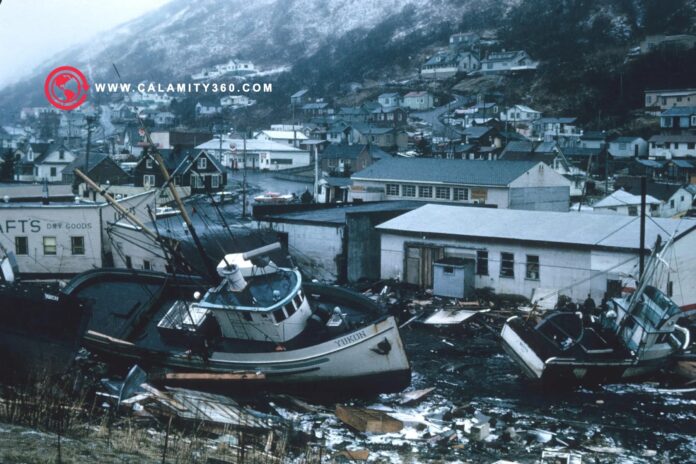

When the Ocean First Shows Signs of Impending Danger
Tsunamis can form rapidly after undersea earthquakes, volcanic eruptions, or landslides, posing immediate threats to coastal communities. Observing unusual ocean behavior early can provide crucial time to evacuate and minimize casualties. The first signs of a tsunami often appear as a sudden, unusual receding of the shoreline.
Water levels may drop dramatically or pull back, exposing normally submerged areas that suggest an approaching wave. Listening for low, rumbling sounds from the ocean can also indicate underwater disturbances that create tsunamis. These early signals should trigger immediate attention, prompting residents to move toward higher ground without delay.
Ignoring initial warnings can drastically reduce survival chances, as tsunamis travel faster than most people anticipate. Coastal populations must recognize abnormal water movement, strange sounds, or minor tremors as signals of imminent danger. Communities with preparedness plans tend to respond more effectively to these early cues. Being aware of natural warning signs significantly improves evacuation efficiency and safety outcomes.
Preparedness includes knowing local evacuation routes, maintaining emergency supplies, and educating family members on response steps. Rapid response is critical because a tsunami can reach populated areas within minutes, leaving little room for error. Staying alert to ocean changes and acting without hesitation can save multiple lives. Emergency drills and clear communication reinforce these protective behaviors during real events.
Even small tremors or unusual wave patterns should never be dismissed, as they may precede larger destructive waves. Monitoring official alerts alongside natural signs ensures comprehensive situational awareness, increasing survival odds during sudden events. Immediate recognition and response remain the most reliable strategies against the destructive power of tsunamis.
1. Waiting Too Long After Receiving a Tsunami Warning
Hesitation after receiving a tsunami warning can dramatically reduce survival chances for individuals in coastal areas. Some people underestimate the severity of alerts, thinking the risk is minimal or that evacuation can wait. Every minute of delay increases exposure to fast-moving waves capable of causing catastrophic damage.
Ignoring official instructions may seem harmless initially, but tsunamis can reach shorelines within minutes after an undersea earthquake. People who delay often face blocked roads, crowded evacuation routes, and increased panic, complicating escape efforts. Evacuation should begin as soon as alerts are issued, without debating or second-guessing the instructions.
Even partial adherence to warnings is risky, as tsunamis vary in speed, height, and impact along different coastal points. Families should prepare a clear plan, know the fastest routes to high ground, and leave immediately upon notification. Waiting to see the wave approach often results in tragic outcomes that could have been prevented.
Some individuals hesitate because of disbelief, wanting more confirmation before acting, which is extremely dangerous during emergencies. Authorities base warnings on seismic data and expert analysis, meaning official alerts should always be treated as urgent. Trusting the warning and responding quickly significantly increases chances of survival for everyone involved.
Training and repeated drills help reduce hesitation by creating instinctive responses to warnings, ensuring families act immediately. Community programs can reinforce the importance of rapid response and minimize confusion during high-stress evacuation scenarios. Remaining calm but decisive is essential to navigate evacuations successfully without unnecessary delays.
Preparedness involves pre-packed emergency kits, knowledge of multiple evacuation routes, and communication plans for all household members. Hesitation can also prevent vulnerable individuals, such as children or elderly, from reaching safety in time. Practicing rapid departure ensures everyone understands the importance of prompt action without debate or procrastination.
Waiting too long exposes people to stronger currents, debris-filled waters, and collapsing infrastructure, increasing injury risks. Past events have shown that delays during initial warnings consistently result in higher casualty numbers along affected coastlines. Immediate response to alerts transforms a high-risk situation into a survivable one with far fewer dangers.
Even those familiar with tsunamis can fall into the trap of delayed action, thinking they can judge timing. Constant reinforcement of urgency helps individuals internalize the importance of leaving immediately when warnings are issued. Complacency or hesitation is one of the deadliest mistakes during any tsunami emergency scenario.
Acting immediately on warnings not only protects personal safety but also ensures orderly evacuation for neighbors and community members. Recognizing the real consequences of delay motivates faster decision-making and reduces chaos during critical evacuation periods. Rapid adherence to alerts remains the most effective way to survive tsunami threats safely.
2. Choosing Unsafe Evacuation Routes in a Panic
Panic often drives people to take familiar routes without considering current tsunami hazards, increasing the risk of being caught in rising waters. Congested roads, fallen debris, and unexpected flooding can turn commonly used paths into dangerous traps. Pre-planned evacuation routes help reduce confusion and ensure safer passage to higher ground.
Many individuals ignore alternative paths, assuming a single route will suffice, which can be disastrous if it becomes blocked. Families should identify multiple exits from homes, neighborhoods, and communities to avoid dead ends or obstructed roads. Evaluating each route’s elevation, distance, and potential obstacles ensures faster, safer evacuation under pressure.
Crowds on main roads often lead to traffic jams, delaying entire communities from reaching safety in time. Taking smaller streets, trails, or designated emergency paths can significantly reduce travel time during urgent evacuations. Knowing these alternatives in advance prevents last-minute decisions that can be fatal when waves approach.
Some evacuees follow others blindly, trusting that the majority chooses the safest path, which is not always accurate. Herd behavior can lead people into flooded areas, collapsed bridges, or debris-strewn streets, creating unnecessary danger. Independent knowledge of safe routes and secondary options improves decision-making and survival odds during chaotic situations.
Pre-mapping routes allows families to practice evacuations, reinforcing familiarity with safe paths and exit points. This preparation helps reduce stress, allowing quicker, more confident decisions when alarms sound or waves are imminent. Emergency drills should incorporate obstacles or route changes to simulate real-life conditions for all household members.
Avoiding low-lying areas, riverbanks, and coastal roads during evacuation is critical, as these zones are most vulnerable to tsunami impact. High ground, inland streets, and well-marked evacuation routes provide the safest options for reaching secure locations. Evaluating the terrain before moving reduces exposure to sudden water surges or debris-laden currents.
Technology, such as GPS and mobile alerts, can help identify blocked or hazardous routes in real-time. Monitoring official updates and adjusting paths accordingly increases safety, especially when primary roads become congested or impassable. Planning for contingencies ensures families can still evacuate even if their main route fails.
Children, elderly, and those with mobility challenges require special attention when selecting routes, as they move slower and need accessible paths. Pre-arranged plans with safe meeting points and transport options make evacuations smoother for vulnerable individuals. Considering everyone’s capabilities prevents unnecessary delays and ensures the group reaches safety efficiently.
Remaining calm and following planned routes reduces chaos and enhances survival chances for everyone involved in the evacuation. Panic-driven decisions often lead to accidents, injuries, or being trapped in dangerous zones, amplifying risks. Consistent practice, awareness, and route knowledge transform potentially deadly scenarios into manageable emergencies.
3. Underestimating the Power of the First Waves
Many people wrongly assume the initial tsunami waves are weak, leading to dangerous delays in evacuation. These first surges can already carry debris, strong currents, and cause flooding near the coast. Treating the first wave as harmless often results in exposure to deadly water forces.
Communities sometimes return to the shoreline after the initial wave, believing the danger has passed, which is extremely risky. Tsunamis typically arrive in multiple waves, with later surges often larger and more destructive than the first. Waiting or hesitating between waves increases the likelihood of injuries, drowning, and property loss.
Observing local alerts and official instructions is critical, as authorities emphasize the need to remain in high ground areas. Even if the first wave seems small, rapid movement to safe zones is essential for survival. Misjudging wave intensity can compromise evacuation timelines and prevent safe relocation to inland or elevated locations.
Misconceptions about calm waters can lead individuals to underestimate hazards, ignoring natural warning signs like receding shorelines or unusual water movement. This false sense of security can result in people being caught unprepared when subsequent waves arrive. Educating the public about the multi-wave nature of tsunamis reinforces the urgency of continuous vigilance.
Emergency response plans must stress that initial waves are not safe indicators and should be treated as imminent threats. Practicing evacuations, monitoring water levels, and following alerts ensures quick reaction, even when the first wave seems deceptively mild. Consistently emphasizing that every wave carries risk enhances community awareness and reduces complacency.
Individuals should avoid returning to coastal areas until authorities confirm it is safe, regardless of perceived wave strength. Observing the first wave as a warning rather than a signal to relax saves lives and prevents injuries. Clear communication of this principle is crucial for effective disaster preparedness and response.
Historical events show that initial waves often cause serious damage and loss of life if people underestimate their force. Survivors who acted immediately during the first wave consistently report higher safety and lower exposure to debris or currents. Case studies highlight that treating all waves seriously can drastically improve survival outcomes.
Families and communities should create plans that assume every wave could be dangerous, preparing for rapid, repeated evacuations. Stocking essentials and having predetermined meeting points allow efficient movement even if multiple waves hit in succession. This approach prevents delayed responses caused by underestimating the initial surge.
Awareness campaigns, drills, and education should reinforce the reality that the first tsunami wave is rarely the last or weakest. Constant vigilance and immediate action are essential to avoid catastrophic consequences from misjudged wave behavior. Recognizing the first wave as a signal to act transforms survival odds and saves lives.
4. Carrying Excess Belongings That Slow Evacuation Speed
Many people instinctively try to grab valuables during a tsunami warning, which dangerously slows their movement to safety. Every extra item adds weight and hinders speed, increasing the risk of being overtaken by incoming waves. Prioritizing essential items like identification, medications, and emergency supplies improves evacuation efficiency and survival chances.
Attempts to rescue sentimental possessions often lead to hesitation, splitting focus between safety and belongings, which can be fatal. Evacuations require clear, decisive action without distractions, ensuring all family members reach high ground promptly. Carrying less allows quicker navigation through crowded routes or debris-strewn paths.
Even small items can accumulate, causing fatigue and delays that reduce the time available to reach safe zones. Studies of past tsunamis show that victims slowed by possessions face higher rates of injury and drowning. Minimalism during emergencies is not just practical but a life-saving mindset for disaster preparedness.
Families should pre-pack essential go-bags with only the most critical supplies, avoiding unnecessary items that could slow movement. These bags should be accessible and ready, eliminating last-minute delays caused by searching or packing extra belongings. Planning ahead ensures speed and reduces panic when evacuation becomes urgent.
Emergency responders advise leaving non-essential possessions behind, focusing on life preservation instead of material loss during a crisis. Vehicles overloaded with items can become stuck or slow, compounding danger when time is critical. Safe evacuation relies on moving swiftly and efficiently without encumbrances.
Psychologically, letting go of valuables during an emergency can be challenging but must take priority over property. Recognizing that lives outweigh possessions helps families make rational decisions under high-stress conditions. This mindset prevents tragic delays that could cost lives.
Children and vulnerable individuals should carry only necessary items, allowing guardians to maintain speed and control during evacuations. Excess baggage complicates coordination, especially when moving through unfamiliar terrain or crowded evacuation points. Minimizing carried items ensures everyone can respond quickly and safely.
Training exercises can reinforce the habit of grabbing only essentials, reducing the instinct to collect unnecessary belongings. Practicing this approach improves muscle memory and reduces panic-driven mistakes when real warnings occur. Families who rehearse tend to evacuate faster and more safely.
Ultimately, embracing minimalism in emergency preparedness transforms evacuation from a stressful scramble into an organized, efficient, and life-preserving action. Prioritizing people over possessions ensures that critical time is not lost when seconds matter most. Safety depends on speed, not on saving material items.
5. Ignoring Local Authorities and Community Guidance
Following official instructions during a tsunami warning is essential, as authorities base advice on real-time data and expert analysis. Disregarding these directives can put individuals and families in immediate danger, especially when conditions worsen rapidly. Community guidance often provides evacuation routes and safe zones that are otherwise unknown to outsiders or unprepared residents.
Some people attempt to make independent decisions, believing they know safer paths or better shelters, which can lead to fatal errors. Local leaders coordinate resources, warn of hazards, and communicate changing conditions, making their guidance crucial during emergencies. Ignoring this information increases the risk of being trapped, injured, or separated from loved ones.
Authorities issue alerts based on tide, wave forecasts, and seismic activity, which are far more reliable than personal judgment. Following instructions also helps maintain order, preventing congestion or accidents on critical evacuation routes. Coordinated evacuation ensures that everyone moves efficiently toward safety without unnecessary confusion.
Communities often conduct drills and preparedness programs to familiarize residents with procedures, which are vital during real events. Skipping these exercises or refusing guidance reduces situational awareness and increases reaction time dangerously. Individuals who participate in community preparedness tend to respond faster and more safely when a warning occurs.
Even experienced residents can misjudge tsunami risk if they ignore official warnings, as natural signs alone may be misleading. Overconfidence or skepticism can result in hesitation or taking unsafe shortcuts that compromise safety. Authorities rely on verified information, while intuition cannot predict wave behavior or secondary hazards accurately.
Heeding community and government advice also fosters mutual safety, as neighbors can assist each other and share accurate updates. Collaborative evacuation reduces panic, ensures vulnerable individuals receive help, and minimizes the chances of accidents in high-stress conditions. Ignoring coordination undermines these benefits and jeopardizes everyone involved.
Emergency messages delivered through sirens, text alerts, and public announcements are backed by professionals monitoring ongoing threats. Delaying response until personal observation confirms danger can result in insufficient time to reach higher ground. Timely compliance with official communication is a critical determinant of survival.
Families should designate a trusted local contact or follow community communication channels for updates, avoiding rumors or misinformation. Quick access to verified guidance prevents indecision and supports a unified, rapid response during the crucial minutes following alerts. Following established protocols saves lives more effectively than improvisation.
Ultimately, respecting local authorities and community guidance ensures that evacuations are orderly, efficient, and as safe as possible. Reckless or independent actions compromise both personal safety and the well-being of others in the vicinity. Collaboration and adherence to expert instructions are essential during tsunami emergencies.
6. Failing to Account for Children, Elderly, or Pets
During a tsunami evacuation, prioritizing vulnerable family members is crucial, as children, the elderly, and pets require extra attention. Neglecting their needs can result in delays that increase exposure to danger and potential injury. Preparing specific plans for each dependent ensures everyone moves quickly and safely to higher ground.
Many people underestimate the challenges of evacuating with children or seniors, leading to panic and confusion during emergencies. Assigning responsibilities, such as a designated adult for each child or elderly relative, improves coordination and reduces stress. Including pets in evacuation plans prevents last-minute hesitation that could compromise safety for the entire household.
Evacuation kits should account for medications, mobility aids, and essential supplies for vulnerable individuals to maintain health and comfort. Having familiar items for pets, like carriers or leashes, helps keep them calm and manageable under high-stress conditions. Practicing mock evacuations with all family members prepares everyone for realistic challenges during an actual event.
Planning multiple routes and alternative safe zones ensures that even if primary paths are blocked, children, the elderly, and pets can reach safety. Families should consider local shelters that accommodate special needs and accept pets to avoid dangerous delays. Clear communication among household members allows for quick decisions without confusion or hesitation in critical moments.
Assigning roles during evacuation reduces the risk of someone being left behind, particularly in multi-generational households. Adults must monitor each vulnerable individual constantly, maintaining physical support and emotional reassurance throughout the evacuation. Observing everyone’s condition during the journey helps identify any emerging issues that require immediate attention.
Pets can become frightened and unpredictable, so securing them early prevents accidents or escape that could hinder evacuation. Using crates, harnesses, or leashes ensures control and limits exposure to hazards during transit. Including these measures in evacuation drills makes the process more efficient and safer for all involved.
Ignoring the needs of vulnerable members often stems from underestimating their limitations or overestimating personal capacity to manage emergencies. Families should regularly update their plans to reflect any changes in health, mobility, or household composition. Continual preparation reduces stress, improves response times, and enhances survival chances during actual tsunami events.
Community resources can supplement personal preparedness by offering assistance to families with high-risk members, ensuring no one is left unprotected. Identifying neighbors or local volunteers who can help during evacuation adds an extra layer of security and reassurance. Collaboration with community networks strengthens overall household resilience against sudden tsunami threats.
Ultimately, careful consideration and planning for children, elderly, and pets transforms a chaotic evacuation into an organized, life-saving process. Ignoring their needs increases risk exponentially, while proactive strategies ensure safety and peace of mind for the entire household.
7. Returning Too Soon Before the All-Clear is Given
After a tsunami, the danger does not end immediately, as hidden currents and flooding can persist for hours. Many people mistakenly assume that once the first wave subsides, it is safe to return home. Rushing back too early exposes individuals to strong undertows, unstable ground, and unexpected secondary surges.
Debris left by the tsunami, including sharp objects, fallen power lines, and unstable structures, poses significant hazards to early returnees. Waterborne contamination and chemical spills can also endanger health long after the initial impact. Evaluating the environment carefully before returning prevents injuries and fatalities from hidden threats that may not be immediately visible.
Authorities provide all-clear notifications only after thorough assessment of infrastructure, floodwaters, and ongoing risks, which ensures public safety. Ignoring these warnings can lead to drowning, electrocution, or injury from collapsing buildings or vehicles. Community coordination and adherence to official guidance are essential for minimizing post-tsunami hazards during recovery efforts.
Aftershocks, which may follow the original earthquake that triggered a tsunami, can exacerbate existing damage and create additional dangers. Returning prematurely increases the likelihood of encountering structural collapses or unstable terrain, making evacuation even more difficult. Monitoring official communication channels ensures that individuals only return when conditions are verified as safe and manageable.
Even seemingly calm waters can mask strong currents and erosion along coastlines, making initial return extremely risky. Localized flooding may continue in low-lying areas, sweeping away vehicles or people who underestimate the lingering force of the water. Understanding that safety is determined by experts rather than personal observation is critical for post-tsunami survival.
Families and communities should plan extended evacuation stays, bringing adequate supplies to avoid pressure to return too early. Planning for multiple days away from home reduces temptation to check on property before it is safe. Patience and preparedness prevent unnecessary injuries, helping survivors recover in a controlled and secure environment.
Emergency responders often need time to assess hazards and clear debris, so patience is a crucial safety measure. Premature return can disrupt rescue operations or put additional strain on limited emergency resources during the immediate aftermath. Respecting timelines established by authorities ensures that emergency response remains effective and survivors remain safe.
Keeping vulnerable individuals, including children, elderly, and pets, away from dangerous areas until clearance is given is essential. Their limited mobility and awareness make them particularly susceptible to hidden post-tsunami hazards. Ensuring all family members remain in safe zones until verified reduces the risk of preventable tragedies.
Ultimately, waiting for official confirmation before returning after a tsunami safeguards lives and prevents secondary disasters. Reckless early returns compound risks and can turn initial survival into a fatal error, emphasizing the importance of discipline and adherence to guidance.
8. Assuming Roads or Bridges Are Always Safe to Use
Tsunami aftermath often leaves roads and bridges weakened, cracked, or partially submerged, making them extremely unsafe for travel. Many survivors assume familiar routes remain intact, which can lead to accidents or vehicles being swept away. Evaluating the condition of infrastructure before using any route is crucial to prevent injuries or fatalities.
Debris, sand, and water accumulation can hide structural damage, creating hazards invisible to drivers or pedestrians. Floodwaters can erode bridge supports or roadbeds, causing unexpected collapses even under light traffic. Overconfidence in infrastructure integrity after a tsunami can result in tragic consequences for those attempting to evacuate.
Local authorities and engineers inspect critical routes before declaring them safe, but these evaluations take time. Attempting to cross roads or bridges without official clearance puts lives at risk and may hinder rescue operations. Even seemingly minor cracks or shifts in pavement can indicate severe instability that may worsen under weight.
Alternative evacuation routes, pre-planned and verified, offer safer options than assuming main roads remain usable after a disaster. Awareness of potential blockages, washed-out roads, or compromised bridges helps families make informed evacuation decisions. Patience and caution ensure evacuation plans do not turn into dangerous experiments with unstable infrastructure.
Emergency responders often mark dangerous areas or restrict access to prevent accidents, and ignoring these warnings can have fatal outcomes. Observing signs, barriers, and advisories from authorities is critical to avoiding structural failures and downstream hazards. Communities that prioritize safe, verified routes experience lower casualties and smoother post-tsunami recovery.
Even if roads appear passable, hidden undermining beneath the surface can make crossings unpredictable and highly dangerous. Vehicles caught on compromised bridges or roadways risk being swept away by lingering currents or sudden water surges. Careful observation, local knowledge, and patience are essential for safely navigating post-tsunami infrastructure.
Coordination with neighbors and local guidance ensures everyone avoids potentially unstable routes during evacuation or return trips. Sharing information about blocked roads, weakened bridges, and hazard zones helps the entire community make safer decisions. Relying on official updates rather than assumptions reduces accidents and supports effective emergency management.
Planning multiple routes in advance, including elevated or inland options, provides safety if primary paths are compromised. Evacuation kits and communication tools help survivors respond quickly without taking unnecessary risks on damaged infrastructure. Preparedness includes not only timing but also route reliability to ensure successful escape from tsunami hazards.
Ultimately, assuming roads or bridges are safe can turn a survival effort into a deadly situation. Verification, caution, and adherence to expert guidance are vital for protecting lives during post-tsunami evacuations and travel.
9. Not Preparing an Emergency Kit or Survival Supplies
Many people underestimate how quickly basic necessities can become inaccessible during a tsunami, making preparation essential for survival. Lack of food, water, or first aid supplies can turn a manageable situation into a life-threatening emergency. Being unprepared increases stress and reduces the ability to respond effectively to rapidly changing conditions.
Emergency kits should include non-perishable food, clean water, medical supplies, and essential personal items for each family member. Without these resources, individuals may face dehydration, injuries, or exposure while waiting for rescue or safe conditions. Planning and maintaining a ready kit improves both confidence and safety during chaotic evacuation scenarios.
A well-stocked survival bag also supports vulnerable family members, including children, the elderly, or those with medical needs. Access to critical items like medications and hygiene products can prevent secondary health emergencies after the initial disaster. Neglecting these preparations often forces people to make risky trips for supplies in unsafe conditions.
Including tools such as flashlights, batteries, radios, and emergency blankets can significantly enhance survival odds during prolonged disruptions. These items allow communication, navigation, and warmth when infrastructure and utilities are compromised after a tsunami. Being prepared for multiple days of isolation reduces reliance on potentially delayed external aid.
Regularly reviewing and updating the emergency kit ensures that food, water, and medical items remain safe and usable. Expired or damaged supplies can undermine the effectiveness of the kit and endanger those depending on it. Rehearsing kit usage also familiarizes family members with its contents and proper deployment during an actual event.
Emergency kits should be portable, easy to carry, and tailored to anticipated evacuation routes and destination conditions. Overloading kits can hinder rapid evacuation, so selecting lightweight, multipurpose items is essential. Prioritizing essential survival tools ensures preparedness without compromising speed or mobility during critical moments.
Community knowledge and shared resources can supplement individual kits, especially in densely populated or high-risk coastal areas. Coordinating with neighbors can provide backup supplies, collective planning, and mutual support during chaotic evacuation events. Collaboration enhances resilience and reduces the likelihood of preventable injuries or fatalities.
Mental preparation and familiarization with emergency supplies help reduce panic, confusion, and hesitation during a tsunami evacuation. Knowing where each item is located and how to use it efficiently ensures smoother, faster responses under stress. Confidence in available resources allows families to focus on safety rather than scrambling for essentials.
Ultimately, failing to prepare an emergency kit undermines the effectiveness of evacuation plans and significantly increases personal risk. Readiness, foresight, and organization transform emergency scenarios into manageable situations, improving survival outcomes for all involved.
10. Disregarding Weather or Tide Conditions During Evacuation
Many people fail to account for changing weather or tidal patterns, significantly increasing danger during a tsunami evacuation. Strong storms, high winds, or sudden shifts in currents can obstruct escape routes and create life-threatening situations. Being unaware of these environmental factors can turn a planned evacuation into a hazardous ordeal.
Tides can dramatically alter water levels, making familiar roads or paths impassable and delaying safe evacuation. Storm surges and rising waters often arrive faster than anticipated, complicating movement and increasing the risk of being trapped. Evacuating without monitoring these conditions reduces response time and heightens exposure to tsunami hazards.
Heavy rains and sudden squalls can obscure visibility, making navigation difficult and slowing down even well-prepared evacuees. Strong waves or currents can sweep away vehicles, boats, or pedestrians attempting to traverse flooded areas. Understanding tide charts, weather forecasts, and local storm patterns is essential for safe evacuation planning.
Ignoring small shifts in wind direction or wave intensity may seem minor but can have serious consequences. Even minor miscalculations can lead evacuees into areas where water depth or currents exceed safe limits. Awareness and vigilance of natural indicators are critical for determining the safest path to higher ground.
Coastal infrastructure can be particularly vulnerable during storms, with bridges, roads, and seawalls potentially compromised by tidal surges. Attempting to cross unstable structures during evacuation can lead to accidents, injuries, or worse. Recognizing when conditions are unsafe allows people to choose alternative, secure routes during emergencies.
Timing evacuation with tidal and weather information can prevent congestion, delays, and unnecessary exposure to hazards. Early departures based on predictive environmental data often make the difference between a safe evacuation and disaster. Communities with coordinated warning systems improve overall safety by integrating weather and tide monitoring into emergency plans.
Local authorities often issue guidance on expected tidal surges, wind conditions, and storm impacts to aid evacuations. Disregarding these warnings can result in missed opportunities to leave vulnerable areas promptly. Following expert instructions ensures that movement aligns with the safest possible conditions.
Family and community members should remain aware of real-time environmental changes during evacuation, not relying solely on past experience. Sudden changes in tide levels or storm intensity require immediate adaptation to avoid dangerous situations. Planning must include contingencies for these dynamic natural conditions to ensure survival.
Integrating awareness of weather and tides into evacuation preparation strengthens overall response and reduces preventable risks. Observing, interpreting, and acting on environmental cues protects both individuals and those depending on them during emergencies.
Turning Awareness Into Action to Save Lives and Property
Understanding tsunami warning signs and evacuation errors is the first step toward protecting both life and property. Individuals must internalize lessons from previous mistakes to make informed decisions during emergency situations. Awareness alone is insufficient without a concrete plan and timely execution under pressure.
Preparing evacuation kits, plotting multiple escape routes, and accounting for vulnerable family members ensures readiness for unexpected disasters. Practicing these plans regularly helps reduce panic and allows for faster, more efficient movement during actual emergencies. Communities that emphasize drills and preparedness see significantly higher survival rates when tsunamis strike.
Rapid decision-making based on early warning signs, local alerts, and environmental cues can prevent avoidable injuries or fatalities. Even small delays or poor choices can escalate danger, highlighting the importance of prior planning. Understanding tide patterns, weather conditions, and structural hazards enhances the effectiveness of evacuation strategies. Staying calm, focused, and adaptable allows for safe navigation through complex or obstructed routes.
Property protection is possible by securing valuable items and moving them to safer locations whenever feasible. However, human safety must always take precedence over possessions during a tsunami evacuation. Combining personal vigilance with adherence to official guidance strengthens overall preparedness and mitigates risks for everyone involved.
Adopting these proactive habits transforms awareness into actionable steps that save lives and minimize loss. Consistent education, planning, and community coordination ensure that individuals respond quickly and safely under real tsunami threats. Those who internalize these strategies are far more likely to emerge from emergencies unharmed and prepared.

CALAMITY360.com delivers global news and safety insights on earthquakes, tsunamis, volcanic eruptions, floods, wildfires, storms, and tornadoes. It provides timely updates, expert tips, and disaster-readiness information to foster awareness, preparedness, and resilience across communities worldwide.