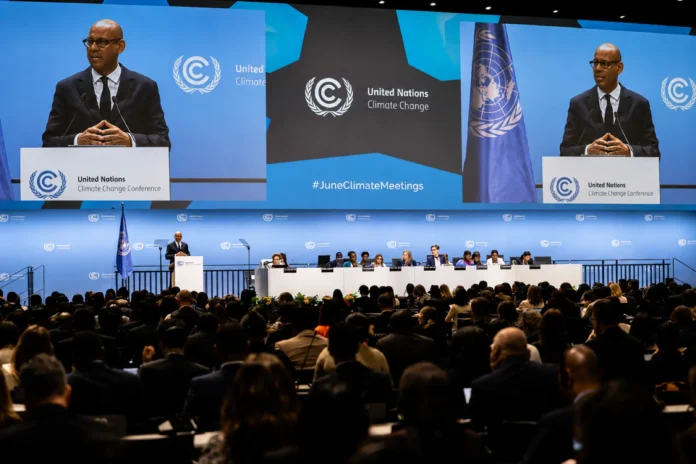

Signals Beneath Bonn Reveal Global Climate Strain
Delegates arrived in Bonn amid widening geopolitical fractures, unstable markets, and persistent energy concerns. Climate negotiations now reflect economic anxieties alongside environmental risks across multiple continents. Meanwhile, governments face mounting pressure from industries demanding clearer policies and investment certainty.
Business leaders increasingly seek direct participation within climate frameworks previously dominated by governments alone. Trade disputes, supply chain disruptions, and inflation now shape discussions surrounding global climate cooperation. Private investors also demand stronger accountability before committing substantial capital toward long term transitions. Consequently, the Bonn conference carries broader significance beyond traditional environmental diplomacy and scientific debates.
Markets, Energy, and the Race for Emissions Cuts
Against this backdrop, the ICC emphasized stronger mitigation frameworks capable of accelerating global emissions reductions. The organization identified policy clarity as essential for sustained industrial transformation and investor confidence.
The first Global Stocktake outcomes now provide governments broader direction for future climate implementation. However, many developing economies still confront difficult energy transition decisions amid economic instability. Several industries also fear abrupt regulations could weaken competitiveness without sufficient financial assistance.
Meanwhile, carbon accounting inconsistencies continue undermining investor trust across international climate finance markets. Greater convergence between methodologies could strengthen transparency and reduce costly fragmentation between jurisdictions. Continued implementation under Article 6 also remains crucial for expanding credible international carbon markets. These mechanisms may unlock larger financial flows toward mitigation projects and adaptation initiatives worldwide.
Private capital now represents a decisive factor within large scale climate transformation efforts worldwide. Investors increasingly demand predictable regulations before financing expensive low carbon infrastructure projects. Consequently, uncertainty surrounding future policies still threatens long term investment commitments across industries.
Food Systems, Trade, and Climate Cooperation
Beyond mitigation debates, adaptation and agricultural resilience now demand greater international policy attention. The ICC urged governments toward stronger coordination across climate, food, and economic frameworks.
Food systems increasingly occupy central positions within broader discussions surrounding climate adaptation and resilience. Many vulnerable regions still lack sufficient financing for agricultural protection and infrastructure modernization. The ICC also supported stronger integration between food policies and international climate workstreams.
Likewise, trade policies now shape climate negotiations far beyond traditional environmental regulatory frameworks. Cross border mitigation measures, including CBAM, continue generating tensions between advanced and developing economies. Greater methodological interoperability could reduce confusion surrounding emissions calculations and compliance expectations worldwide. Stronger transparency standards may also prevent fragmented climate rules from disrupting international commercial relationships.
The ICC additionally emphasized practical cooperation regarding just transition initiatives between governments and industries. Open trade systems could accelerate technology access, investment flows, and climate adaptation across regions. Consequently, negotiators now face growing pressure toward balanced frameworks supporting climate goals and economic stability.
The Weight of Cooperation Beneath Every Pledge
Yet ambitious climate pledges still confront persistent gaps between promises and measurable implementation efforts. Many governments continue facing financial limitations, political resistance, and competing domestic economic priorities. Businesses also require clearer international coordination before pursuing expensive long term climate commitments.
International cooperation may ultimately determine whether climate frameworks achieve meaningful transformational outcomes worldwide. Fragmented policies could weaken investor confidence and delay essential infrastructure expansion across vulnerable regions. Stronger partnerships between states, industries, and financial institutions remain essential for accelerated implementation. The Bonn discussions therefore highlighted cooperation itself as a decisive climate resource during uncertain times.
Meanwhile, future climate negotiations may depend heavily upon trust between governments and private stakeholders. Global institutions must provide stable frameworks capable of encouraging wider international participation. Collective action now represents the strongest pathway toward credible and measurable climate transformation.

CALAMITY360.com delivers global news and safety insights on earthquakes, tsunamis, volcanic eruptions, floods, wildfires, storms, and tornadoes. It provides timely updates, expert tips, and disaster-readiness information to foster awareness, preparedness, and resilience across communities worldwide.