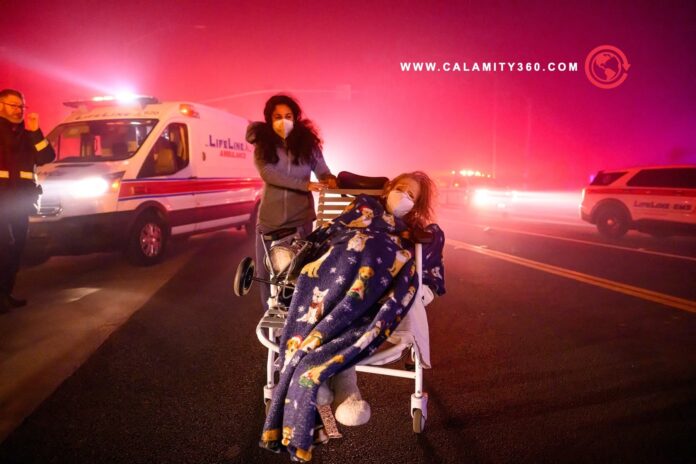

When the Sky Turns Ominous and Smoke Hints at Danger
The first indication of wildfire danger often appears in the sky before flames reach the ground. Clouds of smoke rising from distant areas can signal fire movement toward nearby communities. Paying attention to the color and density of smoke provides critical information for timely evacuation decisions.
Shifts in sunlight and sudden changes in air quality may alert residents to fire hazards quickly. Smoke that smells acrid or has an unusual chemical odor often precedes visible flames and spreading fire. Recognizing these subtle environmental cues allows people to prepare and move before conditions worsen.
Local landscapes can change rapidly during dry, windy conditions, increasing the speed of wildfire spread. Observing the horizon for unusual haze or orange glows can indicate that fire is approaching nearby areas. Quick recognition of these early signs is essential to prevent being trapped in dangerous zones.
Situational awareness involves staying informed through local news, weather updates, and community alerts consistently. Individuals who maintain vigilance are more likely to act before flames threaten their homes or workplaces. Preparing in advance and noting potential escape routes enhances safety during sudden wildfire events.
Even minor smoke plumes or shifting wind patterns can escalate into significant hazards within minutes. Understanding the importance of early warning signals saves lives by providing extra time to evacuate. Responding promptly and calmly to these early cues ensures a safer outcome for everyone.
1. Understanding Rapidly Changing Fire Conditions and Wind Shifts
Wildfires can transform from manageable to life-threatening within minutes due to shifting wind directions and speed. Flames may suddenly jump natural barriers, spreading faster than initially predicted. Recognizing these changes early allows residents to accelerate evacuation before conditions worsen.
Wind gusts can carry embers far ahead of the main fire front, igniting unexpected areas quickly. Fires on slopes or uneven terrain can change behavior rapidly as winds funnel and intensify. Awareness of local topography and prevailing wind patterns helps predict potential fire paths effectively.
Sudden temperature rises or dropping humidity can dramatically increase fire intensity and speed. Smoke density often thickens as winds shift, reducing visibility and complicating evacuation routes. Monitoring these environmental factors continuously ensures that response actions remain timely and informed.
Fire behavior can be unpredictable, with spot fires emerging far from the original blaze unexpectedly. Small flames may appear deceptively minor but can merge rapidly under strong wind conditions. Maintaining multiple escape routes provides flexibility when sudden changes occur during a wildfire emergency.
Even experienced firefighters rely on constant observation of wind changes to avoid entrapment in dangerous areas. Communities at risk must treat any wind shift as a signal to prepare for immediate evacuation. Delays in response during rapid fire escalation can result in life-threatening situations very quickly.
Understanding how wind interacts with vegetation density helps anticipate fire intensity and movement. Open areas with dry grass can accelerate flames toward residential zones unexpectedly during gusty conditions. Recognizing these potential accelerators improves decision-making about when and how to evacuate safely.
Emergency alerts often update residents about shifting fire paths and wind-driven hazards in real-time. Responding immediately to these alerts increases the likelihood of safe evacuation and reduces exposure risk. Planning ahead and heeding updates prevents being caught off guard by rapidly changing fire conditions.
Preparedness involves rehearsing evacuation under varying scenarios to account for sudden fire behavior changes. Families and communities that plan for wind-driven flare-ups can leave safely without confusion. Understanding the volatile nature of wildfires ensures that every decision prioritizes life and safety first.
2. Unusual Smells and Thickening Smoke That Demand Immediate Attention
Dense smoke that suddenly appears can indicate a wildfire approaching faster than expected. Acrid odors often signal burning plastics or man-made materials, increasing health risks significantly. Recognizing these signs early is crucial for initiating evacuation before conditions become hazardous.
Chemical-like smells may arise from fires igniting storage areas, industrial sites, or hazardous materials nearby. These odors can overwhelm the senses quickly, making respiratory protection or immediate relocation essential. Workers and residents should treat unfamiliar smoke as a warning to prepare for rapid departure.
Thickening smoke can drastically reduce visibility, complicating evacuation and increasing the likelihood of accidents. It may obscure roadways, trails, or familiar paths, requiring alternative escape routes. Observing changes in smoke density provides critical clues about fire movement and speed.
Sudden shifts in smoke color from gray to black often indicate intensified flames nearby. Black smoke usually signals burning oil, rubber, or chemicals, which can release toxic gases. Staying alert to these changes ensures timely decisions for personal and family safety.
Smoke may linger at low levels but become denser as the fire moves closer. Wind changes can push smoke into residential areas without warning, increasing urgency to evacuate. Continuous observation of both smell and visibility helps gauge the wildfire’s proximity effectively.
Even faint chemical odors should not be ignored, as they can precede visible flames. Rapidly worsening smoke and smell often indicate that fire is advancing along unpredictable paths. Immediate action reduces the risk of being trapped or exposed to toxic fumes.
Using all senses to detect abnormal smells complements visual wildfire monitoring for early warning. Coordinating with local alerts and monitoring air quality can help validate the severity of the threat. Preparedness to act when these signs appear increases safety for all residents and responders.
Smoke patterns, density, and odors are early indicators that evacuation should not be delayed. Planning and responding proactively to these sensory warnings prevents life-threatening situations during wildfire emergencies. Families and communities must treat these signals as urgent calls for immediate action.
3. Flames Visible Beyond the Horizon or Approaching the Perimeter
Spotting flames beyond the horizon provides critical time to prepare and organize evacuation effectively. Early visual recognition allows families and communities to avoid chaotic last-minute decisions. Awareness of distant fire movement is a key factor in preventing injuries and property loss.
Approaching flames near the perimeter indicate that the wildfire is advancing faster than anticipated. Immediate action is necessary to ensure everyone reaches safety without delay or confusion. Observing fire behavior from a safe distance can help anticipate its path accurately.
The color and intensity of visible flames reveal important information about fuel type and fire strength. Bright, tall flames often indicate rapid spread and high heat output, increasing the urgency to evacuate. Residents should monitor both size and movement to determine the safest route away from danger.
Even small visible flames should not be underestimated, as they can quickly escalate under windy conditions. Firelines can jump unexpectedly, engulfing areas that appeared safe just moments before. Maintaining a vigilant watch is essential for timely decision-making and protective measures.
Fire approaching a perimeter can create embers that ignite secondary fires, increasing overall hazard. These spot fires often appear ahead of the main blaze, making proactive evacuation even more crucial. Coordinating with neighbors or local authorities ensures that everyone is informed of imminent threats.
Early flame detection reduces stress and confusion, allowing individuals to act calmly and efficiently. Preparing vehicles, animals, and essential supplies ahead of time ensures a smoother evacuation process. Visual cues of fire should trigger immediate activation of established emergency plans.
Communities in wildfire-prone areas should practice recognizing flame patterns during drills to improve response times. Training helps distinguish between harmless distant fires and actual threats requiring urgent evacuation. Repeated observation and preparedness enhance both confidence and safety during real wildfire events.
Flames visible at any distance are a definitive signal that evacuation cannot be postponed. Immediate assessment, clear communication, and rapid movement toward safety dramatically reduce potential harm. Proactive response based on visual cues is a lifesaving strategy during wildfire emergencies.
4. Crackling, Popping, and Roaring Sounds That Indicate Proximity
Hearing crackling from burning vegetation signals that the wildfire is drawing dangerously close. Popping noises often come from branches or power lines snapping under extreme heat. Recognizing these sounds early gives residents valuable time to initiate evacuation and safety measures.
Roaring sounds indicate larger fires consuming extensive areas and generating powerful winds that drive flames forward. The intensity of these noises can help gauge the fire’s speed and proximity to inhabited areas. Immediate attention to auditory cues is essential for making timely safety decisions.
Fire-related sounds are often more reliable than visual cues when smoke or flames are obscured. Dense smoke can hide firelines, making auditory warnings critical for detecting imminent danger. Listening carefully allows people to react before the fire reaches a critical point.
Electric arcs or exploding transformers produce loud popping sounds that can indicate fires approaching utility lines. Such noises may signal a significant hazard even if flames are not yet visible. Residents should treat these auditory warnings with urgency and not underestimate their significance.
Continuous crackling or increasing intensity of sounds often precedes visible firefronts moving rapidly through forests. Firefighters and emergency personnel use these indicators to assess wildfire behavior and spread patterns. Listening attentively complements other signs like smoke, wind changes, and flame visibility.
Auditory awareness allows people to prepare evacuation routes, gather essential supplies, and alert neighbors efficiently. Combining sound detection with visual and environmental cues ensures a comprehensive assessment of wildfire danger. Delaying action until flames appear increases the risk of being trapped by fast-moving fire.
Communities should educate residents about the different sounds wildfires produce and their implications for safety. Drills can include listening exercises to train people to recognize and respond to auditory wildfire signals. Preparedness improves reaction time and reduces confusion when wildfires approach populated areas.
Ultimately, crackling, popping, and roaring sounds are definitive warnings that wildfire proximity requires immediate action. Responding quickly to these auditory cues can save lives, property, and prevent last-minute evacuation chaos. Being attuned to fire sounds is as critical as observing flames and smoke during emergencies.
5. Rapid Temperature Rises and Sparks That Put Surroundings at Risk
Sudden increases in heat near homes or vegetation indicate that fire is rapidly approaching. Sparks or glowing embers can travel significant distances, igniting nearby structures or dry brush. Recognizing these signs immediately allows residents to prioritize evacuation before conditions worsen dramatically.
Embers carried by strong winds can start spot fires far from the main blaze. Rising temperatures can make outdoor areas unsafe within minutes, even if flames are not yet visible. Early awareness of heat and sparks is critical for protecting life and property.
People should monitor for flickering sparks landing on roofs, fences, or vegetation around their property. Such small fires can quickly escalate if not addressed or avoided promptly. Fire preparedness plans should include actions for responding to ember showers and rising heat levels.
Rapid heat increases also pose dangers to people trapped outdoors, causing dehydration or heat-related injuries. Children, elderly, and pets are especially vulnerable to sudden temperature spikes during wildfire events. Immediate movement to safer, cooler locations is essential once these signs appear.
Sparks near power lines or gas sources require urgent evacuation and alerting emergency services without delay. Electrical fires or ignited fuel can create explosive hazards that spread fire unpredictably. Being vigilant about these warning signals can prevent catastrophic outcomes for households.
Authorities recommend staying aware of local fire danger ratings and monitoring temperature changes during wildfire conditions. High winds can exacerbate spark spread, making even distant fires a serious threat to communities. Residents must combine visual, auditory, and thermal cues to make swift evacuation decisions.
Practicing quick responses to temperature rises and spotting embers in drills improves reaction speed during real emergencies. Families should rehearse moving to safe zones while accounting for pets and essential belongings. Preparation ensures that warning signs do not go unnoticed when wildfire behavior intensifies unexpectedly.
Ultimately, rapid heat spikes and flying sparks are clear signals that wildfire proximity demands immediate evacuation. Responding without hesitation can save lives, prevent injuries, and reduce the likelihood of property loss. Being alert to these thermal and visual warnings is a crucial part of wildfire survival.
6. Government Alerts, Sirens, and Emergency Notifications That Should Not Be Ignored
Official alerts, sirens, and digital notifications are designed to provide timely wildfire warnings to the public. These messages are issued based on expert analysis of fire behavior and environmental conditions. Ignoring these alerts can put lives and property at serious risk.
Sirens are often used to reach large populations quickly, signaling that immediate action is required. Digital notifications via mobile phones and apps can provide location-specific instructions for evacuation routes and safety measures. Paying attention to all forms of official communication increases chances of a safe escape.
Authorities may update alerts frequently as wildfire conditions change rapidly, requiring residents to remain vigilant. Repeated warnings indicate that fire is advancing or that evacuation orders have changed unexpectedly. Following instructions without delay can prevent confusion and save precious time during emergencies.
Some alerts include maps, road closures, or shelter locations, providing critical guidance for safe evacuation. Authorities rely on these notifications to manage traffic flow and prevent bottlenecks near fire zones. Accessing information from multiple official sources ensures the public receives accurate, real-time updates.
Digital alert systems may include text messages, push notifications, or social media posts from verified agencies. Each message is carefully crafted to communicate urgency and recommended actions clearly to the affected population. Residents should enable alerts on all devices to avoid missing critical instructions.
Ignoring sirens or alerts may lead to delayed responses, trapping people in unsafe areas. Emergency personnel monitor public compliance and may assist those who act promptly on alerts. Swift reaction to government notifications significantly improves survival chances during fast-moving wildfires.
Communities are encouraged to familiarize themselves with local alert systems and test them regularly. Knowing how to interpret different signals and notifications ensures an immediate, organized evacuation. Preparedness includes recognizing that all official warnings carry real, expert-backed significance that must be acted upon.
Taking alerts seriously, even if a fire seems distant, can prevent last-minute panic and dangerous decisions. Early response allows safe navigation through evacuation routes while avoiding traffic congestion or blocked roads. Responding to sirens and digital notifications is a critical step in wildfire safety planning.
7. Observing Animal Behavior and Environmental Cues That Signal Threats
Animals often sense danger before humans, reacting instinctively to smoke, heat, or unusual environmental changes. Pets may become unusually anxious, pacing or seeking shelter in safe areas. Wildlife fleeing through populated areas can provide an early indication that fire is approaching.
Birds may leave their usual roosts in large numbers, signaling disturbances caused by rising heat or smoke. Domesticated animals might refuse food or water, displaying stress that humans can observe and respond to. Observing these behaviors can complement official alerts, providing critical extra time to prepare for evacuation.
Sudden movements of small mammals or insects away from fire-prone zones may indicate changing wind or fire direction. Livestock may huddle together or attempt to move toward higher, safer ground instinctively. Recognizing these cues allows proactive steps to secure animals and reinforce evacuation plans.
Environmental signs such as falling ash, crackling vegetation, or sudden gusts of hot air often accompany animal reactions. Changes in air temperature or unusual odors may trigger both wildlife and pets to react nervously. Humans can interpret these combined signs as urgent warnings that fire is advancing rapidly.
Pets may hide, vocalize excessively, or become unusually clingy to their owners, signaling perceived danger. Farmers and ranchers should monitor herd behavior closely, noting any restlessness or unusual patterns in movement. These observations help prioritize which animals require immediate evacuation first to ensure safety.
Wild animals moving into urban areas can indicate fire is approaching regions considered safe by humans. Observing tracks, scat, or sudden disappearance of wildlife provides additional context about fire intensity and proximity. Understanding animal responses enhances situational awareness, complementing sirens, alerts, and environmental observations for decision-making.
Taking note of both pet and wildlife behavior provides valuable information when official warnings are delayed. Combining these signs with smoke, temperature changes, and wind shifts increases preparedness and reduces reaction time. Acting on these cues can prevent last-minute panic and ensure safer evacuation for all living beings.
Regularly observing animals and their environment before and during fire season builds anticipatory skills for emergencies. Integrating animal behavior monitoring into overall wildfire preparedness strengthens early warning strategies significantly. Recognizing instinctive reactions and environmental cues can save both human and animal lives during sudden wildfire events.
8. Preparing to Leave at a Moment’s Notice When Signals Intensify
When wildfire signals escalate, having a ready-to-go evacuation kit is crucial for both people and pets. Evacuation kits should include essential items like water, food, medications, and important documents for quick access. Ensuring everyone in the household knows the kit’s location reduces confusion during high-stress situations.
Identifying multiple evacuation routes ahead of time helps avoid being trapped if roads become blocked or congested. Maps, GPS devices, and local knowledge should be combined to plan safe alternatives under rapidly changing fire conditions. Regularly practicing these routes ensures familiarity and can minimize panic when urgent departure is necessary.
Pets and livestock should be included in evacuation plans with carriers, leashes, or trailers ready for immediate use. Assigning responsibilities to each family member or employee ensures animals are moved efficiently and safely. Preparation includes knowing which animals need assistance first and which can be safely relocated later.
Vehicles should be fueled, and emergency contact numbers noted before signals intensify to prevent last-minute delays. Ensuring that all family members or coworkers understand their roles enhances coordination and prevents mistakes. These steps can save valuable time when every minute counts during a wildfire threat.
Packing essential clothing, blankets, and first aid supplies adds comfort and safety during sudden evacuation. Including flashlights, batteries, and portable chargers ensures communication devices remain functional in case of power outages. Maintaining a checklist helps prevent forgetting critical items under stress and time pressure.
Stay informed by monitoring official alerts, local radio, and digital notifications to adjust plans quickly if fire behavior changes. Coordinating with neighbors or nearby community members can provide support and guidance during rapid evacuation scenarios. Collaboration increases safety and ensures no one is left behind during emergencies.
Children, elderly family members, or individuals with mobility challenges should have personalized evacuation strategies prepared in advance. Extra time should be allocated for securing these individuals, along with pets, to avoid panic. Being proactive about these considerations reduces risk and improves overall evacuation efficiency.
Rehearsing emergency drills regularly strengthens readiness and builds confidence to leave safely when wildfire signals intensify. Awareness, preparation, and clear responsibilities ensure evacuation proceeds smoothly without unnecessary delays or confusion. Taking decisive action at the right moment can save lives and prevent serious injuries.
Turning Awareness Into Action to Stay Ahead of the Fire
Recognizing wildfire signals early allows individuals to make timely decisions that can prevent serious injury or loss. Continuous observation of smoke, flame behavior, and environmental cues strengthens situational awareness. Staying alert ensures that evacuation decisions are not delayed when conditions worsen rapidly.
Preparing emergency kits, evacuation routes, and family or workplace plans in advance increases readiness for sudden fire threats. Including pets, elderly family members, and those with mobility challenges in planning enhances safety for everyone involved. Rehearsing drills and reviewing responsibilities builds confidence and reduces confusion under stressful circumstances.
Relying on official alerts, sirens, and digital notifications keeps people informed about wildfire progression. Coordinating with neighbors, coworkers, or local authorities provides additional support and guidance during urgent evacuations. Collaboration and clear communication prevent panic and ensure that no one is left behind.
Decisive action at the first sign of dangerous conditions is crucial for personal and community safety. Delaying evacuation can increase exposure to heat, smoke, and rapidly spreading flames, which may be life-threatening. Prioritizing early movement and preparedness minimizes risk and ensures more controlled, safer departures from affected areas.
Maintaining ongoing vigilance, rehearsing evacuation procedures, and updating plans regularly transforms awareness into effective action. Preparedness is a continuous effort that protects lives, property, and animals from unpredictable wildfire hazards. Committing to proactive strategies ensures communities remain resilient and capable when fire emergencies arise.

CALAMITY360.com delivers global news and safety insights on earthquakes, tsunamis, volcanic eruptions, floods, wildfires, storms, and tornadoes. It provides timely updates, expert tips, and disaster-readiness information to foster awareness, preparedness, and resilience across communities worldwide.