
When the Earth Split Open Before Sunrise
Morning silence across southern Philippines vanished after violent tremors struck coastal communities without mercy. Families rushed outside damaged homes while terrified residents searched desperately for safer ground nearby. Panic spread rapidly through streets as emergency sirens echoed across several heavily populated districts.
Meanwhile, students screamed inside classrooms after walls shook violently beneath frightened teachers and classmates. Parents attempted frantic phone calls while weak cellular signals disrupted communication throughout affected provinces. Several residents near shorelines abandoned vehicles immediately after tsunami warnings reached vulnerable communities. Emergency responders struggled through debris filled roads while hospitals prepared urgently for incoming casualties.
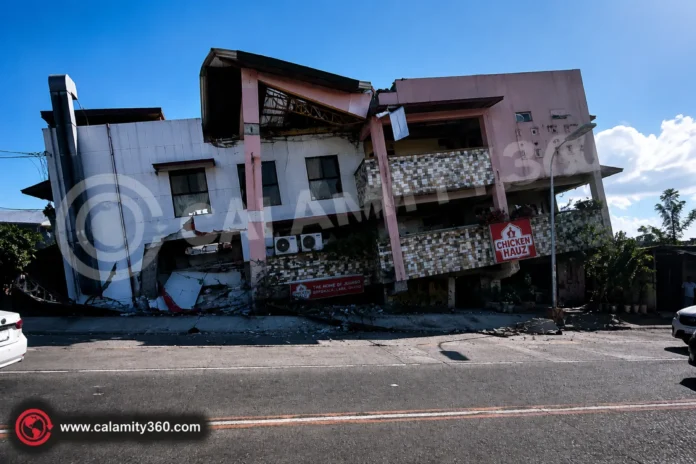
Elsewhere, collapsed buildings inside General Santos City exposed the earthquake’s devastating destructive force clearly. Airport operations stopped abruptly after authorities feared additional structural damage from possible aftershocks nearby. Commercial flights disappeared from departure boards while stranded passengers crowded airport terminals anxiously. Coastal residents climbed toward elevated areas after reports confirmed dangerous tsunami waves across nearby waters.
Coastal Cities Face Ruin After Violent Tremor
Subsequently, daylight revealed shattered buildings and fractured roads across several heavily affected southern provinces. Concrete debris covered busy intersections while emergency crews searched damaged structures for trapped residents. Entire neighborhoods inside General Santos City suffered extensive destruction after violent seismic waves struck suddenly.
Several commercial establishments suspended operations immediately after authorities reported severe structural weaknesses across downtown districts. Store owners boarded damaged entrances while frightened workers evacuated unstable office buildings without hesitation. Public markets lost electrical service after transformers failed during powerful underground seismic activity earlier. Meanwhile, fuel stations experienced long vehicle lines because residents feared prolonged transportation disruptions across nearby provinces.
General Santos International Airport halted operations after engineers inspected runways and terminal facilities carefully. Cancelled commercial flights stranded hundreds of passengers seeking transportation toward safer family locations elsewhere. Cargo shipments containing frozen tuna products remained idle after airport authorities restricted logistical movements temporarily. Export companies faced immediate financial uncertainty because international deliveries depended heavily upon uninterrupted transportation services.
Elsewhere, damaged bridges complicated rescue efforts while ambulances navigated cracked highways with extreme caution afterward. Several coastal ports suspended fishing activities because authorities feared additional tsunami waves near vulnerable shorelines. Tuna suppliers worried extensively about spoiled inventory after refrigeration systems failed throughout affected storage facilities. Local fishermen also faced economic hardship because damaged harbors prevented immediate access toward commercial fishing routes.
Municipal governments declared emergency measures rapidly while disaster response teams coordinated immediate relief operations carefully. Rescue personnel distributed food supplies and temporary shelter materials toward displaced families across evacuation centers. Local officials urged residents continuously toward elevated areas because dangerous aftershocks remained possible throughout surrounding provinces.
Waves From the Sea Deepen Public Fear Fast
Thereafter, fear intensified across coastal communities after tsunami warnings spread through emergency broadcasts rapidly. Residents near shorelines abandoned homes immediately while authorities ordered movement toward elevated evacuation areas. Sirens echoed continuously across several provinces as anxious families carried belongings toward crowded shelters.
Reports confirmed tsunami waves reached portions of the Philippines, Indonesia, and southern regions of Japan. Scientists explained underwater earthquakes displace massive seawater volumes, which creates dangerous ocean surges afterward. Coastal authorities monitored wave activity carefully because additional surges remained possible after initial seismic disturbances. Emergency agencies also feared misinformation because false rumors often trigger unnecessary panic during major disasters.
Several frightened residents rushed toward highways simultaneously, which created severe traffic congestion near coastal towns. Parents carried young children through crowded streets while elderly residents struggled across damaged evacuation routes. Community volunteers distributed drinking water immediately after thousands arrived inside temporary emergency shelters without supplies. Local radio stations repeated evacuation advisories constantly because unstable communication networks complicated official coordination efforts.
Meanwhile, fishermen abandoned boats hurriedly after warnings predicted dangerous conditions near surrounding coastal waters afterward. Harbor officials suspended maritime activities because strong currents threatened vessels anchored beside vulnerable shorelines nearby. Several residents ignored evacuation instructions initially because previous tsunami warnings never produced destructive consequences locally. Authorities therefore faced immense difficulty convincing skeptical communities about immediate dangers from approaching tsunami waves.
Social media platforms filled rapidly with alarming videos, unverified reports, and emotional eyewitness testimonies afterward. Disaster officials appealed for public calm while emergency hotlines received overwhelming numbers of distress calls. Fear spread beyond affected provinces because nationwide audiences followed continuous earthquake coverage through television broadcasts.
Children Cry as Schools Turn Into Shelters
Consequently, emotional devastation spread rapidly after frightened survivors gathered inside overcrowded evacuation centers afterward. Children clung desperately toward parents while strong aftershocks continued across several vulnerable southern provinces. Teachers attempted reassurance calmly despite visible fear among exhausted students trapped inside damaged school buildings.
Several classrooms transformed into temporary shelters after authorities declared nearby residential areas structurally unsafe afterward. Families spread blankets across concrete floors while volunteers distributed limited food supplies among displaced residents. Injured survivors waited patiently for medical attention because local hospitals struggled beneath overwhelming emergency conditions. Elderly evacuees also expressed anxiety because recurring aftershocks prevented peaceful rest throughout crowded evacuation facilities.
Meanwhile, viral videos captured terrified students crying uncontrollably during violent shaking inside public schools earlier. Parents rushed anxiously toward campuses afterward because communication networks failed across heavily affected communities suddenly. School administrators evacuated children carefully while ceilings cracked and classroom furniture collapsed during seismic disturbances. Several teachers later described emotional exhaustion after protecting frightened students throughout chaotic evacuation procedures afterward.
Young survivors struggled emotionally after powerful tremors destroyed homes, classrooms, and familiar neighborhood surroundings completely. Mental health specialists warned prolonged fear often follows catastrophic earthquakes, especially among traumatized young children afterward. Several displaced residents experienced difficulty sleeping because recurring aftershocks revived terrifying memories from earlier destruction. Parents therefore attempted emotional reassurance constantly despite personal fear and uncertainty regarding future recovery efforts.
Elsewhere, evacuation centers lacked sufficient privacy because thousands sought immediate refuge from dangerous aftershocks nearby. Community kitchens served simple meals while exhausted volunteers coordinated supplies across heavily crowded temporary shelters. Several displaced families shared limited sleeping areas because damaged homes remained unsafe for immediate return afterward. Relief workers also distributed hygiene materials carefully because sanitation concerns increased within densely populated evacuation facilities.
Many survivors described overwhelming helplessness after witnessing buildings collapse beside crowded public spaces suddenly. Some residents searched desperately for missing relatives while emergency responders continued rescue operations throughout dangerous locations. Children remained visibly anxious whenever minor vibrations occurred because fear persisted long after initial destruction ended. Religious leaders offered prayers and emotional support because grieving communities sought comfort during uncertain circumstances afterward.
Nevertheless, resilience appeared gradually as neighbors supported displaced families through food donations and temporary shelter assistance. Teachers organized simple recreational activities afterward because children required emotional relief from continuous disaster related fear. Local communities united despite devastation while survivors prepared slowly for difficult recovery efforts ahead.
A Nation Confronts Nature Without Certainty
Ultimately, the Philippines continues life beneath constant threats from earthquakes, typhoons, and volcanic disasters nationwide. Generations of Filipinos witnessed catastrophic destruction repeatedly because geographic realities never changed throughout history. Communities therefore developed remarkable resilience despite recurring tragedies that shattered homes, livelihoods, and public infrastructure.
Government agencies now face increasing pressure toward stronger disaster preparedness and faster emergency response systems. Many experts argue outdated infrastructure worsens earthquake damage across densely populated urban communities nationwide afterward. Public schools, hospitals, bridges, and evacuation facilities require substantial reinforcement against future seismic catastrophes nationwide. Authorities also confront growing expectations because citizens demand transparent leadership during large scale humanitarian crises.
Meanwhile, emotional recovery often requires significantly longer periods than visible physical reconstruction efforts afterward. Survivors frequently rebuild damaged homes while hidden psychological trauma remains deeply rooted beneath everyday routines. Children especially carry lasting fear because catastrophic earthquakes disrupt feelings of safety during formative years. Mental health support therefore remains equally important beside food distribution, shelter assistance, and infrastructure rehabilitation efforts.
Nevertheless, nations located beside seismic fault lines rarely possess the luxury of permanent certainty afterward. Coastal communities continue daily routines despite awareness that powerful natural disasters may return unexpectedly someday. Fishermen still return toward dangerous waters while students eventually reenter repaired classrooms after devastating earthquakes. Families rebuild destroyed neighborhoods repeatedly because hope often survives even after catastrophic national tragedies occur.

CALAMITY360.com delivers global news and safety insights on earthquakes, tsunamis, volcanic eruptions, floods, wildfires, storms, and tornadoes. It provides timely updates, expert tips, and disaster-readiness information to foster awareness, preparedness, and resilience across communities worldwide.