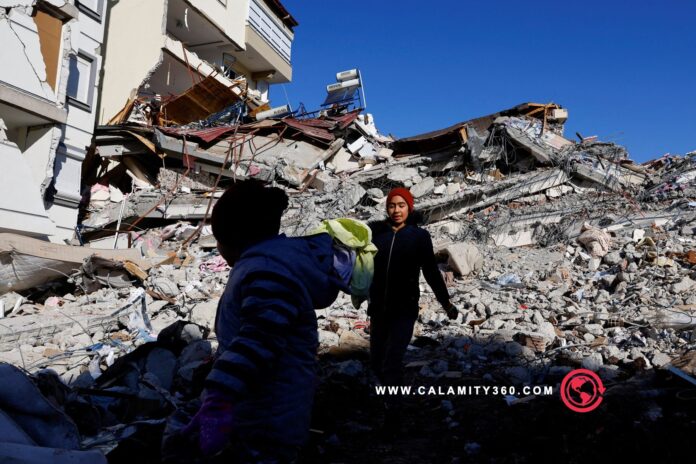

Earthquake Awareness Starts With Planning And Smart Actions
Preparing for earthquakes helps reduce chaos and provides clarity during emergencies. Knowing what to do before the ground shakes improves decision making. Planning ahead protects both lives and property from avoidable harm.
Early awareness allows families to identify risks specific to their homes and neighborhoods. Assessing potential hazards helps prioritize safety measures and necessary adjustments. Every precaution taken in advance increases resilience and readiness for unexpected events.
Training household members to respond quickly improves survival odds dramatically. Understanding emergency protocols ensures that everyone can act without hesitation when tremors begin. Coordination among all residents supports faster and safer actions during critical moments.
Being informed about local hazards enhances personal safety and community response efforts. Awareness of nearby cliffs, bridges, or unstable structures allows people to avoid dangerous areas. Knowledge enables prioritization of safer routes and protective measures during tremors.
Technology can support preparedness through alerts, monitoring, and educational resources. Smartphone applications and online platforms provide up-to-date information and early warnings. Utilizing these tools empowers individuals to make timely and informed decisions.
Regular evaluation and updating of safety plans ensures continuous readiness. Revisiting strategies, checking supplies, and rehearsing procedures helps maintain effectiveness over time. Consistent attention to preparedness fosters confidence and reduces risks when earthquakes strike.
Identify Hidden Dangers in Your Area to Stay Safer During Quakes
Local geography plays a major role in how earthquakes impact communities. Mountainous regions and valleys can amplify shaking unexpectedly. Being aware of your surroundings helps in planning safer spaces.
Fault lines beneath the surface create zones of higher seismic activity. Residents living near these faults face stronger and more frequent tremors. Understanding these patterns allows for better risk assessment and preparation.
Soil composition directly affects how violently the ground moves during earthquakes. Loose or sandy soils increase shaking intensity compared to dense, rocky ground. Evaluating the type of soil around your home guides where to shelter safely.
Building construction determines how structures respond to seismic forces. Older masonry or unreinforced buildings often fail under strong shaking. Modern designs with flexible frameworks tend to withstand tremors more effectively. Proper inspection identifies weaknesses that need immediate attention.
Even small cracks or structural irregularities can worsen during repeated shaking. Foundations that shift or settle unevenly increase collapse risks. Reinforcing vulnerable points reduces potential damage significantly. Homeowners should consult experts to evaluate critical weaknesses. Temporary solutions like bracing can improve safety while awaiting professional repairs.
High-rise buildings respond differently from single-story homes during seismic events. Taller structures may sway more, creating hazards for unsecured items inside. Residents must identify stable areas and avoid windows or unfastened objects. Emergency exits should be evaluated for safe and quick evacuation. Regular maintenance ensures elevators and stairways remain functional after tremors.
Waterways and drainage systems can also be affected by earthquakes. Flooding or soil liquefaction may occur in low-lying areas. Understanding these risks allows residents to avoid dangerous zones immediately after shaking stops. Evacuation planning should incorporate these geographic hazards. Contingency routes are critical in case primary roads become impassable.
Urban density increases risk due to potential falling debris and infrastructure strain. Crowded streets, old buildings, and overhead wires contribute to secondary hazards. Awareness of high-risk zones helps residents plan safer routes. Coordination with neighbors can improve situational awareness and reduce accidents.
Historical data on earthquakes in your area provides valuable insight into possible future events. Patterns of frequency, magnitude, and location guide preparedness strategies. Local government maps and community resources offer critical information for families. Applying this knowledge strengthens personal and household safety plans.
Combining geological, structural, and historical information allows individuals to assess their overall risk. Awareness enables strategic preparation tailored to the unique hazards of a specific area. Informed residents are more capable of acting quickly and reducing potential injuries. Understanding risks transforms uncertainty into actionable safety decisions.
Make Your Home and Workplace Safer by Anchoring and Organizing
Securing heavy furniture prevents injuries from tipping during shaking. Large bookshelves, cabinets, and wardrobes should be anchored to walls firmly. Taking this step reduces the risk of serious harm indoors.
Appliances such as refrigerators, water heaters, and stoves can cause accidents if they shift or fall. Straps, brackets, and safety clips help stabilize these items effectively. Ensuring stability of major appliances increases overall household and workplace safety.
Loose objects on shelves or counters can become dangerous projectiles during tremors. Keeping items organized in closed containers prevents them from flying unexpectedly. Small adjustments like adding non-slip mats improve safety immediately. Removing clutter further reduces the chance of injury and damage.
Wall-mounted items such as televisions, mirrors, and artwork require secure attachments. Use appropriate hooks, screws, or safety straps designed for heavy loads. Check attachments regularly to ensure continued effectiveness. Properly securing these items protects occupants and minimizes property damage.
Office equipment and storage areas also pose hazards during earthquakes. File cabinets, printers, and computer monitors should be anchored or positioned to reduce tipping risk. Employees should be aware of safe zones and avoid overcrowding around heavy objects. Establishing clear walkways reduces the chance of trips or collisions. Regular inspections ensure safety measures remain effective over time.
Glass items and fragile materials need protective storage or cushioning. Cabinets with latches prevent contents from spilling during shaking. Wrap fragile objects in padding or store them in low, secure locations. Implementing these small adjustments prevents costly damage and serious injuries.
Heavy books, boxes, and other storage materials should be placed low to the ground. Avoid stacking items too high or in unstable arrangements. Proper placement limits falling hazards and maintains structural balance. Anchoring shelves and using non-slip supports further enhances safety.
Workspace layouts can influence safety during a quake. Keep high-traffic areas free of heavy or sharp objects. Position desks and workstations to allow quick access to exits. Clear pathways reduce injuries during sudden movement and evacuation. Encourage employees to maintain organized, hazard-free environments consistently.
Regularly inspect both home and workplace for potential earthquake hazards. Look for loose fixtures, unstable furniture, or weakened structures. Correcting these issues before an earthquake occurs significantly reduces injury and property damage. Proactive maintenance ensures a safer environment for all occupants.
Combining thoughtful furniture arrangement, proper anchoring, and hazard awareness creates safer living and working spaces. Everyone in the household or office benefits from a reduced risk of injury. Safety improvements are a long-term investment that enhances preparedness and peace of mind.
Prepare a Complete Emergency Kit to Survive Power Outages and Isolation
Water is the most critical component of any emergency kit. Each person should have at least one gallon per day for drinking and hygiene purposes. Store enough water to last several days in a safe, accessible location.
Non-perishable food items are essential for sustaining energy during isolation. Canned goods, dry grains, and high-protein snacks provide long-lasting nutrition. Ensure that food is easy to prepare without electricity or cooking appliances.
A well-stocked first aid kit can prevent minor injuries from becoming serious. Include bandages, antiseptics, medications, and tools to treat common cuts or burns. Families should review kit contents regularly and replace expired items promptly.
Flashlights, batteries, and portable lighting ensure visibility when power lines fail. Choose durable, reliable flashlights and store extra batteries nearby. Emergency lighting reduces accidents and supports safe movement around the home or workplace.
Communication devices like battery-powered radios or cell phone chargers are vital for updates. Solar chargers or power banks can maintain connectivity when electricity is unavailable. Staying informed allows you to respond appropriately to changing conditions.
Basic tools such as wrenches, screwdrivers, and multipurpose knives support minor repairs and utility control. Tools help turn off gas, water, or electricity if damage occurs. Including these items increases self-sufficiency during extended outages.
Personal hygiene and sanitation supplies maintain health when water and sewage services are interrupted. Stock items like soap, hand sanitizer, toilet paper, and disposable gloves. Maintaining cleanliness reduces the risk of illness in confined or shared spaces.
Emergency blankets, tarps, and clothing protect against harsh weather conditions. Layered clothing, rain gear, and sturdy shoes ensure safety and comfort. These items are especially important for prolonged exposure or outdoor emergencies.
Important documents should be stored in waterproof, portable containers. Copies of identification, medical records, insurance papers, and emergency contacts are essential. Having accessible documentation supports faster recovery and access to services after a disaster.
Regularly updating and reviewing the emergency supply kit ensures readiness at all times. Replace expired food, rotate water, and check battery-powered items for functionality. A well-maintained kit provides peace of mind and immediate support when earthquakes strike.
Coordinate Your Family During Earthquakes with a Clear Safety Plan
Designating a central meeting point ensures all household members can reunite quickly. Choose a location outside the home that is easily accessible and free from hazards. Practicing this plan regularly helps everyone remember where to go during an emergency.
Communication is vital when family members are separated by shaking or debris. Establish phone chains, text groups, or messaging apps to keep everyone informed. Include backup contacts outside the local area to ensure messages get through.
Each member should know their specific responsibilities during an earthquake. Assign tasks such as turning off utilities, helping younger children, or assisting elderly relatives. Clear roles prevent confusion and allow for faster, safer actions.
Mapping multiple evacuation routes increases flexibility when primary paths are blocked. Identify alternative streets, alleyways, or open areas for safe movement. Knowing these options reduces panic and enables efficient family reunification.
Emergency kits should be stored in accessible, known locations for every household member. Everyone should be able to retrieve water, food, first aid, and flashlights without delay. Rotating and checking supplies regularly ensures readiness at all times.
Pets require special planning to remain safe during earthquakes. Assign someone to secure animals and have leashes, carriers, or cages ready. Emergency provisions should include pet food, water, and medical supplies.
Practice earthquake drills frequently to reinforce the safety plan. Simulate scenarios where family members are in different rooms or buildings. Drills improve response speed, familiarity with procedures, and reduce anxiety during real events.
Neighborhood and community resources enhance household safety plans. Share plans with neighbors to coordinate assistance, watch for hazards, and provide mutual support. Knowing local emergency services and shelters strengthens overall preparedness.
Reviewing and updating the safety plan ensures it remains effective over time. Incorporate new family members, changes in routines, or updated contact information. Frequent updates maintain clarity and prevent confusion when seconds matter most.
A well-rehearsed family safety plan transforms uncertainty into confidence during earthquakes. Every household member knows where to go, who to contact, and how to act safely. Consistent practice maximizes survival chances and minimizes injuries during seismic events.
Master the Drop Cover and Hold on Technique to Reduce Injuries
During an earthquake, dropping to your hands and knees prevents being knocked over by sudden shaking. This position keeps your body low and stable. Covering your head and neck with your arms shields vital areas from falling debris.
Take cover under sturdy furniture like tables or desks whenever possible. Protecting your head, neck, and torso reduces the risk of serious injuries. Hold on firmly to the furniture to maintain stability throughout the shaking.
If no furniture is available, crouch against an interior wall away from windows. Keep arms over your head and face to prevent harm from falling objects. Interior walls are safer than outer walls, glass, or tall unsecured furniture.
Avoid doorways as a protective measure unless they are strongly reinforced. Modern construction does not make doorways safer than other areas of a room. Focus on low, shielded spaces that provide more comprehensive protection during tremors.
For people in bed, stay put and cover your head with pillows. Do not attempt to jump out during shaking as movement increases the risk of injury. Remaining calm and protecting vital areas is the safest approach until shaking subsides.
In offices, secure yourself under desks or along walls away from windows. Avoid standing near bookcases, cabinets, or unsecured office equipment that may fall. Clear floor space ensures better protection and reduces hazards during sudden tremors.
In crowded public spaces, drop to the floor and protect your head and neck immediately. Move away from overhead signs, lighting fixtures, or display racks that could collapse. Staying low and shielding vital areas reduces injury risk substantially.
In kitchens, bathrooms, or areas with heavy appliances, move cautiously to avoid hot surfaces or falling objects. Protect yourself from glass, dishes, or metal items that may shift violently. Awareness of surroundings complements proper body positioning for maximum safety.
After shaking stops, remain in a safe position until secondary hazards are assessed. Check for structural damage, fallen objects, or fires before moving to another location. Safety during and immediately after the quake minimizes injuries and supports better emergency response.
Regular practice of drop cover and hold on drills ensures instinctive reactions. Familiarity with the technique allows rapid, correct positioning under stress. Consistent repetition improves survival chances and reduces panic during earthquakes.
Move to Open Spaces Quickly to Stay Safe During Outdoor Earthquakes
When outdoors, move away from buildings, walls, and other structures that could collapse. Falling debris poses a serious threat to anyone nearby. Open areas provide the safest space during intense shaking.
Avoid power lines, utility poles, and trees that may fall unexpectedly. Electricity and falling branches increase the risk of severe injuries or fatalities. Keeping a safe distance from hazards reduces danger significantly.
Roads and bridges may become unstable or cracked during an earthquake. Avoid driving or crossing damaged infrastructure until authorities confirm safety. Be prepared for sudden ground shifts that can affect vehicle control.
If in a crowd, remain calm and protect your head and neck. Sudden panic can lead to trampling or collisions during shaking. Move cautiously toward open areas to reduce risk while maintaining awareness of your surroundings.
Vehicles can be dangerous during earthquakes due to rolling hazards or traffic accidents. If driving, stop in a safe location away from overpasses or large trees. Remain inside the vehicle until shaking subsides unless it becomes unsafe.
Stay alert for falling objects even in open areas. Streetlights, signs, and unsecured construction materials can become projectiles during severe tremors. Constant vigilance helps prevent injuries from unexpected hazards in your environment.
Avoid running near cliffs, slopes, or unstable terrain that may collapse. Landslides and ground fractures pose significant threats after strong tremors. Evaluate the stability of your surroundings before attempting to move further.
If near water bodies, be cautious of waves, flooding, or sudden changes in the shoreline. Earthquakes can trigger dangerous water movement in rivers, lakes, and coastal areas. Keep a safe distance until conditions stabilize and local authorities provide guidance.
After shaking stops, move carefully toward predesignated meeting points or safe zones. Watch for secondary hazards like broken glass, fallen poles, or debris. Remaining cautious ensures you are prepared for aftershocks or other emergencies.
Practice outdoor earthquake safety regularly to develop instinctive responses. Awareness of safe zones, hazards, and proper movement reduces panic and improves survival. Consistent preparation strengthens confidence and readiness for real-life seismic events.
Stay Vigilant for Aftershocks and Hidden Dangers Following an Earthquake
After the main earthquake, aftershocks can occur suddenly, causing additional damage. These secondary tremors may be strong enough to topple unstable structures. Remaining alert ensures you can respond quickly to new hazards.
Gas leaks are a serious risk after seismic activity. Shut off the main gas supply if you suspect damage. Avoid using open flames or electrical switches until the area is confirmed safe.
Electrical lines may be damaged, creating shock or fire hazards. Inspect outlets, cords, and appliances carefully before use. Contact professionals to repair damaged systems to prevent accidents.
Structural damage may not be immediately visible but can cause collapses later. Check walls, ceilings, and floors for cracks or tilting. Restrict access to unsafe areas to protect household members and neighbors.
Water and sewage lines can rupture during quakes, leading to flooding and contamination. Use bottled water until systems are verified safe. Report leaks to local authorities to prevent further hazards.
Fires often start due to broken gas lines or damaged electrical systems. Keep fire extinguishers accessible and know how to use them properly. Establish evacuation routes and safe zones for quick response.
Falling debris and loose objects indoors remain threats after initial shaking. Secure or remove unstable furniture, shelving, and decorations. Staying cautious reduces the risk of injuries during aftershocks.
Check your emergency supplies regularly to ensure they remain accessible and functional. Replace used or expired items promptly to maintain readiness. Being prepared helps you respond effectively to any secondary hazards.
Communicate with family, neighbors, and local authorities to stay informed of ongoing risks. Follow official guidance for shelter, evacuation, or safety inspections. Coordinated efforts increase overall safety and minimize confusion during chaotic conditions.
Remaining calm and vigilant after an earthquake enhances survival and reduces injuries. Awareness of secondary hazards and prompt action protects lives and property. Consistent caution ensures safer recovery during the critical hours following seismic events.
Build Confidence and Speed by Practicing Earthquake Safety Drills Regularly
Frequent practice of safety techniques reinforces correct responses during earthquakes. Repetition helps household members act instinctively without hesitation. This reduces the risk of injury caused by confusion or panic.
Evacuation routes should be rehearsed to ensure everyone can reach safe zones quickly. Identify multiple paths in case primary routes are blocked or unsafe. Practicing different scenarios builds adaptability for unexpected situations.
Family communication plans must be tested regularly to ensure effectiveness under stress. Each member should know who to contact and how to relay information. Rehearsing these communications prevents delays and miscommunication during real events.
Simulate drop cover and hold on drills in various rooms and locations. Practicing under furniture, against interior walls, and in open areas increases confidence. Repetition ingrains correct body positioning and protective measures into muscle memory.
Include workplace and school drills in addition to home practice sessions. Coordinating safety plans across locations ensures consistent responses during earthquakes. Awareness of local procedures and hazards complements personal preparedness.
After each drill, review performance and identify areas for improvement. Discuss mistakes, delays, or misunderstandings openly to prevent recurrence. Updating plans and techniques enhances overall safety and preparedness.
Incorporate pets into earthquake drills to ensure their safety and reduce panic. Practice securing animals, providing food, and guiding them to safe areas. Familiarity with procedures reduces stress for both pets and owners.
Community drills and group exercises reinforce coordination with neighbors and local services. Participating in larger-scale simulations familiarizes residents with emergency shelters and official protocols. Collective preparedness improves response efficiency during widespread seismic events.
Time your drills to include night, early morning, and crowded situations. Practicing under different conditions ensures readiness regardless of when an earthquake occurs. Adaptability gained from varied drills reduces panic and improves decision-making.
Consistent and varied practice transforms fear into confidence during earthquakes. Muscle memory, clear communication, and familiarity with routes save precious seconds. Regular drills significantly enhance safety for all household and community members.
Take Immediate Action to Protect Yourself and Your Loved Ones from Earthquakes
Earthquake awareness and preparation are essential to reduce injuries and protect lives. Knowing risks, safety techniques, and emergency plans empowers households to respond effectively. Taking action before a quake strikes significantly improves survival outcomes.
Implementing practical safety measures at home and work lowers potential hazards considerably. Anchoring furniture, securing appliances, and organizing emergency supplies ensure safer environments. Regular maintenance and updates of these measures enhance long-term protection for all occupants.
Family and household plans are critical to ensure everyone can reunite safely. Designated meeting points, communication strategies, and rehearsed evacuation routes provide structure during chaos. Practicing these plans regularly strengthens confidence and reduces panic during real earthquakes.
Understanding proper body positioning through drop cover and hold on techniques saves lives. Knowing how to act indoors, outdoors, and in vehicles prepares individuals for unpredictable situations. Combined with environmental awareness, these skills drastically reduce the likelihood of serious injuries.
Vigilance for aftershocks, structural damage, and secondary hazards supports ongoing safety after shaking ends. Inspecting utilities, maintaining clear spaces, and following official guidance prevent additional accidents. Remaining cautious while applying emergency measures ensures safer recovery for all family members.
Consistent preparation, drills, and proactive action turn uncertainty into control during earthquakes. Start implementing safety steps today to protect yourself, family, and community members effectively. Every precaution taken now increases survival and peace of mind.

CALAMITY360.com delivers global news and safety insights on earthquakes, tsunamis, volcanic eruptions, floods, wildfires, storms, and tornadoes. It provides timely updates, expert tips, and disaster-readiness information to foster awareness, preparedness, and resilience across communities worldwide.