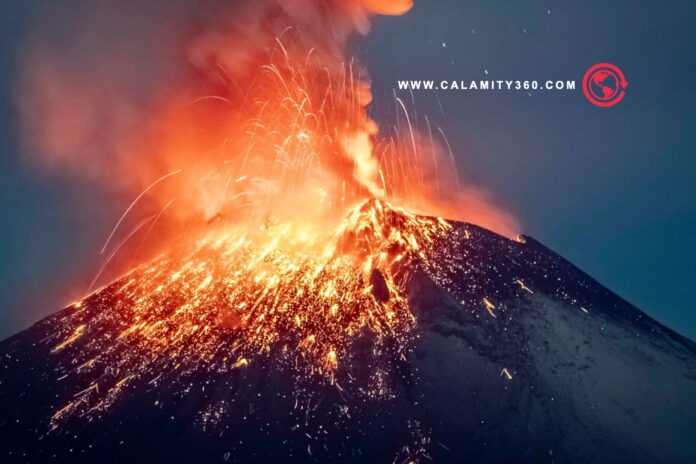

Living on the Edge of Fire Requires Constant Awareness
Living near an active volcano exposes residents to unpredictable hazards that can change rapidly without warning. Volcanic eruptions, ashfall, and lava flows pose immediate threats to life, property, and infrastructure. Being aware of these dangers and prepared for emergencies significantly increases the chances of survival.
Communities close to volcanoes often face secondary hazards such as landslides, mudflows, and flooding caused by melted snow or heavy rain. These events can occur hours or days after initial eruptions, complicating emergency response efforts. Understanding both primary and secondary risks helps residents prioritize safety measures and evacuation decisions.
Residents must remain vigilant by monitoring official advisories, geological reports, and local warning systems regularly throughout the year. Awareness of changes in the volcano’s behavior allows timely preparation for potential evacuations or protective actions. Complacency can be deadly, as volcanic activity can escalate suddenly and without much notice.
Education about volcanic hazards and community drills strengthens preparedness and builds confidence for rapid, coordinated action during emergencies. Families should discuss emergency plans, identify safe locations, and ensure everyone knows how to respond quickly. Practicing these measures can save lives when every second counts.
Ultimately, living near a volcano requires a combination of knowledge, readiness, and constant attention to environmental cues. Residents who integrate safety practices into daily routines are better equipped to face volcanic threats. Preparedness is the most reliable tool for minimizing danger and protecting lives.
1. Recognizing Early Signs of Volcanic Activity Before It Escalates
Residents living near volcanoes should learn to identify subtle tremors that often precede major eruptions. These small earthquakes can indicate magma movement beneath the surface and warn of increasing volcanic activity. Monitoring seismic activity regularly provides crucial early information for timely evacuation planning.
Smoke plumes rising from the crater or fissures signal that gases and heat are escaping from the volcano. Changes in color, density, or smell of the smoke may indicate shifts in eruption intensity. Residents should observe these signs while maintaining a safe distance from the vent areas.
Unusual gas emissions, such as sulfur dioxide or carbon dioxide, can be detected with specialized equipment or odor cues. Increased gas release often precedes explosive activity or lava flows, making early recognition essential. Families should be trained to understand these signs and report them to authorities promptly.
Minor eruptions, including small lava fountains or ash bursts, are warnings that the volcano is becoming more active. Even seemingly insignificant eruptions can escalate into larger events within hours or days. Observing these occurrences allows residents to implement emergency plans and gather essential supplies.
Changes in water sources, such as boiling springs or sudden discoloration, may indicate volcanic heating underground. These alterations can precede eruptions or trigger dangerous mudflows, putting nearby communities at risk. Residents should note any unusual water activity and follow official guidance immediately.
Cracks or bulges on slopes and surrounding land can signal magma accumulation and ground deformation. These physical changes are often subtle but critical indicators of volcanic instability. Careful observation combined with official monitoring helps residents recognize potential danger in time.
Animals sometimes react to increased volcanic activity, exhibiting unusual behavior, agitation, or fleeing from affected areas. Paying attention to livestock and pets can provide additional early warnings of escalating hazards. Observing wildlife behavior complements scientific monitoring and improves situational awareness.
Volcanic monitoring technology, such as seismographs, gas sensors, and satellite imagery, enhances detection of early warning signs. Residents should stay informed through official updates while learning to interpret simple indicators themselves. Combining scientific data with local observation increases the chances of safe evacuation.
Ultimately, recognizing early signs of volcanic activity equips residents to act before dangers escalate. Understanding tremors, smoke, gas emissions, and minor eruptions ensures timely decisions and safeguards lives. This awareness naturally connects to planning evacuation routes and identifying safe zones near the volcano.
2. Understanding Evacuation Routes and Safe Zones Around Your Area
Knowing official evacuation routes is essential for residents to move quickly and safely during volcanic emergencies. Maps provided by local authorities indicate primary and secondary paths designed to avoid lava flows and ashfall. Familiarity with these routes reduces confusion and prevents delays that could endanger lives.
High-ground locations or reinforced shelters provide the safest options when an eruption threatens nearby communities. Residents should identify multiple safe zones in case primary areas become inaccessible due to lava or debris. Planning ahead ensures families and neighbors know exactly where to go during emergencies.
Routes should be practiced during drills to ensure speed and efficiency in real situations. Walking or driving through these paths in advance helps residents recognize landmarks and potential obstacles. This preparation builds confidence and reduces panic during actual evacuation scenarios.
Alternative routes are critical because eruptions can block roads, bridges, or pathways unexpectedly. Residents must remain flexible and adapt to changing conditions while prioritizing safety. Knowledge of multiple options ensures escape is possible even under unpredictable circumstances.
Community centers, schools, and emergency shelters are strategically located along evacuation routes for quick access. Residents should familiarize themselves with the facilities, capacity limits, and services available during emergencies. This knowledge allows for faster decision-making when choosing the safest destination.
Signage and local warning systems guide residents during evacuations, especially in low visibility from ash or smoke. Paying attention to these indicators prevents getting lost or entering hazardous zones. Combining these cues with preplanned routes enhances overall safety and response efficiency.
Families should create a communication plan to coordinate movements and meet at designated safe zones. Everyone must understand the plan, including children, elderly family members, and neighbors needing assistance. Clear coordination ensures no one is left behind during a rapid evacuation.
Regularly updating evacuation knowledge is crucial as new developments or changes in volcanic activity occur. Residents must stay informed through official advisories, community meetings, and emergency alerts. Remaining current on routes and safe zones strengthens readiness and reduces potential hazards.
Ultimately, knowing evacuation routes and safe zones allows residents to respond swiftly and confidently. Awareness of paths, shelters, and alternatives directly improves survival odds. This knowledge naturally supports preparing emergency kits and maintaining vigilance against volcanic hazards.
3. Preparing Emergency Kits with Essentials for Volcanic Disasters
Residents living near active volcanoes must have emergency kits ready to respond quickly during sudden eruptions. Kits should include clean water, non-perishable food, flashlights, batteries, and essential medications to sustain families. Having these supplies accessible reduces the time needed to gather resources during urgent evacuations.
Protective clothing, such as long-sleeved shirts, pants, gloves, and sturdy shoes, shields skin from hot ash and debris. Respiratory masks or cloth coverings help prevent inhalation of ash particles, which can damage lungs and cause breathing difficulties. Including eye protection like goggles safeguards vision from airborne volcanic materials.
Emergency kits should also contain communication tools, including a battery-powered radio and fully charged mobile devices. These items allow residents to receive alerts, contact family members, and coordinate with emergency services effectively. Keeping extra chargers and backup power sources ensures continuous communication during extended power outages.
Important documents, identification, and insurance papers should be stored in waterproof containers within the kit. These items are vital for recovery after an eruption and help residents access assistance quickly. Copies of medical prescriptions and emergency contact lists should also be included.
First aid supplies such as bandages, antiseptic, pain relievers, and burn treatments are essential for treating minor injuries. Families should regularly check and replenish these items to maintain readiness. Knowledge of basic first aid procedures complements the physical supplies in responding to volcanic hazards.
Children’s needs must be addressed, including snacks, water, clothing, and comfort items to reduce anxiety during emergencies. Elderly or disabled family members may require additional medication, mobility aids, or assistance equipment. Preparing kits with individual needs in mind ensures no one is left vulnerable.
Residents should maintain multiple kits in accessible locations, including homes, workplaces, and vehicles. This strategy ensures availability during rapid evacuation or if one location becomes inaccessible. Redundant kits provide flexibility and increase survival chances in unpredictable situations.
Regularly updating kits is essential, including rotating perishable food, replacing expired medications, and checking batteries. Seasonal changes may require adjusting clothing or protective gear to maintain effectiveness. Staying proactive ensures emergency kits remain reliable when volcanic threats emerge.
Ultimately, well-prepared emergency kits empower residents to respond quickly and safely to volcanic disasters. Proper supplies, tailored to individual needs, reduce panic and improve overall survival odds. Kits complement evacuation plans and early warning awareness to create comprehensive readiness for eruptions.
4. Protecting Property and Reducing Risk From Lava, Ash, and Rocks
Residents near active volcanoes can safeguard homes by reinforcing roofs, doors, and windows against ash and falling debris. Strengthening structural supports reduces the likelihood of collapse during heavy ashfall or minor rockfalls. Even small improvements can significantly decrease property damage during volcanic events.
Clearing debris and vegetation around the home helps prevent fire hazards and reduces obstacles during evacuation. Loose rocks, fallen branches, and flammable materials can exacerbate risks if left unmanaged. Regular maintenance of yards, driveways, and pathways ensures safer movement when emergencies occur.
Installing barriers or retaining walls can redirect small lava flows or falling rocks away from critical structures. While not foolproof against large eruptions, these measures provide added protection and time for evacuation. Community-wide barriers can also help limit damage to multiple properties in the same area.
Roofing materials should be fire-resistant, and gutters must be cleared to prevent ash accumulation from causing structural collapse. Ash is heavy when wet and can overwhelm weak roofs, creating dangerous situations for residents. Properly reinforced roofs increase resilience during prolonged ashfall events.
Sealing windows, vents, and doors minimizes ash infiltration into homes, protecting indoor air quality and reducing cleaning efforts. Ash can damage electronics, appliances, and HVAC systems if allowed to accumulate indoors. Using protective coverings on valuable items further reduces potential losses.
Temporary sandbags or movable barriers can provide additional protection for entry points or vulnerable areas. These measures help slow debris movement and provide short-term security before professional assistance arrives. Residents should position barriers carefully to avoid blocking evacuation routes.
Securing outdoor furniture, vehicles, and loose equipment prevents them from becoming hazardous projectiles during volcanic eruptions. Wind or minor eruptions can turn these objects into dangerous flying debris. Properly anchoring items around the property minimizes risks to both people and structures.
Residents should develop a plan for property inspection and recovery after volcanic activity subsides. This includes assessing structural damage, documenting losses, and safely removing debris. Early evaluation enables faster repairs and reduces long-term hazards from unstable materials.
Ultimately, protecting property requires a combination of structural reinforcement, debris management, and proactive safety measures. These steps complement emergency preparedness and evacuation planning to ensure residents remain safe. Reducing risks around homes strengthens community resilience against volcanic threats.
5. Staying Informed Through Reliable Alerts and Community Networks
Residents near active volcanoes must rely on official alerts to respond promptly to changing volcanic conditions. Government agencies issue warnings through sirens, text alerts, and radio broadcasts to ensure timely evacuation. Following these instructions carefully can prevent confusion and reduce exposure to hazards during eruptions.
Local radio stations provide continuous updates on volcanic activity, road closures, and safe zones for residents. Battery-powered or hand-crank radios are essential when electricity and internet services are interrupted. Staying tuned to these sources ensures families receive accurate information even in power outages.
Community networks, such as neighborhood watch groups or local volunteer teams, help spread warnings quickly among residents. Sharing information with neighbors ensures that vulnerable individuals, including the elderly or disabled, receive help promptly. These networks reinforce official alerts and enhance overall community safety during emergencies.
Social media channels maintained by government agencies can supplement traditional alerts, providing real-time updates and evacuation instructions. Residents must verify sources to avoid misinformation that could compromise safety. Combining official alerts with community networks creates a reliable communication web during volcanic crises.
Households should establish a family communication plan to coordinate actions and meet at designated safe points. Everyone should know whom to contact and where to gather if separated during an eruption. Regularly practicing these communication routines strengthens readiness and prevents panic under stressful conditions.
Understanding the alert levels, such as advisory, watch, and warning, helps residents gauge urgency and respond appropriately. Knowing what each alert entails ensures decisions are based on accurate assessment of volcanic risks. This knowledge allows for timely evacuation or protective measures without hesitation.
Residents should maintain multiple ways to receive alerts, including phones, radios, and neighbors’ networks. Redundancy ensures that information reaches everyone even if one system fails or becomes overloaded. This approach maximizes situational awareness and minimizes the risk of being uninformed during a crisis.
Education on local hazards, past eruption patterns, and potential evacuation challenges empowers residents to interpret warnings correctly. Community workshops and drills help people understand the practical implications of alerts and how to act quickly. Prepared residents are more confident and capable when volcanic activity intensifies.
Ultimately, staying informed through official alerts and community networks enables residents to act decisively and safely. Combining timely warnings with communication planning strengthens personal and community resilience. Awareness and connection save lives when volcanic hazards strike unexpectedly.
6. Helping Vulnerable Neighbors and Maintaining Community Safety Plans
Supporting vulnerable neighbors is essential during volcanic emergencies to ensure no one is left behind. Elderly residents, people with disabilities, and those with limited mobility often require assistance to evacuate safely. Coordinating help with family, friends, and community members strengthens overall preparedness and reduces individual risk.
Creating a neighborhood safety plan allows residents to assign roles and responsibilities for emergencies. Teams can organize transportation, share emergency kits, and check on those needing additional support. Clear planning prevents confusion and ensures efficient responses during the heightened stress of volcanic activity.
Residents should establish a roster of vulnerable individuals and identify the resources they may require. This includes medical equipment, medications, or mobility aids that must accompany them during evacuation. Preparing in advance prevents delays and ensures these residents receive timely help.
Community drills can incorporate assistance strategies for vulnerable populations, allowing volunteers to practice coordinated evacuation techniques. Simulated exercises reveal gaps in preparedness and help refine procedures for real-life scenarios. Residents gain confidence in supporting each other during high-pressure situations.
Sharing resources, such as emergency kits, vehicles, or communication devices, enhances safety for all residents. Pooling equipment ensures everyone has access to essentials, even when individual households are limited. Cooperation increases resilience and reduces panic during unpredictable volcanic events.
Neighbors should maintain open communication channels to quickly disseminate information and alerts throughout the community. Phone trees, messaging apps, or designated meeting points help spread urgent updates efficiently. Timely communication enables faster mobilization and reduces the risk of anyone being overlooked.
Assigning backup volunteers ensures that assistance continues even if primary helpers are unavailable or overwhelmed. Redundancy in support plans increases reliability and maintains consistent safety measures for all residents. Everyone in the community benefits from a well-coordinated, dependable network.
Education and awareness sessions teach residents how to safely assist others without compromising personal safety. Volunteers should understand potential hazards, proper lifting techniques, and safe transport methods during evacuations. Knowledgeable helpers reduce injuries and improve the overall effectiveness of community safety efforts.
Ultimately, helping vulnerable neighbors and maintaining safety plans creates a stronger, more resilient community. Teamwork, shared resources, and coordinated action protect lives when volcanic hazards threaten unexpectedly. Collaboration ensures no one faces danger alone and reinforces a culture of preparedness.
7. Practicing Drills and Emergency Procedures to Build Confidence and Speed
Regular drills help residents near active volcanoes respond quickly and confidently when danger arises. Rehearsing evacuations familiarizes everyone with routes, timing, and necessary precautions, reducing confusion under stress. Practicing repeatedly builds muscle memory, making actions almost automatic during real emergencies.
Role-playing different scenarios, such as sudden ashfall or blocked evacuation routes, prepares residents for unexpected complications. Residents learn how to make quick decisions, choose alternative paths, and help others safely. These exercises highlight potential hazards that may not be obvious during routine planning.
Involving all household members, including children and elderly relatives, ensures everyone knows their responsibilities during evacuations. Each person should practice specific tasks, such as securing pets, gathering essential items, and checking on neighbors. Shared understanding improves coordination and minimizes delays when every second counts.
Community-wide drills strengthen collective response, allowing multiple households to practice simultaneous evacuations. These exercises reveal bottlenecks, communication gaps, and logistical challenges in real-time scenarios. Lessons learned can guide improvements in evacuation plans and community safety protocols.
Identifying alternative escape routes is critical when primary paths become blocked or unsafe. Residents should explore high ground, secondary roads, and public shelters in advance. Knowing multiple options reduces reliance on a single route and increases survival chances.
Simulations should include realistic obstacles, such as debris, power outages, and poor visibility from ash clouds. Practicing under challenging conditions improves adaptability and problem-solving during actual volcanic events. Residents gain confidence in navigating unpredictable circumstances safely.
Regular review and updates of emergency procedures keep plans current with changing conditions and infrastructure. New residents, construction, or altered landscapes may require adjustments to existing routes. Keeping procedures up to date ensures ongoing relevance and effectiveness.
Training residents to respond calmly and efficiently reduces panic and injuries during eruptions. Confidence gained from drills enables faster evacuation and better decision-making under pressure. Continuous practice reinforces both personal and community readiness for volcanic hazards.
Ultimately, practicing drills and emergency procedures empowers residents to act decisively and safely when threats emerge. Prepared individuals contribute to a resilient community where everyone can navigate volcanic hazards effectively. Repetition, adaptability, and awareness form the foundation of effective emergency response.
Building Lifelong Volcanic Safety Habits Beyond Immediate Threats
Residents living near volcanoes must treat preparedness as a continuous part of daily life. Maintaining awareness of volcanic activity, local alerts, and evacuation procedures ensures ongoing safety. Habits formed during drills and planning become second nature when emergencies occur.
Regularly checking emergency kits, updating supplies, and replacing expired items reinforces readiness for sudden eruptions. Reviewing evacuation routes and safe zones periodically helps residents adapt to changing landscapes or infrastructure. Staying proactive reduces panic and strengthens confidence in handling volcanic hazards effectively.
Community engagement fosters shared responsibility and reinforces personal preparedness through collective awareness and collaboration. Participating in local workshops, drills, and communication networks keeps everyone informed and connected. Knowledge shared among neighbors improves resilience and ensures support for the most vulnerable residents.
Integrating volcanic safety into everyday routines, such as keeping emergency contacts handy and monitoring news updates, enhances long-term protection. Residents should incorporate preventive measures into home maintenance and personal planning consistently. These ongoing actions reduce risk and build a culture of vigilance over time.
Ultimately, cultivating lifelong safety habits transforms preparedness from occasional activity into instinctive behavior. Continuous awareness, planning, and practice ensure residents can respond effectively to volcanic threats at any moment. Consistency and vigilance make communities safer and resilient beyond immediate danger.

CALAMITY360.com delivers global news and safety insights on earthquakes, tsunamis, volcanic eruptions, floods, wildfires, storms, and tornadoes. It provides timely updates, expert tips, and disaster-readiness information to foster awareness, preparedness, and resilience across communities worldwide.