
Climate Crossroads as Warming Pressures Intensify Globally
Temperatures are climbing at rates that outpace previous scientific projections. Oceans are absorbing immense heat, altering currents and ecosystems worldwide. Governments are confronting the reality that climate change is no distant abstraction.
Scientists warn that tipping points are drawing closer as ice sheets melt and forests die. These thresholds risk unleashing cascading impacts that would reshape coastlines and agriculture. Such changes would test political systems and humanitarian response capacity. Economic models show the mounting cost of extreme weather events with growing clarity.
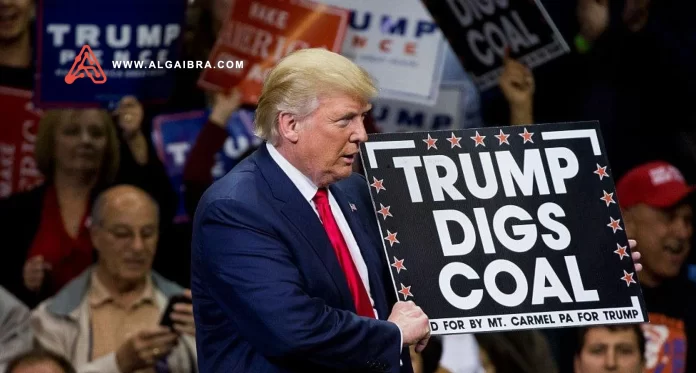
The withdrawal of the United States from major climate treaties lands amid these intensifying pressures. Trump’s exit from the global stage sends a signal that upends decades of climate diplomacy. The move does not alter the physics of a warming planet or the biology of stressed ecosystems. It instead shapes the political environment in which solutions must be negotiated. Allies view the decision as a retreat from shared responsibility and strategic leadership.
The decision matters for scientific reasons and geopolitical ones. It affects how nations coordinate adaptation plans and energy strategies. It also influences investment decisions as capital seeks certainty. Trump’s disengagement leaves a vacuum that others are already eager to fill.
A Familiar US Retreat as the World Pushes Forward on Climate
The United States has stepped away from climate cooperation before. The pattern left other nations frustrated but determined. The same dynamic is unfolding again under Trump.
During the Kyoto era, the Senate blocked ratification and stalled progress. The blockade did not end the treaty, which entered into force in 2005. Governments continued emissions reporting and planning. The exclusion of the United States proved inconvenient rather than fatal.
Under George W Bush, the United States attended climate talks but regularly slowed them. Many nations came to expect obstruction from Washington during every negotiation. Their patience wore thin as impacts mounted. Other governments developed strategies that did not rely on American enthusiasm.
When Trump abandoned the Paris Agreement in his first term, many feared a cascade of withdrawals. The cascade never materialized because the agreement had already built broad legitimacy. Europe, China, and the global south reaffirmed their commitments. The movement for climate cooperation widened rather than narrowed. The exit only highlighted the growing gap between US politics and global scientific consensus.
That history matters as Trump escalates withdrawal to the level of treaties and scientific bodies. Nations have learned to build coalitions without waiting for the United States to act first. The shift can be seen in climate finance initiatives and technology partnerships. It can also be seen in coordinated diplomatic pressure for loss and damage funds. These efforts reflect a maturing system that no longer treats Washington as indispensable.
This time, Washington’s retreat is met with visible confidence from other capitals. African policymakers argue that climate justice does not hinge on American signatures. European leaders are drawing lessons from past US unreliability. Asian economies are positioning themselves to capitalize on the low carbon transition. South American nations are advancing regional adaptation strategies and climate aligned trade policies.
The global refusal to follow Trump out the door underscores a structural change in climate governance. The center of gravity has shifted from reliance on a single superpower to distributed networks of states. The transition gained momentum as the costs of climate inaction continued to rise. Trump’s actions highlight the divergence between domestic politics and global economic reality. The world is moving ahead because delay offers no safe or profitable future.
The Economic Center of Gravity Tilts to Low Carbon Growth
The global economy is recalibrating around clean energy technologies. Capital is flowing toward sectors that promise stability and future competitiveness. Investors see structural growth rather than a fleeting policy trend.
Renewable energy investment now surpasses fossil fuel investment by significant margins. Solar and wind costs have fallen sharply over the past decade. Electricity from new renewables is frequently cheaper than coal. These cost dynamics alter utility planning and national energy strategies.
Electric vehicles are reshaping automotive markets and supply chains worldwide. Battery factories are expanding as governments mandate cleaner transportation. Charging infrastructure is accelerating across major population centers. Carmakers are shifting research budgets toward electrification and software integration. Traditional engine platforms are losing market share and strategic relevance.
Clean technology is also creating an export boom among manufacturing hubs. China’s low carbon goods and services are reaching markets across the global south. Europe is deploying carbon border policies that favor cleaner production. Southeast Asian economies are investing in renewable manufacturing clusters. These shifts strengthen trade relationships built around future industries.
The low carbon transition is not driven solely by environmental concerns. Nations view it as an opportunity for economic modernization and energy security. Fossil fuels introduce volatility through geopolitical tensions and price shocks. Renewable energy reduces exposure to foreign supply disruptions. Governments recognize strategic benefits that extend far beyond emissions targets.
With these forces in motion, Trump’s withdrawal from global climate cooperation appears disconnected from market realities. The United States risks fading from the center of emerging industries that define twenty first century growth. Allies are adjusting investment plans without waiting for Washington to reengage. Competitors are capturing opportunities the United States helped create but no longer champions.
China Emerges as the Clear Beneficiary of US Absence Abroad
China is leveraging the United States’ retreat to expand influence in global climate markets. Its government actively supports domestic firms producing solar panels and wind turbines. These exports now reach a wide array of developing nations seeking affordable clean energy.
Partnerships with countries in Africa, Latin America, and Southeast Asia are strengthening trade ties. Chinese firms offer financing, technology, and infrastructure support for renewable projects abroad. Recipient nations are gaining energy capacity while building long-term dependency on Chinese expertise. China’s approach positions it as a leader where the United States has withdrawn.
The Belt and Road Initiative increasingly includes climate-aligned investments. Renewable power plants, electric transportation infrastructure, and grid modernization projects feature prominently. These initiatives reinforce China’s economic and diplomatic footprint. The United States’ absence allows China to claim leadership in multilateral negotiations.
China’s domestic clean technology market fuels its international competitiveness. Massive investment in battery production and renewable manufacturing underpins exports. The scale and efficiency of Chinese companies challenge competitors in Europe and Asia. This momentum makes China a crucial partner for global south nations.
China is also influencing climate diplomacy through regional forums and international summits. It advocates for financing mechanisms and technology transfer to developing countries. Its proposals often shape policy debates in forums formerly dominated by Western powers. Global south nations increasingly see China as a reliable climate partner.
Chinese banks provide low interest loans for renewable projects in nations excluded from Western financing. This expands China’s geopolitical leverage while accelerating decarbonization in regions with limited capital. Governments welcome Chinese engagement that aligns with both economic and climate goals. Chinese influence grows where American leadership retreats.
Trade in low carbon goods is projected to increase steadily over the next decade. China’s dominance in solar, wind, and electric vehicle supply chains continues to widen. Competitors must invest heavily to maintain market share and technological relevance. The United States risks being sidelined from emerging economic networks that define the twenty first century.
By capitalizing on the United States’ disengagement, China strengthens both market power and diplomatic influence. The shift illustrates how economic opportunity often follows political vacuums. Allies and competitors are adjusting strategies to align with China’s growing role. The global landscape is evolving while the United States remains on the sidelines.
American Households Face a Rising Domestic Cost Burden
Extreme weather events are increasing in frequency and severity across the United States. Wildfires, hurricanes, and floods are inflicting billions of dollars in damages annually. Families face mounting costs for rebuilding and temporary relocation after disasters strike.
Insurance companies are withdrawing coverage in high-risk regions, leaving homeowners exposed. Policies in coastal and wildfire-prone areas are becoming unaffordable or unavailable. Residents must either pay higher premiums or assume full financial responsibility. The result is a growing vulnerability for millions of Americans.
Agriculture is under immense strain as droughts, floods, and pests reduce crop yields. Farmers face financial instability while food prices rise in response to production losses. Rural economies dependent on farming are experiencing increased economic pressure. Government aid is often delayed, leaving local communities to shoulder immediate impacts.
Energy costs fluctuate as extreme events disrupt power generation and supply chains. Renewable energy adoption offers potential relief but requires upfront investment. Infrastructure damage from storms and heat waves drives repair costs higher. The financial burden extends beyond households to businesses and local governments.
Public health is also threatened by climate-driven disasters. Heatwaves increase hospital admissions and strain emergency services. Water contamination and wildfire smoke compound risks for vulnerable populations. Urban centers face additional challenges managing population density and infrastructure stress. Emergency response systems struggle to keep pace with growing demands.
Even politically, American households are caught in a contradictory situation. National withdrawal from climate treaties does not shield residents from physical risks. Communities continue to experience the consequences of climate change regardless of policy retreat. Local governments often implement mitigation measures but face funding and resource constraints. Residents must navigate growing hazards with limited national support.
Financial markets are adjusting to climate risk, affecting mortgages, loans, and investment portfolios. Property values decline in areas exposed to flooding or wildfire threats. Banks and investors increasingly factor climate exposure into lending decisions. Americans’ long-term wealth and security are increasingly linked to environmental conditions.
The irony is that areas where political leadership withdraws from global cooperation are often the most vulnerable. Mar-a-Lago and other coastal regions face direct threats from sea level rise. Residents across the country cannot escape the physical and economic consequences of climate change. The United States’ retreat does not insulate households from mounting domestic pressures.
Legal and Diplomatic Knots That Could Outlast Trump’s Era
Withdrawing from treaties ratified by the Senate raises complex legal questions in the United States. The UN Framework Convention on Climate Change was ratified in 1992 with overwhelming bipartisan support. Some scholars argue a president cannot unilaterally override Senate approval.
If future administrations seek to rejoin, they may face procedural hurdles requiring two thirds Senate approval. Deep political polarization could make reentry difficult or impossible for decades. The legal ambiguity leaves climate policy vulnerable to executive interpretation. Diplomatic negotiations may stall as other nations question US reliability.
Trump’s memorandum cites withdrawal from funding and participation only to the extent permitted by law. This wording leaves ambiguity about treaty obligations and financial responsibilities. Allies and multilateral organizations must navigate unclear commitments. The lack of clarity undermines long term planning and cooperation.
The absence of a US delegation at annual UN climate summits signals a vacuum. Other countries are left to negotiate rules and funding priorities without American input. This shifts influence to other major emitters and coalitions. Emerging economies may gain leverage in shaping global climate norms.
Future presidents may struggle to reestablish credibility after prolonged withdrawal. Diplomatic trust, once lost, takes time and concessions to rebuild. Countries may seek alternative alliances and partnerships to hedge against American unpredictability. The vacuum encourages regional powers to fill leadership roles.
Legal scholars debate whether a Senate ratified treaty can be suspended through executive action alone. The uncertainty could create precedents for other international agreements. Withdrawal without formal ratification challenges traditional separation of powers norms. Domestic courts may face disputes over the scope of presidential authority.
Even if the United States rejoins in the future, it may encounter financial and strategic obligations accrued during absence. Nations that adapted without US participation will resist renegotiation. The country may need to provide compensatory funding for projects missed or delayed. These requirements could constrain domestic budgets and policy flexibility.
Ultimately, US withdrawal creates both legal and diplomatic knots that extend beyond Trump’s term. The country’s absence reshapes multilateral negotiations, influence, and long term trust. Allies and competitors alike adjust strategies around a prolonged period of American disengagement. The ramifications may persist for decades unless clear and consistent reengagement occurs.
A Self Inflicted Strategic Wound With No Global Dividend
Trump’s withdrawal from global climate agreements weakens the United States’ political influence abroad. Other nations are stepping forward to set agendas, standards, and investment priorities. The United States loses a seat at the table where twenty first century decisions are made.
Economically, the low carbon transition continues without US leadership or participation. Investment in renewables, electric vehicles, and clean technology is growing across Asia, Europe, and the global south. American industries risk falling behind as competitors capture emerging markets. Domestic firms face uncertainty while global markets reward innovation and early adoption.
Environmental consequences compound political and economic setbacks for Americans. Extreme weather, rising sea levels, and disrupted agriculture impose mounting costs on households and governments. The country’s retreat does not slow climate change but increases domestic vulnerability. Communities face higher insurance premiums, infrastructure stress, and unpredictable energy supply. Americans confront the tangible effects of inaction despite political disengagement.
The global momentum toward clean energy and climate resilience continues independently of Washington. The United States is poorer, riskier, and increasingly sidelined in shaping the future. Diplomatic, economic, and environmental gaps widen as allies and competitors advance. Trump’s actions may offer short term political gain, but long term consequences threaten national security and prosperity.

CALAMITY360.com delivers global news and safety insights on earthquakes, tsunamis, volcanic eruptions, floods, wildfires, storms, and tornadoes. It provides timely updates, expert tips, and disaster-readiness information to foster awareness, preparedness, and resilience across communities worldwide.