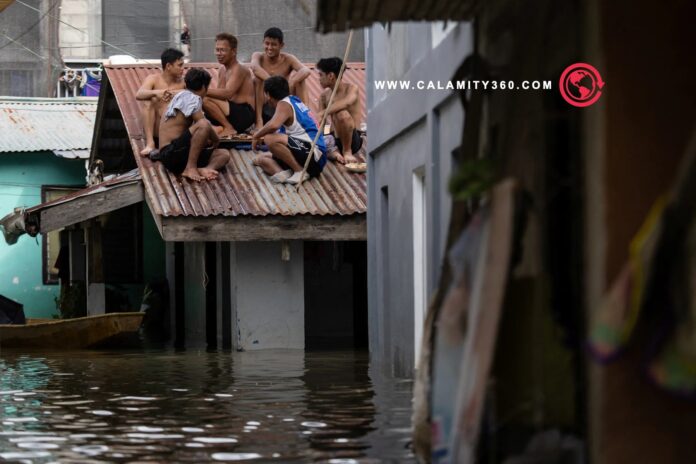

When Flood Risks Are Ignored Until Lives Are at Stake
Floods remain deadly because warnings are ignored, risks are underestimated, and preparation is repeatedly delayed. Past disasters show familiar patterns of hesitation, confusion, and misplaced confidence before waters rise. Despite lessons from previous events, communities continue repeating choices that place lives in danger.
Extreme rainfall, aging infrastructure, and rapid urban growth have intensified flooding impacts across many regions. Water now rises faster, drains fail sooner, and escape routes disappear with alarming speed. These conditions leave little room for error once storms overwhelm natural and engineered defenses. Yet many people still rely on assumptions shaped by outdated experiences rather than current realities.
This article confronts the uncomfortable truth that many flood deaths stem from preventable human mistakes. Warnings often arrive, but they fail to change behavior when risks feel distant or familiar. Understanding these patterns is essential for breaking cycles that repeat tragedies every single year.
The purpose here is not fear, but clarity about choices that quietly escalate danger. By examining common flood safety mistakes, readers can recognize warning signs before consequences become irreversible. Each mistake discussed reflects decisions made under stress, misinformation, or misplaced confidence. Awareness transforms survival from chance into a deliberate outcome shaped by informed action.
1. Underestimating How Fast Rising Water Can Become Deadly
After ignoring earlier warnings, many people assume floodwater rises gradually, offering generous time for decisions. That belief persists because past experiences felt manageable, reinforcing confidence that escape will remain possible. Unfortunately, modern flooding often behaves differently, accelerating faster than intuition or memory suggests.
Heavy rainfall can overwhelm drainage systems within minutes, sending water surging through streets and homes. Once channels clog or rivers spill, water levels can rise inches in seconds. People waiting for visual cues often realize danger too late to react safely. This delay turns ordinary locations into traps with no clear escape options.
Flash floods are especially deceptive because skies may appear calm before torrents suddenly arrive. Water racing downhill gathers speed, force, and debris that magnify its destructive power. Even shallow flows can knock adults off balance when currents intensify unexpectedly. Vehicles stall quickly as water enters engines, leaving occupants stranded amid rising currents. What seemed survivable moments earlier transforms into a lethal environment without warning.
Urban development worsens this threat by replacing absorbent ground with concrete and asphalt. Runoff concentrates rapidly, pushing water toward low areas where people still hesitate. Rural regions face similar risks when creeks overflow fields and roads without notice. In both settings, speed becomes the defining factor that determines survival outcomes.
Emergency alerts frequently stress urgency, yet many interpret them as early cautions only. This misunderstanding delays action while water continues rising beyond controllable levels quickly. By the time seriousness registers, exits may already be submerged or impassable. Families then face impossible choices under pressure, confusion, and worsening conditions rapidly. Early movement remains the most reliable defense against floods that escalate without mercy.
Transitioning from awareness to action requires abandoning the assumption that time is available. Recognizing speed as the primary danger reshapes how people evaluate risk signals. This mindset builds on earlier lessons about ignored warnings and delayed decisions.
Communities that practice rapid evacuation drills respond faster when real flood events unfold. Training replaces hesitation with muscle memory, reducing reliance on flawed judgment patterns. These habits counter the instinct to wait for confirmation while danger accelerates.
Ultimately, floods punish delay more severely than most natural hazards people encounter. Accepting how quickly water turns deadly reframes preparedness as an immediate responsibility. This understanding connects directly to the previous discussion on ignored risks becoming fatal. Speed awareness sets the foundation for avoiding the next common flood safety mistake.
2. Assuming Shallow Floodwater Is Safe to Walk Through
Building on how floods escalate quickly, many people believe shallow water remains harmless. This assumption feels logical because ankles often handle rain runoff without serious consequences. During floods, however, conditions change rapidly beneath the surface and defy everyday experience.
Even ankle deep floodwater can carry powerful currents that destabilize balance instantly. Moving water exerts sideways force, making footing unreliable for children, adults, and pets. Once balance breaks, swift water pulls bodies toward deeper areas without warning.
Shallow floodwater also conceals open drains, broken pavement, and sudden drop offs. Murky conditions prevent seeing hazards until feet slip into dangerous voids unexpectedly. Urban flooding worsens this risk as infrastructure failures expose sharp edges and fast flows. Rural areas hide similar threats when erosion undermines soil and creates unseen channels.
Debris adds another invisible danger to water that appears calm and shallow. Branches, wires, glass, and metal fragments drift just below the surface unseen. A single step can result in cuts, infections, or entanglement injuries quickly. These injuries reduce mobility precisely when fast movement is essential for survival.
Many flood deaths begin with a confident decision to walk short distances. People attempt crossings to retrieve items, reach vehicles, or check neighbors nearby. Each step increases exposure time to unstable footing and increasing current pressure. Once swept off balance, regaining control becomes extremely difficult without assistance nearby. Bystanders rarely can help safely, multiplying tragedy through attempted rescues nearby quickly.
This mistake connects closely to earlier warnings about speed and underestimated flood escalation. Shallow depth creates false reassurance that time remains available for cautious movement. In reality, water depth and force can change between steps suddenly fast. Waiting for visual confirmation of danger often delays action beyond safe limits. Recognizing this pattern helps people act sooner rather than testing conditions dangerously.
Public safety campaigns repeat simple guidance because this error remains widespread globally. Still, familiarity with streets and sidewalks convinces residents hazards are manageable there. Floodwater disguises familiar places, removing reference points people depend on daily normally.
Avoiding shallow water crossings requires accepting that appearances cannot be trusted ever. Choosing higher ground or waiting for clearance protects lives and emergency responders. This lesson reinforces earlier sections emphasizing early movement and decisive evacuation choices. Respecting shallow water risks prevents repeating one of the most lethal flood mistakes.
3. Waiting Too Long Before Deciding to Evacuate
Following the danger of shallow water, hesitation often begins during early flood warnings. Many people delay evacuation believing conditions will improve or stabilize naturally soon. This false confidence grows when skies clear briefly or rainfall pauses temporarily.
Early warnings are designed to provide time, yet many interpret them as optional suggestions. People wait for visible flooding before acting, assuming evacuation will remain possible later. By then, familiar routes may already be compromised or entirely blocked suddenly.
Delays often stem from attachment to property, livestock, or unfinished responsibilities at home. People convince themselves they can handle one more task before leaving safely. Each added minute reduces the margin for error as water spreads rapidly. Traffic congestion and panic escalate once evacuation orders become urgent quickly regionwide.
Waiting also assumes emergency services will remain available despite worsening conditions outside. In reality, responders may be overwhelmed or unable to reach trapped residents. Late evacuation attempts place additional strain on limited rescue resources locally available. This cycle increases overall risk for families and emergency personnel alike nationwide.
Once roads flood, exits disappear faster than most people expect during storms. Vehicles stall easily in shallow water, blocking lanes and trapping occupants inside. Pedestrians face currents, debris, and darkness when power fails simultaneously nearby areas. What seemed like a cautious delay becomes a life threatening gamble suddenly. Earlier departure would have preserved multiple safe options and calmer conditions overall.
Psychology plays a powerful role in delayed evacuation decisions during emergencies nationwide. Normalcy bias convinces people tomorrow will resemble yesterday despite clear warnings issued. Others fear embarrassment from leaving early more than unseen flood dangers ahead. These mental shortcuts delay action until choices narrow dangerously fast during floods. Recognizing these patterns helps families override hesitation and act sooner together safely.
Clear evacuation plans counter hesitation by defining triggers that require immediate departure. Predetermined routes and destinations reduce decision stress during escalating emergencies nationwide events. Practicing these plans builds confidence to leave before conditions deteriorate rapidly outside.
Hesitation links directly with earlier mistakes involving shallow water and false visual cues. Both rely on waiting for proof instead of trusting forecasts and warnings. Leaving early remains one of the simplest actions that consistently saves lives.
4. Driving Through Flooded Roads Despite Visible Warning Signs
Many drivers wrongly assume their vehicles can handle even modest floodwaters. Visible signs are often ignored due to overconfidence. This misjudgment frequently leads to sudden emergencies.
Some believe that heavier vehicles provide protection against moving water. Unfortunately, water pressure easily overcomes tires, brakes, and weight. Even SUVs and trucks are not immune to currents.
Flooded roads conceal numerous hazards below the waterline. Washed-out pavement, hidden debris, and open drains create instant dangers. Drivers cannot accurately judge road stability visually. Remaining unaware increases the risk of accidents dramatically.
Misjudging water depth can cause vehicles to stall or flip unexpectedly. People often panic when trapped in a moving car. Emergency services face greater challenges rescuing multiple stranded vehicles simultaneously. Drivers must always anticipate unseen threats in murky waters.
Even shallow currents can sweep cars off roads in seconds. Vehicles that seem safe are quickly carried downstream. Attempting to drive through water is far more dangerous than waiting. Many fatal incidents occur in surprisingly low water depths.
Ignoring warning signs also endangers rescuers attempting to save trapped drivers. First responders are put at extreme risk during swift-water rescues. Following posted advisories prevents unnecessary strain on emergency resources. It also increases survival odds for everyone involved.
Authorities stress that no road should be crossed when covered by moving water. Turnaround decisions are always safer than testing unknown depths. Patience and awareness protect both drivers and surrounding communities. Making safe choices during floods saves lives and prevents trauma.
The best protection is strict adherence to guidance and caution. Flooded roads are unpredictable, and overconfidence is deadly. Every driver should respect warning signs and local advisories. Avoiding flooded routes entirely is far safer than risking a crossing.
5. Ignoring Official Alerts and Relying on Social Media Rumors
Many people assume social media posts provide accurate flood updates. Unfortunately, unverified information spreads quickly and can mislead entire communities. Relying on rumors delays critical safety decisions.
Emergency management agencies issue alerts based on verified data and real-time observations. Ignoring these warnings can result in being trapped or stranded. Official advisories also provide guidance for evacuation routes and shelter locations.
False reports often exaggerate or downplay risks, creating dangerous confusion. Some individuals follow unconfirmed instructions, leading them into flooded areas. This behavior increases both personal danger and strain on emergency responders.
Social media can amplify panic and misinformation during severe flood events. People may abandon proven safety practices in favor of trending posts. Decisions based on unverified content often have life-threatening consequences. Authorities repeatedly warn that official channels remain the most reliable sources.
Ignoring alerts also complicates rescue operations, as first responders face unpredictable scenarios. Rescues become slower when individuals fail to follow verified guidance. Adherence to official warnings ensures coordinated and safer evacuation efforts.
Communities with high reliance on social media over official alerts experience greater damage. Miscommunication contributes to unnecessary injuries, fatalities, and property losses. Following trustworthy channels improves preparedness and overall flood response. It also reduces misinformation-driven chaos during emergencies.
Families and individuals must establish direct connections with local emergency systems. Subscribing to text alerts, sirens, and government notifications increases awareness. Verified sources provide consistent, timely updates unlike unregulated online platforms. Being informed from reliable channels allows for faster, safer decisions.
Staying disciplined about alert sources is crucial during every flood. Ignoring official guidance in favor of rumors is a dangerous gamble. Trusting verified alerts helps protect lives, property, and community resilience. Every flood season emphasizes the importance of confirmed, accurate emergency information.
6. Failing to Identify Safe Ground Before Flooding Begins
Many individuals assume they can find safe areas during a flood without prior planning. This lack of preparation creates confusion and delays critical evacuation decisions. Wasting time during emergencies dramatically increases personal risk.
Pre-identifying higher ground and designated shelters ensures faster, safer responses when water levels rise. Families should map multiple routes and alternatives in case primary roads are blocked. This preparation prevents panic and unnecessary exposure to rising waters.
People often ignore flood maps and local advisories, believing flooding will avoid their location. Such assumptions lead to last-minute searches for safe destinations, creating dangerous delays. Emergency responders must then manage preventable rescues that strain resources and time.
Planning safe evacuation points ahead of time reduces chaos and improves survival rates. Knowing where to go allows immediate action when warnings are issued. Establishing a clear plan ensures family members understand roles, routes, and priorities.
Communities with well-communicated safe zones experience fewer injuries and fatalities during severe floods. Education on flood-safe areas reinforces preparedness habits among residents. Local authorities recommend practicing evacuation routes regularly to improve familiarity and response times.
Even short-term preparation, like marking nearby shelters and high ground, significantly increases safety margins. People should maintain updated contact lists and coordinate with neighbors during evacuations. Such planning ensures everyone can reach secure locations efficiently under stress.
Failing to prepare in advance also causes stress and poor judgment during emergencies. Disoriented individuals may attempt unsafe crossings or climb unstable structures. Preplanning destinations mitigates confusion, allowing rational decisions when floodwaters threaten homes and lives.
A proactive approach to identifying safe ground empowers communities and families alike. Awareness, mapping, and drills foster confidence and reduce risk. Proper preparation saves critical time and protects both life and property during floods.
7. Trying to Protect Property Instead of Prioritizing Personal Safety
Many people risk their lives attempting to salvage belongings during rising floodwaters. This behavior often results in injuries, drownings, or being trapped by fast-moving water. Prioritizing personal safety over material possessions is essential for survival.
Floodwaters can rise unpredictably, leaving no time to secure items safely. Individuals should evacuate immediately rather than re-entering hazardous areas for valuables. Even minor delays to save property can prove fatal during emergencies.
Insurance and recovery programs exist to replace lost belongings, but human life is irreplaceable. Rescuers often encounter avoidable hazards when people refuse to leave property behind. Focusing on survival prevents additional strain on emergency response teams and resources.
Children, the elderly, and pets are especially vulnerable when adults attempt to save possessions. Ensuring their safety should always take precedence over retrieving material goods. Decisions made under pressure must favor living family members and pets.
Authorities advise moving essential documents, medications, and emergency kits ahead of time to reduce temptation. Planning protective measures in advance minimizes the need for dangerous actions during floods. Proper preparation allows evacuation without risking life for replaceable property.
Even well-secured homes cannot guarantee safety during severe flooding, making evacuation the safer option. Floodwaters can carry debris, collapse structures, and generate strong currents capable of sweeping people away. Accepting temporary property loss is crucial to maintaining physical well-being.
Communities with strong safety messaging report fewer injuries from property-focused risk-taking. Public awareness campaigns emphasize that material losses are insignificant compared to personal survival. Consistently reinforcing these messages helps cultivate safer behaviors during flood events.
Ultimately, valuing life over possessions creates a culture of cautious and rational responses. Families and individuals should rehearse evacuation plans regularly to prevent panic-driven mistakes. Survival depends on prioritizing human life above all else when floods threaten.
8. Overlooking Electrical and Utility Hazards During Floods
Floodwaters can hide live electrical wires, posing serious risks of electrocution. Even partially submerged outlets or appliances can conduct dangerous currents. Avoiding contact with utilities during flooding is critical for personal safety.
Gas lines may become damaged or leak during rising waters, increasing the risk of explosions. Homeowners should turn off main utility switches only when it is completely safe. Entering flooded areas to manipulate utilities without proper precautions can be fatal.
Water can conduct electricity across floors, puddles, and debris, creating hidden hazards. People often underestimate how far electrical currents can travel through standing water. Staying away from flooded structures until utility services are confirmed safe is essential.
Utility companies and emergency responders provide guidance on restoring power and gas safely. Following official instructions prevents accidental shocks or fires after floodwaters recede. Attempting repairs independently during or immediately after a flood greatly increases injury risks.
Even low-voltage systems can cause severe injuries if contact occurs in water. Children and pets are especially at risk when electrical hazards are present in flooded homes. Clear barriers and warnings should be established around affected areas to prevent accidents.
Portable generators require careful placement to avoid carbon monoxide and electrical hazards. Generators must never be used indoors or near flooded areas, even briefly. Proper positioning outdoors ensures both safety and continued access to emergency power.
Emergency responders often see preventable accidents caused by neglecting utility safety during floods. Education campaigns stress avoiding all electrical and gas utilities until professionals inspect the property. Adhering strictly to these precautions dramatically reduces injuries and fatalities.
Remaining vigilant around utilities is as important as evacuating promptly during floods. Awareness, preparation, and disciplined avoidance of hazards ensure personal safety and survival. Prioritizing life over convenience prevents unnecessary accidents in high-risk flood conditions.
9. Returning Home Too Quickly After Waters Appear to Recede
Floodwaters may seem gone, but lingering contamination can make homes unsafe for residents. Bacteria, chemicals, and sewage in residual water pose serious health hazards. Entering too early exposes families to infections and other preventable illnesses.
Structures weakened by flood currents or saturated foundations may collapse unexpectedly. Floors, walls, and roofs can appear stable while underlying damage remains hidden. Careful inspection by professionals is necessary before resuming normal activities indoors.
Electrical systems and appliances can remain dangerous even after visible water disappears. Live wires or shorted circuits may cause shocks or fires during premature reentry. Utilities should not be turned on until certified safe by qualified personnel.
Debris, mud, and sediment left behind create slip, trip, and injury risks. Even experienced homeowners can misjudge stability and safety when rushing back indoors. Protective equipment like gloves and boots is essential when inspecting post-flood areas.
Mold and mildew growth accelerates within hours after flooding, causing respiratory issues. Immediate cleanup without proper safety measures can worsen health hazards instead of reducing them. Professional guidance on safe cleanup practices helps prevent long-term damage and illness.
Waterborne pests, including snakes and rodents, may inhabit flood-damaged structures. These animals can bite, sting, or carry disease, adding another layer of risk. Caution and vigilance are necessary even after floodwaters seem fully receded.
Community authorities often provide clearance notices or safety updates before residents return. Following official guidance ensures people avoid structural hazards and contaminated zones. Ignoring these advisories is a common and dangerous post-flood mistake.
Patience and careful assessment protect life and health after flooding events. Waiting for proper clearance and guidance minimizes injuries, infections, and property damage. Prioritizing safety over urgency ensures households recover without preventable accidents.
10. Neglecting Emergency Supplies That Enable Quick Evacuation
Many people delay preparing essential items, which slows evacuation and increases stress during floods. Without ready access to food, water, and medications, families face unnecessary risks. A well-stocked emergency kit ensures safety and supports swift decision making.
Important documents, including identification and insurance papers, are often overlooked during emergency planning. Losing these critical papers during a flood can complicate recovery and delay aid. Keeping them in waterproof containers helps preserve them for rapid access.
Portable communication tools, flashlights, and battery packs are vital during sudden evacuations. These items allow people to stay informed and coordinate movement effectively under chaotic conditions. Planning for portable supplies prevents being stranded without essential resources.
Transportation essentials such as vehicle fuel, maps, and evacuation routes are often ignored. Inadequate preparation may trap families in rising waters or congested roads. Preplanning routes and keeping vehicles ready significantly improves safe evacuation chances.
Special needs items, including medications, baby supplies, and pet necessities, must be included. Neglecting these can endanger vulnerable family members or animals during flood emergencies. A comprehensive kit accounts for everyone’s safety and comfort under stress.
Regularly checking and updating emergency supplies ensures they remain usable and sufficient. Food, water, and batteries degrade over time and must be rotated frequently. Consistent maintenance prevents last-minute shortages that could jeopardize evacuation efforts.
Community support items like first aid kits and basic tools are often forgotten. These tools can assist neighbors or provide temporary solutions when professional help is delayed. Being prepared with shared resources strengthens resilience for the entire household.
Preparedness directly influences speed and safety when floods strike without warning. Having emergency supplies ready empowers people to act decisively and reduces exposure to harm. Thoughtful planning transforms chaotic evacuations into controlled, life-saving actions.
Breaking the Cycle of Repeated Flood Safety Failures
Recognizing past flood mistakes is the first step toward safer responses during emergencies. Many people continue risky behaviors because they underestimate water dangers or ignore official warnings. Learning from these errors can transform reactive actions into proactive safety measures.
Replacing complacency with preparation requires understanding how floods progress and which choices save lives. Early evacuation, avoiding flooded roads, and securing essentials prevent needless injuries and property loss. Consistently practicing these habits ensures households remain safer during every flood event.
Families should create and rehearse evacuation plans tailored to their local geography and flood history. Knowing where to go, what to carry, and how to communicate reduces confusion under pressure. Reinforcing these plans with all household members strengthens collective readiness and confidence.
Community awareness and support are equally important, as neighbors often face the same flood risks. Sharing knowledge, resources, and emergency strategies enhances survival odds for everyone in the affected area. Collective action prevents repeated mistakes and fosters a culture of flood safety.
Ultimately, adopting informed behaviors turns lessons from previous floods into life-saving routines. Individuals who prioritize preparation, heed warnings, and plan carefully protect themselves and their families consistently. Transforming awareness into action ensures that past failures are not repeated in future floods.

CALAMITY360.com delivers global news and safety insights on earthquakes, tsunamis, volcanic eruptions, floods, wildfires, storms, and tornadoes. It provides timely updates, expert tips, and disaster-readiness information to foster awareness, preparedness, and resilience across communities worldwide.