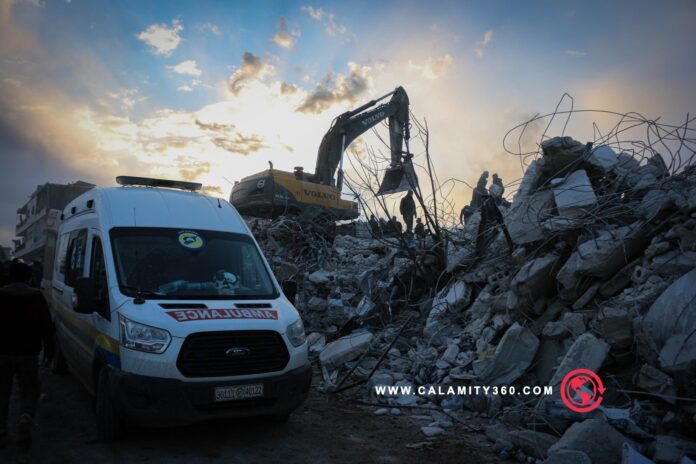

Common Mistakes That Turn Minor Quakes into Life-Threatening Situations
Many people underestimate the danger of earthquakes until they experience one. Misjudging risks often leads to panic and delayed responses. Understanding common mistakes helps individuals act more effectively when shaking begins.
Ignoring early warning signs can leave households unprepared for sudden tremors. Subtle vibrations or minor foreshocks often indicate larger seismic events may follow. Recognizing these signals allows for timely protective measures.
Relying solely on instinct without a plan increases the likelihood of injuries. Uncoordinated actions often create chaos, especially in crowded or multi-level buildings. Preparing strategies ahead of time ensures a safer and more organized response.
Believing earthquakes only occur in certain regions can be dangerous. Seismic activity can strike unexpected areas, including regions with infrequent or minor tremors. Awareness of local and regional hazards is crucial for proactive preparedness.
Overconfidence in building safety often leads to neglecting small structural vulnerabilities. Cracks, loose fittings, or poorly reinforced areas may fail during shaking. Addressing these issues ahead of time can prevent accidents and property damage.
Understanding these common pitfalls allows households to take corrective action immediately. Avoiding mistakes ensures quicker reactions, reduces injuries, and increases the chance of survival. Preparedness is the first step to staying safe during quakes.
Mistake 1: Ignoring the Hidden Earthquake Dangers in Your Area
Many residents fail to understand the risks posed by nearby fault lines and seismic zones. This lack of awareness leaves households unprepared for sudden tremors. Being informed allows individuals to act quickly when shaking begins.
Soil conditions significantly impact how strongly the ground shakes during an earthquake. Loose, sandy, or reclaimed soils amplify tremors and increase building stress. Knowing local soil types helps in assessing risk and planning protective measures.
Older structures often have hidden weaknesses that can fail under seismic stress. Materials, construction methods, and deterioration all influence structural integrity. Identifying these vulnerabilities is essential to prevent serious injuries during a quake.
Even modern buildings may have design flaws that compromise safety under certain conditions. Assumptions about new construction can create false security and reduce caution. Regular inspections ensure that safety features and reinforcements meet current standards.
Neighborhood planning can expose residents to secondary hazards like landslides or nearby industrial sites. Proximity to bridges, slopes, or hazardous material storage increases risk. Awareness of these external dangers allows safer decision-making during emergencies.
Historical earthquake data provides insight into patterns and potential impact zones. Ignoring past tremors prevents proper preparation and risk mitigation. Using this knowledge improves personal and community readiness before a major event occurs.
Understanding available local emergency resources is critical in a crisis. Identifying shelters, hospitals, and evacuation routes ahead of time saves precious minutes. Quick access to these resources can make a substantial difference in survival and safety.
Community engagement strengthens preparedness by sharing hazard knowledge with neighbors. Neighborhood meetings and collaborative planning encourage coordinated action during seismic events. Collective awareness ensures safer responses and mutual assistance in emergencies.
Proactively assessing your surroundings, building conditions, and local hazards transforms uncertainty into readiness. Being informed reduces panic, enables better decisions, and enhances overall survival during earthquakes.
Mistake 2: Leaving Furniture and Appliances Unsecured Puts Lives in Danger
Many people underestimate the danger of unanchored furniture and appliances during earthquakes. Falling cabinets, bookcases, and TVs can crush or seriously injure anyone nearby. Securing these items is essential to reduce the risk of severe injuries.
Heavy objects like refrigerators, water heaters, and large electronics pose serious hazards. Without proper anchoring, they can shift or topple during even moderate shaking. Preventive measures ensure these items remain stable and safe.
Small items on shelves or countertops can become dangerous projectiles in a quake. Objects like glassware, electronics, or decorative pieces may fly across the room. Taking time to secure or store them reduces injuries and damage.
Anchoring cabinets and appliances involves using brackets, straps, or fasteners appropriate for their size. Improper installation may still allow movement during severe tremors. Professional guidance ensures correct methods are applied effectively.
Positioning heavy furniture away from beds, desks, or doorways further minimizes danger. Even if anchored, shifting during shaking can block escape routes or cause harm. Thoughtful placement is as important as securing items physically.
Regularly inspect secured items to ensure fasteners have not loosened over time. Everyday use, vibrations, or renovations can weaken previously stable anchors. Maintaining these measures ensures long-term safety in your home or workplace.
Workplaces also require attention, particularly in offices with shelving, filing cabinets, or equipment. Safety audits and reinforcement reduce potential injuries to staff and visitors. Coordinating with building managers improves overall earthquake preparedness.
Schools and public spaces are often overlooked but require the same precautions. Anchoring bookshelves, display units, and appliances protects children, staff, and visitors during tremors. Implementing standards across these spaces is critical for community safety.
By securing furniture, appliances, and heavy objects, households significantly reduce risks. Taking proactive steps today ensures that both people and property are protected when an earthquake strikes.
Mistake 3: Ignoring the Need for a Fully Stocked Emergency Kit
Many households overlook the importance of having essential supplies ready for earthquakes. Without water, food, or medical items, survival becomes difficult during extended isolation. Preparing these essentials ensures safety and reduces panic when help is delayed.
Power outages and blocked roads often prevent immediate access to stores or aid. Families without a stocked emergency kit risk dehydration, hunger, and untreated injuries. Awareness of these challenges emphasizes the importance of preemptive preparation.
First aid supplies are crucial for treating minor injuries and preventing infections. Bandages, antiseptics, and basic medications can make the difference in early care. Neglecting these essentials increases complications and health risks after a quake.
Tools like flashlights, batteries, and multi-purpose devices improve safety and communication. Inadequate lighting or lack of communication tools can lead to accidents or missed warnings. Ensuring all necessary equipment is available is a vital precaution.
Emergency kits should also include personal hygiene items to prevent illness. Soap, wipes, and sanitary supplies reduce the risk of infections in confined or contaminated environments. Overlooking these items can compromise health during prolonged isolation.
Consider including extra clothing and blankets to maintain body warmth in emergencies. Temperature fluctuations can worsen conditions, especially for children and the elderly. Preparedness minimizes exposure-related risks and discomfort during an earthquake aftermath.
Review and rotate supplies regularly to avoid expired food, batteries, or medications. Neglecting maintenance renders kits ineffective during a crisis. Consistent inspection guarantees reliability when an earthquake strikes unexpectedly.
Community resources may not be immediately accessible, making self-reliance critical for safety. Households without supplies often face delays in receiving external aid. Planning ahead reduces dependency and enhances overall resilience.
Being proactive with emergency supplies ensures households remain functional and safe. Proper preparation reduces panic, accelerates response, and significantly increases the chances of surviving and protecting loved ones.
Mistake 4: Ignoring the Importance of Regular Earthquake Safety Drills
Many families and workplaces fail to practice drop cover techniques or evacuation routines. Without repetition, panic increases and mistakes become more likely during actual earthquakes. Regular drills help reinforce proper responses and build confidence under stress.
Not knowing the safest exit routes in a building slows evacuation during shaking. Blocked doors, cluttered hallways, or unclear plans create hazards that can be avoided. Practicing routes repeatedly ensures faster and safer movement for everyone involved.
Communication plans are critical when family members or coworkers become separated during a quake. Without prearranged meeting points or alternative contact methods, confusion and fear escalate. Preparing communication strategies reduces stress and improves coordination during emergencies.
Simulated earthquake scenarios can teach children and adults how to respond calmly. Practicing under realistic conditions improves muscle memory and decision-making under pressure. This preparation directly reduces injuries and improves overall survival chances.
Skipping drills leaves individuals uncertain about what to do in different environments. Schools, offices, and homes all require specific safety procedures that should be rehearsed. Consistent practice creates familiarity, reducing hesitation and errors when seconds count.
Incorporating safety drills into routine schedules reinforces knowledge without causing fatigue or resistance. Short, frequent sessions maintain awareness and readiness over time. Everyone benefits from a structured and repeated approach to earthquake preparedness.
Emergency kits and supplies should be reviewed during drills to ensure accessibility. Practicing usage of flashlights, first aid kits, and communication tools verifies readiness. This dual focus strengthens both physical and procedural preparedness for actual events.
Community drills involving neighbors, local organizations, and authorities enhance collective readiness. Coordinated exercises improve overall safety, ensuring everyone understands their roles and responsibilities. These activities build trust and awareness within the community.
Regularly scheduled drills transform uncertainty into practical knowledge and confidence. Practicing techniques, routes, and communication before a quake significantly increases safety and reduces chaos during real emergencies.
Mistake 5: Standing Too Close to Outdoor Hazards During Earthquakes
Many people outdoors underestimate the risks of being near buildings, walls, or unstable structures. Falling debris and collapsing facades pose serious dangers. Maintaining distance dramatically increases personal safety during tremors.
Power lines are often overlooked as deadly hazards during outdoor shaking. Contact with downed lines or nearby poles can cause electrocution or severe injuries. Awareness and caution around electrical infrastructure are critical during earthquakes.
Loose soil, cliffs, and slopes can trigger landslides or sudden collapses in tremors. Standing on or near unstable terrain increases the risk of injury or entrapment. Choosing firm, open ground enhances safety and reduces exposure to hazards.
Vehicles can become dangerous during shaking if parked near buildings or trees. Moving cars or falling branches can create collisions or block escape paths. Avoiding these areas minimizes accidents and allows faster access to safer zones.
Crowded public spaces present their own challenges, with panic and debris adding risk. Maintaining clear paths and avoiding congestion allows for orderly movement to safe zones. Preparedness in these environments prevents injuries during unexpected tremors.
Children and pets require special attention outdoors, as they may run toward danger instinctively. Keeping them close and under control prevents accidents. Planning for their safety ensures the whole household is protected.
Emergency kits carried outdoors should include basic supplies like water, light, and first aid. Quick access can address minor injuries or dehydration while waiting for professional help. Being prepared outdoors complements home readiness.
Awareness of surrounding structures, terrain, and hazards is essential for decision-making. Staying alert enables rapid relocation to safe areas before conditions worsen. Knowledge and vigilance significantly reduce outdoor risks during quakes.
Taking proactive steps such as choosing open spaces, avoiding hazards, and monitoring conditions ensures outdoor safety. Proper awareness and caution are just as important as indoor earthquake preparedness.
Taking Charge of Safety by Correcting Critical Earthquake Mistakes
Understanding and addressing common earthquake mistakes significantly improves the chances of survival during tremors. Awareness and proactive action prevent injuries and reduce panic when quakes strike unexpectedly. Everyone benefits from recognizing these risks before an event occurs.
Securing furniture, appliances, and heavy objects protects both people and property from falling hazards. Anchoring items and arranging them thoughtfully reduces the likelihood of serious injuries indoors. Simple preventive measures create a safer environment for all household members.
Stocking emergency supplies ensures families can survive isolation, power outages, or delayed emergency response. Water, food, first aid, and essential tools provide immediate relief and stability. Being prepared alleviates stress and empowers individuals to act effectively during crises.
Regular drills and practiced evacuation plans build confidence and reinforce proper reactions. Children and adults alike benefit from repetition and familiarity with safety procedures. Practicing communication strategies further reduces confusion and panic when seconds matter most.
Awareness of outdoor hazards and safe behavior outdoors during shaking prevents accidents and serious injuries. Avoiding buildings, power lines, unstable terrain, and congested areas keeps people out of harm’s way. Vigilance and informed decisions are key to protecting oneself and others.
By combining preparation, practice, and hazard awareness, households and individuals dramatically increase their safety during earthquakes. Taking proactive steps today ensures loved ones remain protected when tremors strike without warning.

CALAMITY360.com delivers global news and safety insights on earthquakes, tsunamis, volcanic eruptions, floods, wildfires, storms, and tornadoes. It provides timely updates, expert tips, and disaster-readiness information to foster awareness, preparedness, and resilience across communities worldwide.