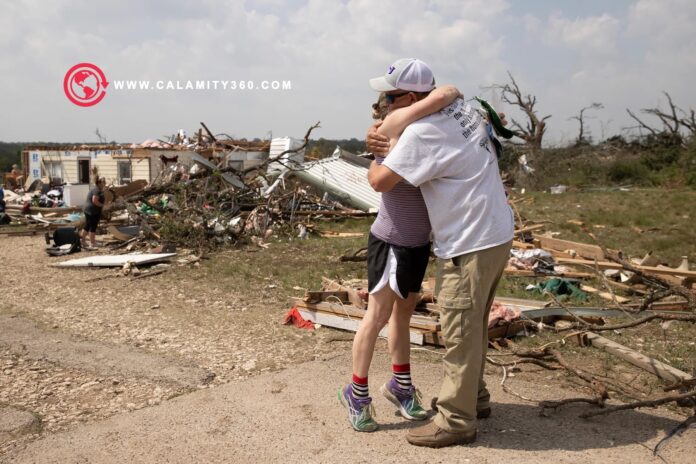

When the Storm Settles and Hidden Dangers Emerge
The aftermath of a tornado can leave more dangers hidden than immediately visible to survivors and responders. People may feel relief once the storm passes, but injuries can manifest hours later, complicating recovery and response efforts. Understanding that delayed injuries are common helps maintain vigilance even after the skies have cleared.
Physical trauma from debris or falling objects may not show immediate symptoms, making careful observation essential for anyone exposed. Minor cuts, bruises, or blunt force injuries can escalate without proper assessment and medical attention. Families and neighbors should check each other thoroughly to catch early warning signs that might otherwise be overlooked.
Shock and adrenaline during the tornado can mask pain or discomfort, leading individuals to underestimate their condition. Head trauma, internal injuries, and soft tissue damage might only become apparent when the body begins to relax. Monitoring for unusual symptoms is crucial because what seems minor initially can worsen significantly without intervention. People should avoid assuming they are unhurt simply because they feel okay immediately.
Emergency responders often focus on life-threatening situations first, leaving survivors to manage subtler injuries themselves. This makes knowledge about delayed symptoms essential for preventing complications and reducing long-term health risks. Simple precautions, like monitoring heart rate, swelling, or persistent pain, can make the difference between early treatment and serious deterioration. Remaining alert during the hours following a tornado is as important as preparing beforehand.
Community support plays a critical role in noticing hidden injuries that individuals might miss on their own. Checking in on neighbors, especially children and the elderly, ensures no one suffers alone or unnoticed. Awareness, careful observation, and immediate action are key strategies to prevent minor injuries from becoming severe or fatal. Staying proactive in the immediate aftermath saves lives and promotes safer recovery for everyone involved.
1. The Silent Threat of Internal Bleeding After Impact
Internal bleeding is a dangerous consequence of blunt trauma that may not be immediately obvious after a tornado. Victims can appear stable even while blood accumulates inside vital organs, masking the severity of their injuries. Awareness of delayed internal bleeding is critical because it can escalate rapidly and become life-threatening without timely care.
Symptoms often take hours to manifest, leaving individuals unaware of the underlying trauma that threatens their health. Abdominal pain, dizziness, or unusual swelling can indicate internal hemorrhaging, even when external injuries seem minor. Families and first responders should monitor survivors closely for these subtle warning signs that could indicate serious internal injury.
Falls, flying debris, and impacts during tornadoes can all cause blunt force trauma capable of rupturing internal organs. The liver, spleen, and kidneys are particularly vulnerable, and bleeding from these organs may not produce immediate external evidence. Early recognition is key because untreated internal bleeding can result in shock, organ failure, or death.
Fatigue, nausea, and paleness are common signs that may suggest internal blood loss and require immediate attention. Rapid heartbeat or shallow breathing can also indicate that the body is compensating for reduced blood volume. Anyone experiencing these symptoms after a tornado should seek emergency care even if no visible injuries exist.
Internal bleeding can also result from delayed complications of fractures or heavy objects striking the torso during high winds. Victims may underestimate pain, thinking it is normal soreness, which can delay critical medical intervention. Encouraging prompt reporting of discomfort and unusual symptoms can significantly improve outcomes in these situations.
First responders and healthcare providers emphasize monitoring at-risk survivors, especially those struck by debris or thrown during tornadoes. Children, the elderly, and individuals with preexisting conditions are more susceptible to internal trauma and require careful observation. Recognizing subtle signs early can prevent severe complications and increase survival rates.
Parents, caregivers, and community members should remain vigilant during the initial 24 hours after a tornado. Even those appearing uninjured may develop internal bleeding, making continuous observation and quick action essential. Immediate transport to medical facilities is the safest response when internal injury is suspected.
Preventative measures, such as wearing protective gear and securing safe locations during tornadoes, reduce the likelihood of blunt trauma. Awareness campaigns can educate communities about delayed symptoms of internal bleeding, improving readiness and timely response. Proactive monitoring after tornadoes ensures that hidden injuries do not go unnoticed or untreated.
Recognizing and responding to internal bleeding promptly can save lives, emphasizing the importance of vigilance in the hours following a tornado. Sharing knowledge about delayed trauma symptoms within families and communities strengthens resilience against hidden post-storm dangers. Maintaining awareness and seeking immediate medical attention for subtle signs ensures safer recovery for all affected individuals.
2. Concussions and Head Injuries That Show Late Warning Signs
Head trauma from tornadoes may not reveal symptoms immediately, making delayed concussions particularly dangerous for victims. People can appear alert and functional, yet subtle neurological damage may be developing unnoticed. Understanding that head injuries can manifest hours later is critical for timely recognition and care.
Symptoms like dizziness, nausea, or confusion may emerge well after the tornado has passed, signaling underlying brain trauma. Headaches, light sensitivity, or blurred vision can also indicate a delayed concussion that requires prompt medical evaluation. Families and responders should monitor survivors closely for these warning signs, even if initial assessments appear normal.
Falls, flying debris, or structural collapses during tornadoes can cause both mild and severe head injuries. Even minor impacts can lead to delayed neurological issues, emphasizing the importance of vigilance in the hours following the storm. Immediate attention to any unusual behavior or physical symptoms can prevent complications and improve recovery outcomes.
Confusion or disorientation may appear gradually, and victims might underestimate the severity of their symptoms. Drowsiness, difficulty concentrating, or memory lapses are additional indicators that should not be ignored. Observing these changes in behavior ensures timely intervention before injuries worsen or secondary problems develop.
Nausea and vomiting can result from concussion-related brain swelling, posing serious risks if untreated. Head trauma can also exacerbate preexisting conditions like migraines or balance disorders, complicating diagnosis. Maintaining careful observation during the first 24 hours is crucial to catch delayed warning signs promptly.
Children and elderly individuals are especially vulnerable to hidden concussions due to their physiological sensitivity. Young children may struggle to articulate discomfort, while older adults may attribute symptoms to age-related issues. Caregivers must remain alert and act quickly at the first indication of abnormal behavior or pain.
Monitoring includes noting mood changes, irritability, or unusual fatigue that may suggest evolving head injuries. Coordination with medical professionals ensures proper evaluation and reduces the likelihood of long-term complications. Early detection and treatment of delayed concussion symptoms significantly improve recovery prospects.
Protective measures such as helmets during storm preparation and safe sheltering reduce the risk of head trauma. Education on delayed concussion signs equips families and communities to act decisively when symptoms emerge. Proactive observation after tornadoes safeguards neurological health and prevents unnoticed injuries from escalating.
Recognizing and responding to late-onset concussions reinforces the importance of continuous monitoring after tornado events. Communities that understand delayed head injury signs can improve outcomes and reduce hidden post-storm dangers. Maintaining vigilance ensures that subtle neurological symptoms receive prompt attention, saving lives and supporting full recovery.
3. Crush Injuries and Compartment Syndrome That Develop Over Time
Tornadoes can trap limbs under debris, causing severe crush injuries that may worsen gradually. Initial pain might seem manageable, but swelling and tissue damage can escalate quickly without treatment. Immediate assessment of trapped or compressed limbs is essential to prevent long-term complications and permanent damage.
Heavy objects falling on arms or legs can compromise circulation, leading to hidden internal injuries. Swelling, numbness, or tingling may not appear immediately, creating a false sense of safety. Continuous observation after extrication is necessary to detect delayed symptoms before they become life-threatening.
Compartment syndrome occurs when pressure builds within muscle compartments, restricting blood flow and oxygen. This condition often develops hours after trauma, making early recognition critical for preserving limb function. Pain out of proportion, tightness, or persistent numbness signals the need for urgent medical attention.
Victims may initially walk or move injured limbs, but underlying tissue damage can progress silently. Bruising, discoloration, and increasing swelling are warning signs that require prompt evaluation by healthcare professionals. Rapid treatment, sometimes including surgery, can prevent permanent disability and systemic complications.
Fluid and electrolyte imbalances may result from prolonged crush injuries, complicating recovery if unnoticed. Muscle breakdown releases toxins into the bloodstream, potentially causing kidney damage or cardiac strain. Monitoring vital signs and urine output is crucial for early detection of these secondary problems.
Pain management and immobilization after initial rescue are important but must not mask worsening compartment syndrome. Elevating the affected limb and avoiding tight bandages can help control swelling safely. Caregivers and responders must remain vigilant for changes that indicate progression of injury.
Children and older adults may be more susceptible to severe crush injuries due to physical vulnerability. Smaller or frailer limbs experience pressure effects more rapidly, increasing the likelihood of delayed complications. Early medical evaluation ensures these high-risk individuals receive prompt and appropriate treatment.
Rehabilitation following crush injuries may be prolonged, emphasizing the importance of timely diagnosis and intervention. Physical therapy and careful follow-up prevent loss of mobility or chronic pain. Awareness of delayed injury signs supports faster recovery and reduces long-term disability risks.
Understanding the gradual nature of crush injuries reinforces the need for continuous monitoring after tornado events. Communities educated on compartment syndrome and delayed trauma can save limbs and prevent life-threatening complications. Quick recognition and decisive action are essential for minimizing the hidden dangers of trapped limbs.
4. Burns and Lacerations That Worsen Without Immediate Attention
Minor cuts and burns sustained during tornadoes can appear superficial but may deteriorate quickly without care. Early cleaning and protection of wounds prevent bacteria from entering and causing serious infections. Ignoring even small injuries can lead to complications that require hospitalization or advanced medical treatment.
Debris and flying objects often cause deep lacerations, introducing dirt and pathogens into the body. Prompt washing and antiseptic application reduce the risk of infection and support faster healing. Covering wounds with clean dressings minimizes exposure and protects delicate tissue from further trauma.
Burns from sparks, hot surfaces, or chemical exposure may initially seem minor but can worsen overnight. Blisters, redness, and swelling can spread, creating greater tissue damage than first observed. Cooling burns immediately with clean water and avoiding broken blisters reduces the chance of infection.
Monitoring injuries after the tornado is crucial, as delayed symptoms such as increased pain or redness indicate worsening condition. Persistent bleeding or fluid discharge from cuts requires medical evaluation to prevent sepsis. Victims should check injuries frequently, noting changes in color, swelling, or temperature of the affected area.
Infection risk increases when wounds are covered by dust, clothing, or contaminated materials present in the storm debris. Tetanus immunization should be confirmed, especially for puncture wounds, to avoid serious bacterial infections. Awareness of these risks encourages timely professional care before complications escalate.
Pain and swelling may lead victims to underestimate injury severity, masking the need for immediate treatment. Over-the-counter antiseptics and pain relievers can help, but professional assessment is often necessary. Rapid intervention ensures proper wound care and minimizes long-term scarring or functional loss.
Children and older adults face higher susceptibility to infection due to weaker immune systems or thinner skin. Prompt attention and protective care are critical to reduce complications and accelerate recovery in these groups. Caregivers should maintain heightened vigilance for any signs of deterioration in vulnerable populations.
Untreated burns or lacerations may develop abscesses or cellulitis, complicating recovery and increasing systemic infection risk. Hospitalization may be required for intravenous antibiotics and wound management in severe cases. Recognizing early warning signs ensures swift response, reducing overall morbidity after tornado events.
Regular inspection and maintenance of wound hygiene after initial first aid support faster healing and prevent secondary complications. Educating tornado survivors on infection prevention and injury monitoring reinforces safety and health during the recovery period. Prompt attention to minor injuries is key to preventing hidden dangers from escalating.
5. Psychological and Emotional Trauma Emerging After the Disaster
After the tornado passes, many survivors experience delayed emotional responses that may not appear immediately. Shock and disbelief often mask anxiety, making it difficult for victims to process the event properly. Recognizing that mental health effects can emerge gradually helps ensure timely support and care.
Feelings of fear or helplessness may intensify once the initial physical danger has subsided. Survivors often experience heightened stress due to property loss, displacement, or concern for loved ones. Emotional fatigue can manifest as irritability, sleep disturbances, or difficulty concentrating on daily tasks.
Children and adolescents are particularly vulnerable to psychological effects, often expressing trauma through behavior changes rather than verbal complaints. Adults may experience persistent worry or avoidance behaviors that interfere with normal routines and responsibilities. Early recognition of these signs encourages intervention before long-term mental health complications develop.
Post-traumatic stress symptoms, such as intrusive thoughts or flashbacks, can emerge hours or even days later. Survivors may feel constant tension or hypervigilance, reacting strongly to minor triggers. Support from trained counselors or mental health professionals helps manage these responses effectively and safely.
Community support networks play a critical role in reducing feelings of isolation and fear after tornadoes. Sharing experiences with neighbors or support groups can normalize emotions and foster resilience. Open communication encourages survivors to seek professional help when anxiety or stress becomes overwhelming.
Chronic stress can exacerbate physical health issues, making it essential to address psychological trauma promptly. Failure to manage mental health may lead to depression, substance misuse, or other maladaptive coping strategies. Integrating emotional support with medical care ensures comprehensive recovery for tornado survivors.
Engaging in structured routines and stress-relieving activities helps survivors regain a sense of control and stability. Mindfulness practices, gentle exercise, or creative outlets can reduce anxiety and improve emotional well-being. Consistent attention to mental health supports faster overall recovery after tornado-related trauma.
Families should monitor each other for signs of emotional deterioration, including withdrawal, irritability, or persistent sadness. Encouraging open discussion about fears and concerns strengthens family bonds and provides reassurance to vulnerable members. Timely recognition and intervention prevent minor stress from developing into severe psychological conditions.
Accessing professional mental health resources is crucial, especially for individuals exhibiting persistent or worsening trauma symptoms. Therapists, counselors, or community support programs provide tools to cope with delayed emotional reactions. Early intervention allows survivors to process their experiences safely and rebuild confidence in daily life.
Taking Action to Spot and Treat Hidden Injuries Quickly
After a tornado, careful monitoring of all individuals is essential to identify injuries that may appear hours later. Families and neighbors should check for bruising, swelling, or unusual pain that could indicate internal problems. Prompt attention to subtle warning signs can prevent minor issues from escalating into life-threatening conditions.
Medical evaluation should follow any suspected injury, even if the person initially feels well. Health professionals can perform imaging or tests to detect internal bleeding, fractures, or organ damage. Early treatment significantly improves recovery outcomes and reduces the risk of complications. Awareness of delayed symptoms like dizziness, nausea, or fainting is crucial for timely intervention.
Keeping a log of observed symptoms and changes over time helps track developing injuries effectively. Consistent communication between caregivers and medical personnel ensures that no warning signs are overlooked. Monitoring should continue for at least 24 to 48 hours, depending on the severity of the event. Immediate action is warranted if symptoms worsen or new concerns arise unexpectedly.
Preventive measures include educating family members and community groups on hidden injury risks and response strategies. First aid knowledge, emergency contacts, and accessible medical resources are vital during post-tornado recovery. Structured observation routines and checklists can guide non-professionals in detecting delayed injuries accurately.
Maintaining vigilance after the initial danger has passed safeguards long-term health and survival. Encouraging individuals to report discomfort or abnormalities promptly fosters a proactive approach to recovery. By combining careful monitoring with professional care, hidden injuries can be addressed before they become critical.

CALAMITY360.com delivers global news and safety insights on earthquakes, tsunamis, volcanic eruptions, floods, wildfires, storms, and tornadoes. It provides timely updates, expert tips, and disaster-readiness information to foster awareness, preparedness, and resilience across communities worldwide.