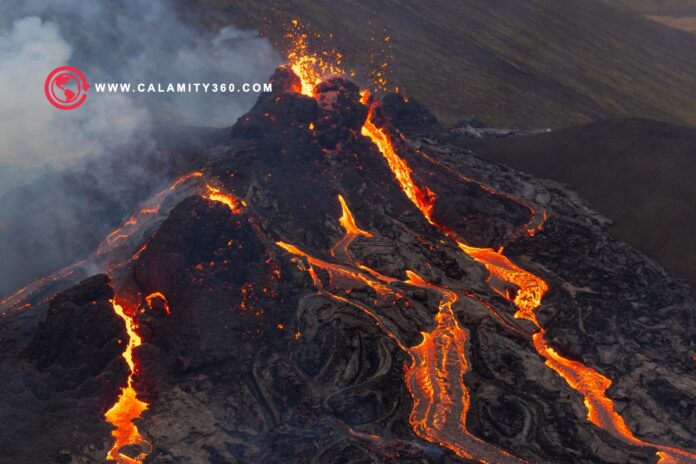

When the Ground Trembles and Ash Clouds Gather Quickly
Volcano alerts demand immediate attention because conditions can change rapidly without warning, putting students at serious risk. Staying calm is essential to make rational decisions during high-stress moments. Awareness of surroundings and potential hazards can significantly increase the chance of survival.
Sudden tremors, smoke, and ash emissions often indicate escalating volcanic activity, requiring prompt action from everyone in the vicinity. Students must recognize that these early signs are critical signals, not merely natural occurrences. Delaying response can transform a manageable situation into a dangerous emergency rapidly. Awareness and preparation are as important as physical readiness when alerts are issued.
Schools and campuses near active volcanoes often have protocols, but personal vigilance enhances safety. Students need to understand evacuation plans and emergency procedures to avoid confusion during alerts. Following instructions while remaining alert ensures both individual and group safety during chaotic situations. Knowledge of escape routes and assembly areas can prevent panic and injuries.
Being mentally prepared to react instantly is as important as having emergency kits or supplies. Emotional control helps students maintain clarity and assist peers who may be frightened or confused. Rapid decision-making combined with situational awareness reduces exposure to falling ash, debris, or toxic gases. Preparation, both mental and physical, is critical to surviving volcanic hazards efficiently.
Students must remember that volcano alerts are not hypothetical warnings but real dangers demanding attention. Every second counts when tremors, ash clouds, and smoke signal rising volcanic activity. Staying informed, calm, and proactive ensures safer outcomes during emergencies and reinforces responsible behavior.
1. Recognizing Early Signs of Volcanic Activity Before Evacuation Becomes Critical
Small tremors beneath the ground often precede eruptions, signaling that volcanic activity is increasing nearby. Students should treat these vibrations seriously and alert campus authorities immediately to prevent dangerous delays. Ignoring minor tremors can reduce reaction time and increase the risk of injury or entrapment.
Unusual smoke plumes rising from a volcano indicate that magma or gas is nearing the surface. Observing changes in smoke color, density, or odor can provide clues about eruption intensity and timing. Students must report these signs promptly to ensure the entire community remains informed and vigilant. Volcanic gases can be toxic, making early awareness critical for health and survival.
Strong sulfuric or rotten egg smells often precede eruptions, warning of nearby gas emissions. Noticing these odors early allows students to evacuate before toxic concentrations accumulate dangerously. Recognizing patterns in smell intensity and location can guide safer movement away from danger zones. Prompt attention to sensory warnings enhances both personal and group evacuation efficiency.
Cracks, landslides, or shifting rocks around a volcano can also signal imminent activity. These physical changes suggest that magma pressure is affecting the surface structure, creating hazards. Students must understand that these early signs often appear before ash or lava is visible. Quick recognition of structural instability is essential for selecting safe escape routes during alerts.
Observing wildlife reactions provides another early warning system, as animals often detect hazards before humans notice them. Birds fleeing or unusual animal behavior can indicate subtle environmental changes preceding eruptions. Students should consider these indirect signs along with tremors, smoke, and smells to make timely decisions. Combining multiple indicators increases the likelihood of safe evacuation before conditions worsen.
Monitoring temperature changes near hot springs or vent areas can reveal increased geothermal activity. Sudden warming of water or ground surfaces often precedes volcanic eruptions and ash emissions. Students must report these observations to authorities to trigger broader safety measures for everyone nearby. Awareness of temperature fluctuations complements visual and auditory cues in hazard detection strategies.
Color changes in surrounding water bodies, soil, or rocks may indicate volcanic gas release. Noticing these alterations can help students anticipate toxic exposure or lava flow paths in time. Early detection of subtle environmental cues improves survival odds and evacuation efficiency significantly. Students should integrate these observations with official alerts for optimal response.
Listening for distant rumbling or unusual sounds can provide critical clues of underground movement. Low-frequency vibrations may signal magma shifting and pressure build-up within the volcano. Students who remain attentive to these sounds gain precious extra minutes to act decisively and safely. Sensory vigilance is as important as following evacuation routes and official guidance.
By combining all observable signs, students can make informed, rapid decisions that enhance safety. Early recognition allows for organized evacuation, minimizing confusion and reducing panic during volcanic emergencies. Each signal, whether visual, olfactory, or auditory, contributes to a more effective survival strategy. Timely awareness transforms potential hazards into actionable steps that save lives.
2. Creating a Personal Evacuation Plan to Navigate School or Campus Safely
Students should start by identifying all possible exits in classrooms, dorms, and common areas. Mapping multiple routes ensures that blocked paths do not prevent safe evacuation during a volcanic alert. Regularly reviewing these routes helps students remain familiar with escape options under stress.
Assembly points should be predetermined and clearly communicated to everyone on campus. These locations must be at safe distances from potential lava flows, ash deposits, or gas emissions. Students should practice moving to these points quickly to build muscle memory and reduce panic. Emergency drills reinforce understanding and confidence in using planned evacuation paths efficiently.
Carrying a small, essential kit can improve mobility and survival during evacuation. Items like masks, water, flashlights, and first aid supplies help students manage hazards effectively. Knowing which items are vital prevents overpacking, which can slow movement in emergencies. Prioritizing speed and safety over possessions is critical when time is limited.
Students must account for people with mobility challenges when designing personal evacuation plans. Identifying accessible routes, ramps, and assistance protocols ensures everyone can leave safely. Coordinating with school authorities about these needs strengthens overall campus safety and response efficiency. Preparedness for diverse situations reduces confusion and potential injuries during alerts.
Time estimation for each route is an essential part of planning effective evacuation. Knowing how long it takes to reach safety helps students decide the best paths under pressure. Practicing different scenarios builds flexibility to adapt when conditions change unexpectedly. Accurate timing prevents delays that can increase exposure to lava, ash, or toxic gases.
Communication strategies are crucial for coordinating with friends, roommates, or study groups. Students should agree on check-in points and methods to stay connected during evacuation. Using phones, radios, or campus alert systems ensures everyone is accounted for promptly. Reliable communication reinforces organized movement and prevents separation during chaotic situations.
Visual markers, signs, and campus maps can aid navigation during low visibility conditions. Ashfall, smoke, or darkness may obscure familiar landmarks, making pre-mapped routes vital. Students should familiarize themselves with alternate paths and landmarks for clarity. Combining visual aids with practiced routes ensures smoother, safer evacuations under hazardous conditions.
Regularly updating evacuation plans is necessary as campus layouts or safety recommendations change. Construction, new buildings, or environmental alterations can affect route safety and assembly point accessibility. Students should review plans at least once per semester or after significant campus changes. Staying current enhances readiness and reduces risk during actual volcanic events.
Practicing calm and decisive movement is as important as knowing the routes themselves. Students who remain composed can follow plans more effectively and assist peers during evacuation. Integrating mental preparation with physical planning ensures a higher chance of safe arrival. Repeated drills and rehearsals instill habits that save time, reduce panic, and protect lives.
3. Assembling Essential Supplies Students Should Carry During a Volcano Emergency
Students must prepare a small, portable kit containing water, masks, and basic first aid supplies. Choosing lightweight items ensures quick mobility while maintaining essential survival capabilities. Having these items ready before a volcanic alert reduces panic and confusion during evacuation.
Communication tools such as fully charged phones or radios are critical for coordinating with peers. Students should include backup batteries or power banks to maintain connectivity in prolonged emergencies. Clear communication helps verify safety and provides real-time updates from authorities or campus alert systems. Planning for communication prevents isolation and improves overall evacuation efficiency during hazardous events.
Masks and protective eyewear shield students from ash, smoke, and harmful gases during eruptions. Choosing N95 or similar respirators ensures proper filtration while remaining easy to carry. Protective eyewear prevents irritation and visual impairment from volcanic debris, maintaining awareness of surroundings. These items are essential to reduce health risks while moving through ash-laden areas.
First aid supplies must address minor injuries, burns, or respiratory irritations that can occur unexpectedly. Bandages, antiseptic wipes, and basic medications help students manage conditions until professional help is available. Compact kits allow quick access without slowing evacuation or hindering movement. Maintaining readiness through well-stocked supplies improves safety during unpredictable volcanic emergencies.
Students should also carry lightweight rain gear or ponchos to protect from acid rain or falling ash. Waterproof clothing prevents exposure to harsh volcanic elements and maintains body temperature. Layering options provide flexibility depending on environmental conditions and evacuation duration. Adequate protection from weather increases endurance and reduces the likelihood of illness during emergencies.
A small flashlight or headlamp is invaluable when evacuating in low visibility or nighttime conditions. Reliable light sources guide students through debris-strewn paths and prevent trips or falls. Batteries should be checked and replaced regularly to ensure functionality during sudden alerts. Proper lighting enhances situational awareness and supports safe, confident movement in hazardous areas.
Food items such as energy bars or lightweight snacks sustain students during extended evacuation periods. Non-perishable, high-calorie foods provide necessary energy without adding significant weight to the kit. Students should consider easy-to-open packaging for fast consumption while moving quickly. Maintaining energy levels improves endurance and mental focus during emergency situations.
Emergency contact information, maps, and school-specific safety instructions should be included in the kit. Students must ensure they have printed copies in case electronic devices fail during the eruption. Familiarity with campus layout and alternative routes supports informed, rapid decision-making. Combining digital and physical references strengthens preparedness and mitigates risks during crises.
Regularly reviewing and updating the emergency kit is essential to maintain effectiveness and readiness. Students should check expiration dates, replace used items, and adjust supplies for seasonal or environmental changes. Periodic practice with the kit ensures students can access items quickly under stress. Maintaining a well-prepared kit enhances safety, confidence, and survival chances during volcanic emergencies.
4. Following Official Alerts and School Announcements Without Hesitation or Confusion
Students must pay close attention to verified alerts from authorities or school officials immediately. Acting on trusted warnings reduces the risk of injury or delay during volcanic emergencies. Avoiding rumors ensures decisions are based on accurate information rather than speculation or fear.
Official announcements provide step-by-step instructions for safe evacuation, including designated routes and assembly points. Students should familiarize themselves with these procedures in advance to act without hesitation during alerts. Listening carefully to instructions prevents mistakes that could endanger themselves or their peers. Following authoritative guidance supports a coordinated and efficient evacuation process.
Ignoring official warnings in favor of unverified information can lead to dangerous delays and confusion. Students must cross-check announcements with recognized channels to confirm authenticity before acting. Misinterpreting signals or relying on hearsay increases exposure to hazards and slows escape. Immediate, informed action improves personal safety and helps protect others during volcanic emergencies.
School staff and local authorities continuously update students on eruption developments or changes in conditions. Remaining attentive to updates allows students to adjust evacuation routes or strategies safely. Communication devices such as phones, radios, or public address systems provide real-time alerts. Staying informed reduces panic and ensures every movement aligns with official safety recommendations.
Students should avoid social media posts or unverified messages that may spread inaccurate guidance. Relying on these sources can create unnecessary confusion and compromise the effectiveness of evacuation plans. Trusting official alerts ensures instructions are consistent, precise, and tailored to the current hazard. Following verified guidance is essential for maintaining safety during rapidly changing volcanic conditions.
Coordinating with peers and following the instructions collectively ensures group safety and efficiency. Students should help each other interpret alerts correctly to avoid individual mistakes or delays. Clear communication within the group reinforces adherence to the official evacuation plan. Working together improves response speed and minimizes risk for everyone involved.
Practicing response to official alerts during drills prepares students to act instinctively under stress. Familiarity with alert protocols reduces hesitation and allows immediate, confident decision-making during a real eruption. Repetition ensures that students know exactly how to respond when alarms or announcements sound. Preparedness through practice strengthens overall safety and minimizes chaos during emergencies.
Even small delays in following official guidance can lead to dangerous exposure to ash or lava. Students should treat every verified alert seriously, regardless of personal beliefs or past experiences. Acting decisively based on accurate information maximizes survival and minimizes injuries. Prompt response to alerts is the foundation of effective volcanic safety practices.
Remaining calm while following official guidance ensures rational decisions and prevents panic-driven errors. Students who stay composed can process instructions clearly and execute evacuation procedures efficiently. Emotional control combined with accurate information increases safety and protects peers during volcanic crises. Confidence in official guidance fosters trust and encourages compliance in high-pressure situations.
5. Protecting Yourself from Ashfall and Toxic Gases While Staying Mobile
Students should wear properly fitted masks or respirators to reduce inhalation of ash and harmful gases. Covering exposed skin with long sleeves, pants, and gloves protects against irritation from hot ash particles. Eye protection such as goggles prevents ash from causing injury or impairing vision during movement.
Maintaining mobility is essential, so students should carry only lightweight backpacks with essential survival items. Using scarves or bandanas over masks can provide extra filtration for fine volcanic ash particles. Staying low when moving helps avoid heavier ash clouds and reduces exposure to toxic gases. Protecting all openings of the body minimizes health risks during evacuation to safe zones.
Students should keep eyes and skin clean, gently removing ash if contact occurs to prevent irritation. Avoid rubbing eyes, as this can worsen scratches or embed ash in sensitive areas. Breathing slowly and calmly through masks ensures airflow while reducing inhalation of dangerous particles. Frequent sips of water help maintain hydration and clear particles from the mouth and throat.
Choosing routes with less ash accumulation or minimal gas exposure reduces immediate danger while evacuating. Staying in groups allows peers to monitor each other for signs of respiratory distress or injury. Using protective clothing made of tightly woven fabrics enhances barrier protection against fine ash particles. Coordinating movement according to school safety protocols ensures students reach designated shelters efficiently and safely.
If wind shifts carry ash or gases toward students, adjusting direction quickly can prevent prolonged exposure. Teachers or safety officers may provide guidance on optimal paths to minimize contact with hazards. Staying alert to changing conditions allows students to adapt protective measures as needed. Combining vigilance with personal protective strategies ensures safety while moving during volcanic emergencies.
Keeping clothing sealed at wrists, ankles, and collars prevents ash from infiltrating protective layers. Layering clothing provides additional insulation against heat or abrasive particles in the environment. Using hats or hoods can shield the head and neck from falling ash. These precautions improve comfort and protection during extended movements to safe zones.
Students should avoid touching faces, masks, or eyes with contaminated hands to prevent infection. Cleaning hands with wet wipes or sanitizers reduces the risk of transferring ash or toxins. Handling masks carefully ensures they remain effective and do not allow particle penetration. Maintaining hygiene while on the move is crucial for long-term health during a volcanic event.
Proper footwear is essential, as ash-covered surfaces can become slippery or abrasive, causing injuries. Closed shoes or boots prevent cuts, burns, or abrasions while walking through ash-laden areas. Monitoring footing carefully allows safe progression without falls, even on uneven or debris-filled ground. Ensuring stable movement is as important as respiratory and eye protection.
Students must combine all protective strategies simultaneously, remaining calm and focused on reaching safe zones. Awareness of surroundings, adherence to protective measures, and coordinated group movement ensures survival and minimizes exposure. Practicing these precautions before an alert improves readiness and reduces panic during actual volcanic activity. Effective protection requires preparation, attention, and disciplined execution under hazardous conditions.
6. Helping Others and Staying Together During Rapid Evacuation Scenarios
Students should establish buddy systems to ensure no one gets separated or overlooked during rapid evacuation. Keeping track of peers fosters accountability and allows quick assistance if someone encounters difficulty. Buddy pairs can share essential supplies, helping both maintain protection and hydration while moving.
Assisting younger or disabled students is crucial to prevent delays and reduce panic in emergency situations. Providing physical support, guidance, and encouragement ensures they navigate obstacles safely without compromising group speed. Assigning roles within groups clarifies responsibilities and promotes efficient, coordinated movement toward safe zones. Maintaining constant communication helps everyone stay informed of hazards and potential route changes.
Group cohesion reduces the risk of individuals becoming isolated and exposed to volcanic hazards. Students should move at a pace accommodating all members while remaining vigilant to ash and debris. Remaining together allows leaders or teachers to quickly identify problems and provide solutions. Cohesion also encourages morale, reducing fear and promoting calm decision-making under stressful conditions.
Students should periodically check on each other, confirming masks, clothing, and supplies are properly in place. Verifying that everyone understands directions and planned routes prevents confusion during chaotic moments. Encouraging verbal signals or hand gestures helps coordinate movement without raising voices unnecessarily. These small checks maintain safety and readiness during extended evacuation periods.
In the event of route obstacles, the group should reorganize quickly without leaving anyone behind. Students must communicate new plans clearly, ensuring everyone understands changes in direction or temporary pauses. Maintaining visual and verbal contact reduces separation risk and reinforces mutual protection. Supporting each other strengthens both physical and emotional resilience during hazardous volcanic activity.
Peer monitoring allows quick intervention if someone shows signs of heat stress, fatigue, or respiratory issues. Students should rotate leadership or assistance roles to ensure equitable support and reduce exhaustion. Continuous observation helps identify hazards that might not be obvious to every group member. Collaborative vigilance ensures that everyone moves safely and effectively through ash-filled or debris-laden areas.
Teaching younger students emergency signals and movement cues increases efficiency during high-pressure situations. Understanding and following these cues reduces panic and ensures synchronized movement across the group. Students can practice these procedures during drills to build familiarity and confidence. Repetition enhances automatic responses, improving safety when real alerts occur unexpectedly.
During evacuation, students should avoid distractions like phones or unnecessary conversations that slow group progress. Staying focused on safety, route clarity, and hazard awareness maintains momentum while reducing accidents. Groups should designate someone to monitor surroundings, alerting others to falling ash or blocked paths. Concentrated attention ensures the group moves efficiently while minimizing exposure to dangerous volcanic conditions.
Finally, remaining calm and cooperative strengthens the group’s ability to overcome unexpected challenges during evacuation. Mutual support, clear communication, and disciplined movement maximize survival chances in rapidly changing volcanic environments. Students who help one another reinforce a culture of safety and responsibility for everyone. Teamwork ensures not only individual protection but also the collective security of all group members.
Turning Awareness into Quick Action to Survive a Volcano Alert
Students who recognize early signs of volcanic activity increase their chances of swift and safe evacuation. Paying attention to tremors, smoke, and unusual odors allows timely decisions that can prevent injuries. Remaining calm while observing these signs ensures rational thinking during high-pressure situations.
Creating a personal evacuation plan before an alert reduces confusion and facilitates faster movement through campus or school buildings. Mapping multiple safe routes and identifying assembly points prepares students for obstacles or blocked paths. Practicing these routes in drills strengthens memory and confidence for real emergencies. Having pre-planned alternatives ensures everyone can evacuate without panic or hesitation.
Assembling essential survival supplies, such as masks, water, and communication tools, supports health and mobility during evacuation. Students should prioritize lightweight, portable items to maintain speed and efficiency while moving. Access to first aid materials allows immediate response to minor injuries or respiratory irritation. Carrying basic survival tools reduces reliance on external assistance and increases self-sufficiency.
Following official alerts and school announcements ensures students act on verified information instead of rumors or misleading messages. Quick compliance prevents dangerous delays and enables coordination with teachers and emergency personnel. Helping peers, including younger or disabled students, maintains group safety and enhances overall survival odds. Coordinated movement minimizes separation risk and maximizes protection from ash, gases, and debris hazards.
Habitual preparation and awareness transform reactive behavior into proactive survival strategies during volcano alerts. Students who internalize these six tips develop the discipline and mindset necessary for rapid, safe responses. Practicing safety measures, staying vigilant, and supporting others establishes a culture of responsibility during emergencies. By combining awareness, readiness, and cooperation, students dramatically improve their chances of surviving volcanic crises.

CALAMITY360.com delivers global news and safety insights on earthquakes, tsunamis, volcanic eruptions, floods, wildfires, storms, and tornadoes. It provides timely updates, expert tips, and disaster-readiness information to foster awareness, preparedness, and resilience across communities worldwide.