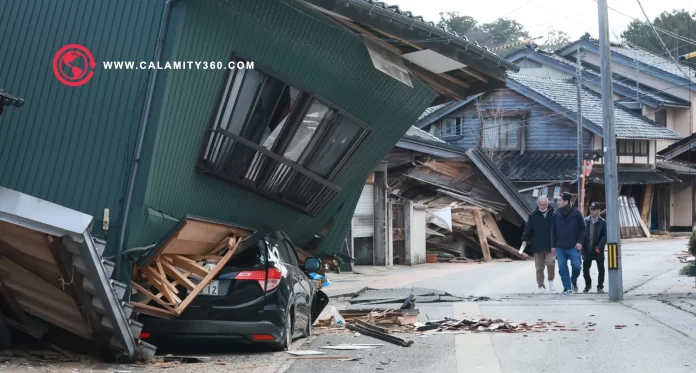

When Walls Need More Than Paint and Prayers
Earthquakes strike without warning, and many homes collapse because critical safety measures were ignored. Weak walls, poorly connected roofs, and fragile foundations often fail under seismic pressure. Preparing a home in advance can save lives and prevent catastrophic property damage.
Structural failure occurs when load-bearing elements cannot resist shaking, causing walls to crack and roofs to fall. Older houses face higher risks because construction standards were less rigorous in the past. Retrofitting strengthens vulnerable sections, ensuring the structure can better withstand tremors.
Reinforcing walls, securing roofs, and checking foundations are essential for creating a resilient home environment. Professionals can identify hidden weaknesses that casual inspections often miss, preventing failures during earthquakes. Homeowners who take proactive measures face fewer injuries and recover faster after seismic events. Insurance alone cannot replace proper structural upgrades, making preparation a critical responsibility.
Knowing which improvements make the most difference allows homeowners to act strategically. Strengthening critical areas, securing fixtures, and planning safe pathways provide practical protection. The following 10 tips focus on specific, actionable steps that ensure a house remains safer and tougher when the ground shakes.
Tip 1: Reinforce Your Roof to Withstand Violent Earthquakes
A roof that is not properly secured can collapse during strong earthquakes, putting lives at risk. Roof failures often begin at weak connections where rafters meet walls, especially in older homes. Strengthening these critical points significantly reduces the chance of catastrophic damage.
Use strong, durable materials that can endure both vertical and lateral forces during tremors. Fasteners, nails, and bolts must be inspected and replaced if corroded or loose to maintain integrity. Tying roof trusses to walls with metal connectors increases stability under seismic pressure. Roof sheathing should be securely attached to prevent panels from separating during shaking.
Check that all joints and intersections between roof components are properly reinforced and aligned. Adding diagonal bracing helps distribute forces evenly across the structure, reducing stress on individual sections. Roof design should avoid excessive overhangs or unsupported projections that increase the risk of collapse. Proper inspection ensures even hidden sections are reinforced to prevent structural failure.
Inspect chimneys, skylights, and other rooftop features for weak attachments that could become hazards. Secure flashing and vents with flexible but strong fasteners that maintain position under vibration. Ensure roofing materials themselves, such as tiles or panels, are firmly attached to the deck. Professional assessment can identify vulnerabilities that homeowners often overlook in routine inspections.
During retrofitting, focus on connecting all roof components to the supporting walls and framing. Straps, clips, and anchor bolts can transfer seismic forces more effectively, keeping the roof intact. Reinforced trusses reduce bending or shearing under intense shaking, preventing structural collapse. Prioritize areas that bear the most weight, such as central spans and load-bearing connections. Strengthening these zones ensures the roof contributes to overall home resilience.
Evaluate the roof after any major repairs or renovations to maintain seismic readiness. Even minor modifications, like replacing shingles or repairing leaks, can weaken fastenings if not properly reinforced. Maintaining consistent inspection and reinforcement schedules extends the lifespan of the roof and home safety. Homeowners who act proactively face fewer damages and risks when earthquakes occur.
A properly reinforced roof forms the first line of defense against earthquake damage, safeguarding the structure beneath. Combining material upgrades, tie-downs, and professional assessments creates a resilient, earthquake-ready home. These strategies integrate seamlessly with wall, foundation, and fixture improvements outlined in the following tips.
Tip 2: Strengthen Walls to Resist Shaking and Cracks
Walls are the backbone of any structure, and weak walls can fail quickly during strong earthquakes. Cracks often appear at joints or corners where stress concentrates, increasing the risk of collapse. Reinforcing walls ensures they absorb and distribute seismic forces more evenly throughout the home.
Use bracing techniques that connect walls to floors and roofs, improving overall structural stability. Anchoring walls to foundations prevents sliding and overturning during intense shaking, which is common in major earthquakes. Lightweight materials in non-load-bearing walls reduce stress on the structure while maintaining safety. Reinforced concrete or masonry walls provide higher resistance against cracking and collapse under seismic loads.
Check for hidden weaknesses such as deteriorated plaster, outdated framing, or moisture-damaged sections that can compromise strength. Adding diagonal or shear bracing increases rigidity and reduces lateral movement during tremors. Proper connections between wall studs, plates, and beams prevent sections from separating under stress. Ensuring walls align correctly with supporting structural elements prevents uneven load distribution that could cause failure.
Reinforce openings such as doors and windows with strong frames and secure headers to resist shaking. Wall panels should be fastened with high-quality nails or screws that resist pulling out during tremors. Reinforced corner joints help maintain overall wall integrity when lateral forces act on the structure. Professional evaluation identifies areas where retrofitting or additional support is necessary to minimize risk.
Apply additional supports in older homes where wall materials may not meet current seismic standards. Lightweight panels combined with metal or wooden reinforcements reduce damage without adding excessive weight to the structure. Properly installed anchors and braces improve resistance to both vertical and horizontal shaking forces. Focusing on the most vulnerable walls maximizes safety while minimizing renovation costs. Prioritizing structural integrity protects both occupants and valuable property during earthquakes.
Regular inspection ensures that modifications, repairs, or aging materials do not compromise wall strength. Small gaps, loose connections, or deteriorated fasteners can reduce the effectiveness of reinforcement strategies. Continuous maintenance and timely upgrades help walls maintain their load-bearing capacity and seismic resilience. Homeowners who implement these measures reduce the likelihood of wall failure during earthquakes.
Strengthened walls work in harmony with reinforced roofs, foundations, and fixtures to create a safer home. Effective bracing and anchoring form a critical layer of defense against the destructive forces of earthquakes. These improvements set the stage for protecting heavy furniture, glass, and utilities in subsequent tips.
Tip 3: Anchor Heavy Furniture to Prevent Injuries From Falls
Unsecured cabinets, shelves, and wardrobes can topple during earthquakes, causing serious injuries or blocking escape routes. Large appliances such as refrigerators and washing machines pose significant hazards if they shift or fall. Securing heavy furniture to walls or floors reduces the risk of accidents and property damage.
Use strong brackets, straps, or L-shaped anchors to attach furniture to studs or masonry walls. Ensure that fasteners penetrate solid framing rather than just drywall to provide maximum holding strength. Heavy items on shelves should be positioned closer to the base to lower the center of gravity. Check that all furniture connections are tight and maintained to prevent loosening over time.
Wardrobes and tall cabinets require additional reinforcement at the top and bottom to prevent tipping. Appliances with uneven weight distribution must be anchored with bolts or straps to stabilize them. Floating or adjustable shelves need secure brackets to prevent items from falling during shaking. Professional advice can help identify the safest methods for different types of furniture.
Small adjustments, such as adding anti-tip brackets to bookcases or entertainment units, can save lives. Securing drawers and doors with latches prevents them from opening and spilling contents during tremors. Even decorative items on shelves can become dangerous projectiles if the base is unstable. Properly anchored furniture improves overall home safety and complements structural reinforcements already in place.
Pay attention to furniture located near sleeping areas, hallways, or exits where movement is likely. Reassess and adjust fastenings after home renovations or rearrangements to maintain consistent protection. Consider furniture weight, shape, and placement to optimize anchoring effectiveness without reducing usability. Targeting high-risk items ensures that the most dangerous objects are secured first, minimizing potential injuries.
Incorporating these strategies alongside wall and roof reinforcements enhances the home’s overall earthquake resilience. Families who secure heavy furniture face fewer injuries and experience less property damage during seismic events. This step sets the stage for addressing foundation safety in the next tip.
Properly anchored furniture not only protects occupants but also allows safer evacuation and movement during emergencies. Combining structural upgrades with interior safety measures creates a comprehensive approach to earthquake readiness. Securing heavy items reduces hazards that are often overlooked yet pose significant risks during tremors.
Tip 4: Fortify Foundations to Protect Against Structural Collapse
Foundations form the critical base that supports the entire structure, and weaknesses can lead to catastrophic failure. Soil type and stability directly influence how a foundation responds to seismic forces. Conducting soil assessments identifies areas that require reinforcement to maintain structural integrity.
Reinforce foundations with steel bars, concrete footings, and anchor bolts to improve resistance against shaking. Retrofitting older foundations ensures they meet modern seismic standards, reducing the likelihood of cracking or collapse. Check for uneven settling, erosion, or water damage that may compromise the base’s strength. Foundations must evenly distribute loads to prevent localized failures during strong earthquakes.
Piers, grade beams, and shear walls enhance foundation stability by transferring seismic forces safely to the ground. Soil stabilization techniques, such as compaction or grouting, reduce the risk of liquefaction during tremors. Connecting the foundation to walls and roof framing creates a unified structure that resists separation. Inspection by structural engineers ensures reinforcement measures target the most vulnerable areas.
Foundation retrofitting should also address basements and crawl spaces to prevent structural shifts. Adding bolts, straps, or reinforced concrete pads strengthens attachment points between foundation and framing. Proper drainage around the foundation prevents soil movement that could undermine stability. Evaluating past repairs or additions ensures all modifications do not weaken the original foundation.
Ensure that expansion joints, footings, and support columns are properly reinforced to withstand lateral motion. Reinforcing perimeter walls and corners improves overall rigidity and prevents collapse under seismic stress. Regular maintenance identifies minor cracks or settling before they evolve into major structural problems. Prioritizing foundational integrity protects every other part of the home from earthquake damage.
After foundation improvements, inspect flooring and lower walls to verify that connections are secure. Strengthening these connections minimizes movement and distributes forces evenly throughout the house. Homeowners who invest in foundation retrofitting create a safer, more resilient living environment during earthquakes.
A fortified foundation works in tandem with reinforced roofs, walls, and anchored furniture to maximize home safety. Proper assessment and strengthening of the base ensures that all subsequent earthquake safety measures remain effective. This critical step sets the groundwork for roof truss reinforcement in the following tip.
Tip 5: Strengthen Roof Trusses to Keep Structures Intact
Roof trusses are critical for distributing weight and resisting forces that occur during strong earthquakes. Weak or improperly connected trusses can lead to roof collapse, endangering the entire home. Reinforcing trusses ensures the roof remains stable while transferring seismic forces safely to supporting walls.
Use metal plates or connector brackets to secure joints where trusses meet beams or rafters. Tie-down systems anchor trusses to walls, preventing separation during shaking and reducing the risk of collapse. Inspect all fasteners for corrosion or looseness, replacing any that compromise structural strength. Properly designed trusses distribute loads evenly across the roof, minimizing stress on individual sections.
Diagonal bracing within trusses adds rigidity and reduces deformation under lateral seismic forces. Reinforced truss connections prevent corners or joints from splitting during tremors, maintaining roof integrity. Additional cross-bracing in larger spans helps balance weight and prevents sagging under stress. Evaluate older trusses for wood degradation, rot, or insect damage that could weaken structural performance.
Ensure that all roof supports align correctly with foundation and wall reinforcements to create a unified structure. Proper load distribution allows the roof to absorb and redirect forces instead of failing under pressure. Anchoring roof trusses to ceiling joists improves overall stability and minimizes potential separation. Combining multiple reinforcement techniques maximizes the roof’s ability to withstand violent shaking.
When retrofitting, prioritize areas that carry the heaviest loads or connect multiple roof sections. Strong, continuous connections between trusses and framing members reduce movement and prevent catastrophic failures. Roof inspections after renovations or repairs confirm that all reinforcements remain secure and effective. Reinforced trusses integrate seamlessly with previously strengthened walls and foundations to enhance overall home safety.
Properly strengthened trusses protect both the roof structure and the interior spaces beneath. Coordinating reinforcement with other structural upgrades ensures that all components work together during seismic events. This preparation reduces property damage, prevents injuries, and complements the improvements made in foundations and walls.
A secure truss system forms a critical layer of defense against roof collapse during earthquakes. When combined with reinforced walls, anchored furniture, and fortified foundations, the home achieves maximum structural resilience. The next step focuses on protecting glass panels and windows from shattering during tremors.
Tip 6: Use Safety Glass to Reduce Injury From Shattered Windows
Windows and glass panels can become deadly projectiles during earthquakes, causing serious injuries to occupants. Traditional glass often shatters into sharp fragments that cut skin or damage property. Installing safety glass significantly reduces the risk of injury and maintains visibility during tremors.
Tempered glass is stronger than regular glass and breaks into small, blunt pieces rather than sharp shards. Laminated glass holds together under impact, preventing dangerous fragments from scattering across floors. Reinforcing window frames with metal or high-strength materials improves the overall stability of glass installations. Properly secured windows resist dislodgment from frames, reducing hazards both inside and outside the home.
Protective films applied to existing glass provide additional safety by holding shattered pieces in place. Window frames should be anchored to walls or surrounding structures to resist lateral seismic forces. Inspect seals, fasteners, and sill connections to ensure that all components remain secure. These measures help prevent both glass breakage and the ejection of heavy panes during shaking.
Pay attention to skylights, glass doors, and large windows that are more vulnerable to impact. Reinforced frames distribute force across the entire panel, reducing the likelihood of sudden failure. Use corner supports or brackets to strengthen connections between frames and surrounding walls. Professional assessment ensures that retrofitting or film application meets safety standards for earthquake-prone areas.
Replace older, brittle glass with tempered or laminated alternatives in high-risk zones of the home. Proper installation and anchoring reduce maintenance issues while improving long-term safety during tremors. Align window upgrades with previous improvements to walls, roofs, and foundations for consistent protection. Focusing on glass safety prevents injuries and complements other structural and interior reinforcements.
Even small panes or decorative glass can become dangerous if unsecured, especially near exits or high-traffic areas. Reinforcing these panels ensures that all parts of the home maintain safety standards. Homeowners who invest in safety glass reduce potential medical emergencies and property damage during earthquakes.
Combining tempered or laminated glass with frame reinforcement provides a reliable layer of protection. These measures integrate smoothly with roof truss, wall, and foundation upgrades to enhance overall structural safety. The following tip addresses securing water heaters to prevent fires and flooding during earthquakes.
Tip 7: Secure Water Heaters to Avoid Fires and Flooding
Water heaters are heavy appliances that can tip over during earthquakes, causing leaks, fires, or even explosions. Unsecured tanks may rupture gas lines or electrical connections, creating life-threatening hazards. Properly strapping, bracing, and anchoring water heaters significantly reduces these risks and protects the home.
Use metal straps or brackets to secure water heaters to wall studs or sturdy framing. Ensure that straps are tight and placed near the top and bottom of the tank for maximum stability. Check connections for corrosion or looseness and replace any damaged fasteners to maintain security. Flexible connectors for water and gas lines reduce stress during shaking and prevent rupture.
Place water heaters on stable, level surfaces to minimize the risk of tipping during intense tremors. Avoid positioning tanks near exits or high-traffic areas where they could block evacuation routes. Bracing systems should account for the tank’s full weight, including water, to prevent movement. Professional assessment can identify the safest anchoring methods for different types and sizes of heaters.
Consider additional reinforcement for older or taller water heaters, which are more prone to instability. Anchor the unit at multiple points to ensure it remains upright under lateral seismic forces. Verify that all gas shutoff valves and electrical connections remain functional after securing the appliance. Integrating water heater anchoring with other structural upgrades enhances overall home safety during earthquakes.
Check periodically that straps, braces, and connectors remain tight and undamaged, especially after repairs or maintenance. Minor adjustments can prevent catastrophic failure without requiring major renovations or replacements. Maintaining secure water heaters protects both property and occupants from secondary hazards after a quake. This step complements previous upgrades, such as strengthened walls, roofs, and reinforced glass panels.
Seismic-resistant water heater installation not only prevents flooding but also reduces fire risks associated with damaged lines. Coordinating this measure with reinforced foundations, walls, and anchored furniture maximizes the home’s earthquake resilience. Families who secure their water heaters experience fewer emergencies and faster recovery after seismic events.
Properly anchored water heaters integrate seamlessly into a comprehensive earthquake preparedness plan for the home. Combining these precautions with previous structural and interior reinforcements ensures a safer environment during shaking. The next tip addresses electrical safety to prevent sparks and fires during tremors.
Tip 8: Protect Electrical Lines to Prevent Sparks and Fires
Earthquakes can damage electrical wiring, causing sparks that may ignite fires and endanger occupants. Loose or exposed wires increase the risk of short circuits, shocks, and property damage. Protecting electrical lines is essential for minimizing fire hazards and maintaining home safety during tremors.
Inspect all wiring for signs of wear, corrosion, or loosened connections, especially in older homes. Flexible conduits allow wiring to move safely without breaking during intense shaking. Automatic shutoff devices for gas or electricity can prevent fires by stopping the flow when faults occur. Secure junction boxes, outlets, and switches to walls or framing to prevent displacement during tremors.
Overhead and concealed wiring must be checked for proper insulation and support to reduce strain. Routing wires away from heavy furniture or appliances prevents accidental damage during earthquakes. Label circuits and ensure breakers are functional so systems can be isolated quickly if needed. Professionals can assess vulnerabilities and recommend upgrades to improve overall electrical safety.
Consider upgrading to modern wiring standards that accommodate seismic forces and prevent hazards from shaking. Flexible connectors at critical points reduce stress on wires and prevent rupture. Electrical panels should be anchored to walls to maintain connections and reduce movement. Periodic inspections verify that protective measures remain effective and meet safety standards.
Pay special attention to high-load circuits, such as kitchens, laundry rooms, or home offices. Overloaded or improperly secured wiring is more likely to fail and spark fires during tremors. Installing surge protection and grounding systems provides additional safety for sensitive appliances and electronics. Coordinating electrical safety upgrades with previous structural improvements ensures consistent protection throughout the home.
Regular maintenance of wiring, outlets, and protective devices prevents minor issues from escalating into serious hazards. Even small gaps, loose wires, or unsecured panels can increase fire risks during earthquakes. Homeowners who invest in electrical protection experience fewer emergencies and improved resilience after seismic events.
Protecting electrical systems complements water heater, furniture, and structural upgrades to create a safer living environment. Integrating these measures ensures that both fire hazards and structural risks are minimized during shaking. The next tip focuses on securing gas systems to prevent leaks and explosions.
Tip 9: Secure Gas Systems to Prevent Leaks and Explosions
Gas lines are highly vulnerable during earthquakes, and even minor damage can trigger fires or explosions. Unsecured pipes may break at joints, causing leaks that endanger lives and property. Properly securing gas systems minimizes risks and enhances overall home safety during tremors.
Install flexible gas piping that can move without breaking under seismic forces, especially at connection points. Seal joints and connections to prevent leaks even if the system experiences stress or vibration. Shutoff valves allow occupants to quickly stop the flow of gas in emergencies, reducing hazards. Anchoring gas appliances ensures they remain stable and properly aligned during intense shaking.
Check all existing piping for corrosion, cracks, or loose fittings that could fail during an earthquake. Flexible connectors between gas appliances and rigid piping reduce stress and prevent sudden disconnection. Ensure that shutoff valves are easily accessible and functional for quick response. Professional inspection confirms that installation and reinforcement meet seismic safety standards and local codes.
Position gas meters and main lines in stable areas away from potential impact hazards. Reinforced brackets or straps prevent lateral movement and maintain secure connections during tremors. Proper placement and protection of pipes reduce the likelihood of rupture and fire. Review past modifications or repairs to ensure all components are correctly secured and functional.
Older homes may require upgrades to piping materials, connections, and appliance attachments to improve safety. Combining flexible lines, secure anchors, and shutoff systems minimizes the risk of leaks and explosions. Integrating gas system protection with prior structural and electrical improvements enhances overall resilience. Focus on the most vulnerable points to maximize safety while minimizing renovation costs.
Regular inspection and maintenance of gas systems prevent minor issues from becoming major hazards. Even small leaks or loose fittings can pose life-threatening risks during an earthquake. Homeowners who implement these measures significantly reduce fire and explosion risks in their homes.
Secured gas systems complement electrical, water heater, and structural upgrades to provide comprehensive earthquake safety. Together, these measures protect both occupants and property while reducing post-quake emergencies. The following tip emphasizes maintaining clear exit routes for safe evacuation during emergencies.
Tip 10: Maintain Clear Exit Routes for Safe and Fast Evacuation
Blocked or cluttered pathways can prevent quick escape during earthquakes, putting occupants at serious risk. Exits must remain unobstructed to allow fast evacuation and reduce panic in emergencies. Planning safe routes ensures everyone in the household can reach safety efficiently during tremors.
Identify primary and secondary exits in each room and ensure they are accessible at all times. Remove heavy furniture, decorations, or storage that could fall and block escape paths during shaking. Mark exits clearly so that even visitors or children can locate them quickly. Consider multiple evacuation options, especially in multi-story homes, to provide alternative routes if one becomes inaccessible.
Doors and hallways should open fully without obstruction and swing in the direction of exit. Windows that serve as emergency exits must be easy to open and free from barriers. Keep stairways clear of obstacles and ensure railings are secure to prevent accidents. Lighting along escape routes helps occupants navigate safely during power outages or low visibility.
Review evacuation routes regularly to adapt to new furniture arrangements, renovations, or household changes. Practice emergency drills with all household members to familiarize them with pathways and procedures. Include pets in evacuation planning, ensuring they have safe and accessible routes as well. Reinforcing escape routes complements structural, electrical, and utility upgrades for comprehensive safety.
Store essential emergency supplies, such as flashlights, first aid kits, and communication devices, along exit routes. Quick access to these items enhances safety and response during and after an earthquake. Avoid placing heavy objects on shelves above exit pathways, which could fall and block access. Continuous assessment ensures that all household members can exit safely without delays or hazards.
Coordination between structural reinforcement, anchored furniture, and clear exits ensures the home is safer overall. Families who maintain unobstructed pathways experience faster evacuation and lower risk of injuries during tremors. Planning and practice make evacuation more intuitive, reducing stress and confusion in emergencies.
Safe and accessible exits complete the final layer of earthquake preparedness, linking all previous tips together. Reinforcing pathways with proper planning ensures that structural and interior improvements translate into real protection. This final tip maximizes the effectiveness of all measures taken to create a resilient, earthquake-ready home.
When A Safe Home Meets A Shaking World And Wins
Creating an earthquake-ready home requires a comprehensive approach that strengthens every part of the structure. Roofs, walls, foundations, and trusses must all work together to resist shaking and stress. Anchored furniture, secured utilities, and clear exit routes complement structural improvements for maximum safety.
Each of the 10 tips provides actionable steps that reduce the risk of injury and property damage. Reinforcing critical components prevents collapse, protects occupants, and allows faster recovery after seismic events. Combining structural upgrades with interior safety measures ensures that homes withstand earthquakes more effectively. Families who take proactive steps build resilience that lasts through multiple tremors and hazards.
Regular maintenance, inspections, and upgrades maintain the effectiveness of all safety measures implemented in the home. Electrical systems, gas lines, water heaters, and glass panels require consistent attention to prevent failures during tremors. Practicing evacuation drills and reviewing emergency plans ensures occupants know how to respond efficiently. Proactive upgrades not only safeguard lives but also preserve property value and peace of mind.
A fully prepared home transforms vulnerability into confidence, allowing families to live safely in earthquake-prone areas. Integrating all structural, utility, and safety improvements creates a living environment that endures even the strongest shaking. The long-term benefits include fewer injuries, minimized damage, and a resilient home ready for any seismic challenge.

CALAMITY360.com delivers global news and safety insights on earthquakes, tsunamis, volcanic eruptions, floods, wildfires, storms, and tornadoes. It provides timely updates, expert tips, and disaster-readiness information to foster awareness, preparedness, and resilience across communities worldwide.