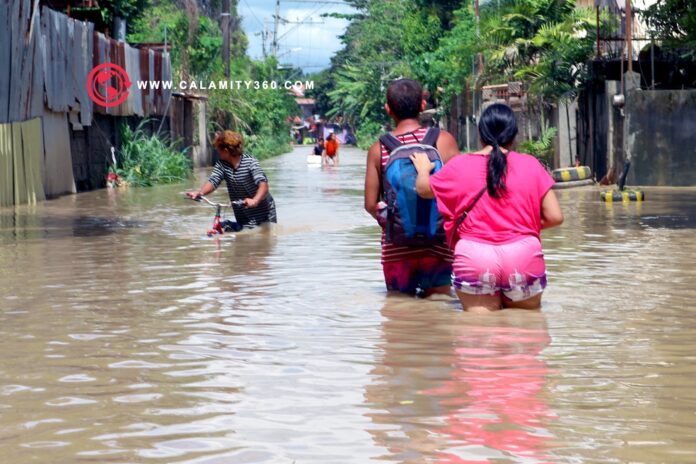

When Floodwaters Turn Deadly in Minutes
Floods can escalate faster than most people expect, leaving little time to react or seek safety. Even shallow water moving quickly can sweep away vehicles and endanger pedestrians. Understanding the speed and force of rising water is critical to avoiding preventable deaths.
Many underestimate how rapidly rainfall or river overflow can transform streets and low-lying areas into deadly currents. Without preparation, families may find themselves trapped or forced to make dangerous decisions. Flash floods often occur with minimal warning, emphasizing the importance of situational awareness at all times.
Communities with flood histories often develop early-warning systems, yet individuals sometimes ignore alerts due to false confidence. Relying on past experiences or assumptions about flood timing can have fatal consequences. Swift, informed action is essential the moment signs of rising water appear.
The goal of this article is to provide five practical strategies to stay alive during sudden floods. Each step is designed to minimize risk and maximize chances of survival. By understanding and applying these techniques, readers can respond confidently when floodwaters rise unexpectedly.
Flood awareness, preparation, and immediate action combine to save lives and prevent injuries. Recognizing hazards, planning escape routes, and maintaining emergency supplies are vital components of survival. Learning from past flood events helps individuals take proactive measures before disaster strikes.
1. Recognizing Early Flood Signals Before They Escalate
Rising water levels in rivers, streets, or drainage systems often provide the first visual warning of imminent flooding. Darkening skies and unusually heavy rainfall can indicate rapidly increasing flood risks ahead. Observing changes in water color or debris movement helps gauge the severity and speed of flooding.
Unusual sounds, like rushing water or distant sirens, serve as auditory cues that conditions are worsening quickly. Residents should remain alert to local alerts and emergency broadcasts to complement their environmental observations. Combining visual and auditory signals improves situational awareness and allows for faster, more informed decisions.
Environmental changes, such as sudden soil erosion, overflowing drains, or unexpected puddles, often precede full-scale flooding. Paying attention to these subtle indicators can provide crucial extra minutes to reach safety. Quick recognition of these early signs can dramatically reduce the chance of being trapped.
Local knowledge of flood-prone areas significantly enhances the ability to interpret warning signals correctly. Community bulletins, smartphone alerts, and real-time weather updates support proactive responses before flooding intensifies. Individuals who act early often avoid life-threatening situations that catch unprepared people by surprise.
Even minor streams or roadside ditches rising unusually fast should be treated as potential hazards. Situational awareness includes monitoring both natural indicators and official updates to avoid misjudging the risk. Acting on early signals rather than waiting for dramatic signs is critical for survival.
Watching the behavior of animals, such as birds or pets seeking higher ground, can provide nontraditional flood cues. These natural warnings often precede visible water escalation and can signal danger before human infrastructure alerts. Observing patterns in wildlife behavior adds another layer of early detection during heavy storms.
Communities that experience flash floods frequently implement local alert systems and volunteers trained to identify early signals. Residents should familiarize themselves with these protocols to enhance readiness and avoid confusion during emergencies. Integrating community guidance with personal observation ensures a faster, coordinated reaction to rising waters.
Timely recognition of early flood signals allows for prompt evacuation and emergency preparation. Consistent vigilance and proactive attention to environmental and technological indicators increase survival chances during sudden floods. Developing a habit of monitoring early warning signs is essential for all flood-prone households.
2. Prioritizing Safe Evacuation Routes Over Familiar Paths
Relying on habitual routes during floods can be extremely dangerous because water may block roads unexpectedly. Even familiar streets can become impassable as currents increase, trapping vehicles and pedestrians alike. Predetermined evacuation routes are designed to remain accessible and reduce the risk of being caught in rising water.
Planning multiple exit routes in advance provides alternatives if primary paths become unsafe or congested. Evacuation maps from local authorities indicate which roads are structurally sound and less prone to flooding. Following these recommended paths significantly increases the likelihood of reaching safe zones without unnecessary delays.
Floodwaters often rise faster than expected, making last-minute decisions on familiar roads life-threatening. Drivers or pedestrians who ignore planned routes may encounter sudden deep water or strong currents. Awareness of safe paths reduces panic and ensures more orderly and effective evacuations.
In some neighborhoods, habitual routes cross low-lying areas or bridges that flood quickly and become hazardous. Understanding terrain and elevation along evacuation paths helps prevent dangerous detours and delays during storms. Relying solely on experience instead of updated information increases vulnerability when conditions change rapidly.
Evacuation preparedness should include reviewing route conditions before leaving, noting potential hazards along the way. Local alerts and navigation apps can provide real-time updates on road closures and flood-prone zones. Consistently choosing safe, preplanned paths strengthens personal safety during sudden or severe flooding events.
Traveling in groups along known safe routes can further reduce risks and improve response coordination. Households should designate meeting points and communicate chosen paths to ensure everyone stays accounted for. Coordination minimizes confusion when multiple people evacuate simultaneously under stressful conditions.
Children and elderly family members require special attention when moving along evacuation routes to avoid slips or falls. Ensuring everyone is aware of safe stopping points and avoiding flooded areas is essential. Personal readiness combined with clear route planning prevents accidents during critical moments.
Regularly updating evacuation plans and practicing route familiarity improves confidence during actual flood events. Knowledge of safe alternatives allows quick adaptation if unexpected obstacles arise during travel. Prioritizing safe paths over familiar habits is a key strategy for surviving sudden floodwaters.
3. Securing Essential Items Without Compromising Personal Safety
During sudden floods, grabbing non-essential belongings can delay evacuation and put lives at serious risk. Focus on items that support immediate survival such as medications, identification, and essential documents. Quick decisions under pressure ensure you leave safely without unnecessary exposure to rising waters.
A compact emergency kit should include food, water, flashlight, batteries, and first aid supplies. Carrying only essential items allows faster movement and reduces fatigue when navigating dangerous conditions. Overpacking or retrieving valuables increases the likelihood of slips, falls, or getting trapped.
Family members should coordinate in advance which items are critical to avoid confusion during evacuation. Prioritize items that maintain health, communication, and safety for everyone in the household. Preparing these essentials ahead of time minimizes the need to make risky choices during the storm.
Electronics and personal valuables are replaceable, but delaying evacuation for them can be fatal. Even a few minutes spent gathering items can expose you to rapidly rising floodwaters. Smart planning and restraint improve your chances of reaching safe zones promptly.
Keeping a portable bag of essentials ready near exits saves precious time during emergencies. Frequent checks ensure that supplies remain functional, up-to-date, and easy to grab without hesitation. This practice allows focus on safely evacuating rather than last-minute scrambling for items.
Children and elderly members need supervision when retrieving essential items to avoid accidents or injuries. Ensuring they have access to pre-packed bags reduces the need for dangerous movements. This preparation also helps reduce panic and maintains calm during high-stress situations.
Emergency items should be accessible from multiple points in the home if possible. In multi-level residences, consider keeping supplies on each floor to prevent risky descents during floods. Accessibility and strategic placement are key to minimizing exposure while securing essentials.
Regularly reviewing and updating your emergency kit ensures that critical items remain relevant and functional. Practicing quick retrieval drills strengthens confidence and reinforces safe habits under real flood conditions. Prioritizing safety over possessions is the most effective way to survive sudden floodwaters.
4. Avoiding Common Water Hazards That Trap People Instantly
Floodwaters hide many dangers that can quickly turn deadly if underestimated. Strong currents can sweep even experienced swimmers off their feet in seconds. Debris like branches, trash, and sharp objects can cause serious injuries or trap limbs unexpectedly.
Electrical hazards are often present when floodwaters submerge outlets, wiring, or appliances. Contact with live electricity in water can result in instant electrocution. Avoid any water that may be in contact with power sources, even if it appears shallow.
Roads and bridges may appear stable but can collapse under hidden erosion caused by floodwaters. Underestimating the structural damage of water can trap vehicles and endanger occupants. Even low-lying areas with slow-moving water can present unexpected risks to pedestrians and drivers alike.
Vehicles are particularly vulnerable in moving water, as even a few inches can sweep them away. People often misjudge the strength of currents when attempting to drive or walk through water. Patience and caution are essential to avoid becoming trapped or stranded during sudden flooding.
Children and pets are especially at risk in flood conditions and should never be left unattended. Their smaller size makes them more susceptible to currents and hidden hazards. Keeping everyone together and on high ground is a critical part of survival strategy.
Strong water flows can undermine riverbanks, sidewalks, and roads, creating sudden collapses underfoot. Even familiar areas can become hazardous in minutes when floodwaters rise rapidly. Awareness of these risks helps prevent panic and allows for safer, more deliberate movement.
Avoid shortcuts that lead through low-lying or poorly lit areas, as these often hide dangers. Floodwaters can conceal holes, sharp objects, or entangling debris that are not immediately visible. Opt for higher ground and established paths to maintain safety during sudden flooding.
Always respect warning signs and local advisories that indicate dangerous flood zones. Emergency crews often place barriers for good reason, protecting the public from unseen threats. Following guidance and maintaining vigilance around water hazards is vital for survival.
5. Helping Others Safely Without Endangering Yourself
During sudden floods, it is natural to want to assist neighbors or family members in danger. Prioritize your own safety first because rescuers can become victims if precautions are ignored. Ensuring you are secure allows you to help others more effectively and without panic.
Assess the situation before attempting any rescue and consider the water’s depth and speed. Fast-moving water can easily overwhelm even the strongest adult, making reckless attempts deadly. Using ropes, life jackets, or other safety equipment improves chances of assisting someone without being swept away.
Do not attempt to rescue anyone if it requires entering deep or fast-moving floodwaters alone. Wait for emergency personnel or use safe methods like throwing a floatation device or reaching from dry ground. Maintaining a safe distance is crucial to avoid creating additional emergencies during rescue attempts.
Helping children, the elderly, or pets demands careful planning and proper safety measures to avoid accidents. Their smaller size or limited mobility increases risk during strong currents or sudden surges. Keeping communication clear and having a prearranged plan reduces confusion and enhances survival odds.
Avoid attempting vehicle rescues, as cars can shift unexpectedly or be swept away with occupants inside. Observing from a safe vantage point allows guidance and assistance without putting yourself in immediate danger. Even a simple gesture like providing information or directing to higher ground can save lives.
When assisting multiple people, work systematically and calmly rather than rushing into chaotic action. Coordination with others ensures that help is efficient without endangering anyone in the group. Quick thinking combined with caution greatly increases the effectiveness of lifesaving efforts during floods.
Be realistic about what you can achieve during a sudden flash flood without risking injury. Some situations are simply too dangerous to intervene directly, and calling for professional help is wiser. Understanding your limits ensures that you remain capable of helping as much as safely possible.
Always encourage neighbors and family to prepare in advance, so less assistance is needed during emergencies. Early preparedness, awareness, and prearranged signals reduce the need for dangerous, last-minute rescues. Personal safety combined with proactive planning creates a stronger, more resilient response to flash floods.
Transforming Awareness into Lifesaving Flood Habits
Experiencing sudden floods emphasizes the importance of proactive planning and constant vigilance in daily life. Developing habits like monitoring local alerts ensures quicker response times and reduces panic during emergencies. Consistently preparing emergency kits and escape routes strengthens personal safety and the safety of loved ones.
Regularly reviewing evacuation plans and practicing drills makes reactions instinctive rather than reactive when floodwaters rise unexpectedly. Awareness of environmental cues combined with preplanned actions allows individuals to make informed decisions quickly. Teaching these habits to family members ensures everyone knows how to respond without confusion or delay.
Stocking essential supplies, including water, food, and first aid items, must be part of routine preparation. Keeping items accessible and periodically checking for usability prevents wasted time and resources during actual floods. Simple measures like securing important documents in waterproof containers can prevent major losses during emergencies.
Vigilance extends to understanding surrounding hazards such as fast-moving water, debris, and unstable structures. Habitually monitoring forecasts and river levels enhances readiness and prevents underestimating potential dangers. Combining knowledge with action ensures that survival strategies are practical, repeatable, and effective under stress.

CALAMITY360.com delivers global news and safety insights on earthquakes, tsunamis, volcanic eruptions, floods, wildfires, storms, and tornadoes. It provides timely updates, expert tips, and disaster-readiness information to foster awareness, preparedness, and resilience across communities worldwide.