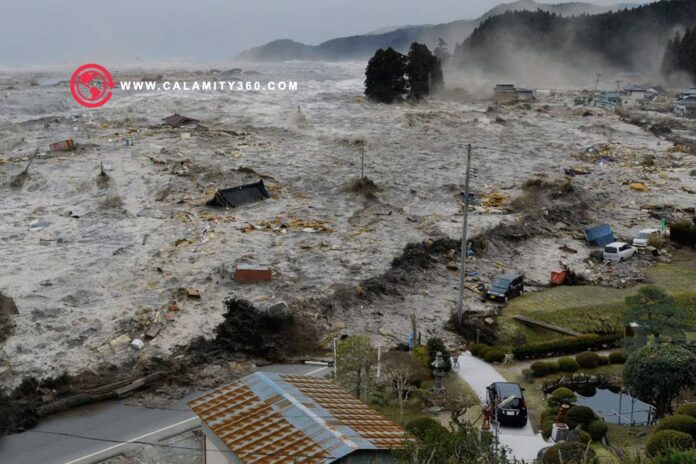

When the Waves Approach and Time Feels Too Short
Tsunami awareness is essential for students because early understanding can prevent injuries and save lives. Quick decision-making and calm responses significantly increase the chances of reaching safety during sudden waves. Schools and families must emphasize the importance of recognizing hazards and acting immediately when alerts sound.
Many students underestimate how fast a tsunami can reach coastal areas, leaving little time to react. Even a short delay in movement can mean the difference between safety and serious harm. Education about tsunami behavior helps students grasp the urgency required during natural disasters.
Being prepared involves knowing evacuation routes, identifying safe zones, and keeping essential items ready at school or home. Teachers and school staff play a critical role in guiding students through safe procedures. Practicing these steps repeatedly ensures students can act without hesitation during a real emergency.
Quick action is especially important because waves can arrive within minutes of an earthquake or warning siren. Panic or confusion can slow response times and put entire classrooms at risk. Reinforcing proactive behavior and awareness instills confidence in students to manage emergencies effectively.
Ultimately, understanding the severity of tsunami threats encourages students to take preparation seriously and develop safety habits. Early recognition, rapid response, and adherence to drills ensure better survival odds for everyone involved. Awareness in schools forms the foundation for the following strategies and safety measures.
1. Recognizing Early Signs That a Tsunami Could Strike Quickly
Students must learn to recognize natural signs that indicate a tsunami might be approaching rapidly. Sudden, unusually strong earthquakes can be the first warning of dangerous waves forming offshore. Observing these early indicators allows students to react quickly and move toward safer areas immediately.
An unusual retreat of the ocean, where water suddenly pulls back from the shore, signals imminent danger. This phenomenon exposes parts of the seabed normally submerged and is often followed by powerful incoming waves. Students should understand that such a sight requires immediate evacuation without waiting for official alerts.
Strong and prolonged shaking from an earthquake is another critical warning that a tsunami could strike nearby coastlines. The magnitude and duration of tremors can give clues about potential tsunami severity. Awareness of earthquake intensity helps students anticipate the urgency of moving to higher ground or reinforced structures.
Unexplained changes in sea color or sudden foam patches can also indicate underwater disturbances generating tsunamis. These visual signs often precede the arrival of massive waves and can appear minutes before landfall. Teaching students to notice such subtle cues increases the chances of safe and timely evacuation.
Hearing unusual or loud sounds from the ocean, such as roaring or rushing noises, can warn of approaching waves. These auditory signs are especially important when visual indicators are unclear or obstructed. Encouraging students to trust their senses can prompt life-saving reactions in seconds.
Tsunamis can travel at high speeds, reducing the time between initial warning and land impact drastically. Students need to understand that delays caused by doubt or hesitation can prove fatal. Immediate response to natural indicators is as important as following official emergency instructions.
Teachers should reinforce drills that include identifying early natural signs along with practicing rapid evacuation. Combining sensory awareness with prepared routes ensures students act efficiently under pressure. Regular repetition of these exercises builds confidence and reduces panic during real emergencies.
Ultimately, understanding and recognizing early tsunami indicators equips students with the knowledge to respond effectively. Awareness of natural signs forms the foundation for the next steps in school evacuation and personal safety.
2. Understanding School Evacuation Plans Before Disaster Hits
Students must familiarize themselves with school evacuation plans to ensure quick and safe responses during a tsunami emergency. Knowing multiple routes and exits allows faster movement to safe zones without confusion or delays. Teachers and staff rely on students understanding these plans to maintain order during critical moments.
Each school should have clearly marked evacuation routes, assembly points, and emergency procedures visible to all students. Understanding where to go and what to do minimizes panic and ensures everyone moves efficiently. Students should practice navigating these routes in both normal and simulated emergency conditions for confidence.
Regular review of evacuation maps helps students memorize the quickest paths to safety and alternative options. Assembly points must be located in elevated or reinforced areas far from potential tsunami inundation. Coordination with classmates during drills reinforces teamwork and ensures no one is left behind during real events.
Students should also know the responsibilities of teachers and staff during emergencies, including who leads and who assists. Recognizing these roles prevents confusion and allows students to follow instructions promptly. Drills that combine role assignments and route familiarity build muscle memory for effective response under pressure.
Schools in coastal areas may face challenges such as blocked exits or flooding during tsunami threats. Understanding contingency plans and alternative routes ensures students can adapt to unexpected obstacles. Students must be aware that evacuation may require moving farther than usual to reach safe zones.
Practicing evacuation under time constraints teaches students to make decisions quickly while remaining calm and cooperative. Speed and accuracy are essential when waves can arrive within minutes of an earthquake or natural warning signs. Repeated exercises enhance situational awareness and confidence during high-stress situations.
Emergency communication protocols, including alarms and public address announcements, guide students during evacuations. Knowing how to respond to these alerts prevents hesitation and reduces the chance of injury. Students should also be trained to assist peers who may struggle with mobility or comprehension during evacuations.
Ultimately, understanding school evacuation plans equips students with the knowledge to act decisively when disaster strikes. Familiarity with routes, assembly points, and procedures ensures a coordinated response and increases the likelihood of survival. This preparation builds the foundation for identifying safe zones around school grounds and nearby areas.
3. Safe Zones Around School Grounds and Nearby Areas
Students should identify safe zones that are elevated or reinforced to provide protection during a tsunami. Roofs, upper floors, and designated assembly areas can serve as temporary refuges if evacuation is necessary. Knowing these locations in advance allows faster movement and reduces confusion during emergencies.
High ground surrounding the school is often the safest option when waves threaten to inundate lower areas. Hills, raised platforms, and reinforced open spaces provide better protection from fast-moving water and debris. Students must move quickly to these zones while following established evacuation routes.
Reinforced buildings designed to withstand extreme water pressure can also serve as critical safe zones for students. Interior rooms without windows and structures with strong foundations minimize the risk of injury. Identifying multiple reinforced buildings in the vicinity ensures that students have alternatives if primary zones are inaccessible.
Nearby public areas, including parks or community centers on higher ground, can provide additional safety options. Students should be aware of the fastest routes to reach these locations under time constraints. Coordination with teachers ensures groups move efficiently while maintaining awareness of potential hazards along the way.
Safe zones must be marked clearly and communicated during drills to build familiarity and confidence. Students should understand which areas are safest for different times of day and varying school schedules. Practicing movement to these zones reduces panic and increases the likelihood of successful evacuation.
Temporary shelters such as elevated platforms, sturdy stairwells, and reinforced rooftops may be used if outdoor zones are inaccessible. Students need to assess risks quickly and decide the most secure area in seconds. Awareness of multiple options allows flexibility and ensures survival under unpredictable conditions.
Accessibility for all students, including those with limited mobility, is critical when designating safe zones. Teachers and staff must help ensure every student reaches a reinforced area or elevated ground promptly. Planning for inclusivity strengthens overall preparedness and prevents injuries during fast-moving tsunami events.
Ultimately, knowing safe zones around school grounds and nearby areas empowers students to make rapid, informed decisions. Familiarity with elevated and reinforced locations lays the groundwork for effective communication and emergency kit use. This knowledge seamlessly connects to strategies for maintaining communication during tsunami emergencies.
4. Communicating Effectively During a Tsunami Emergency Situation
Clear communication during a tsunami emergency helps students stay informed and reduces panic during chaotic situations. Teachers play a vital role in relaying instructions to ensure everyone moves safely to designated safe zones. Students must know how to report their status and whereabouts to maintain accountability during evacuations.
Using mobile phones, messaging apps, and school communication systems allows students to quickly inform family members of their safety. Keeping devices charged and accessible ensures contact can be made even under stressful conditions. Students should avoid spreading unverified information that could create confusion or unnecessary fear.
Verbal communication with classmates and teachers is essential, especially when technology fails or signals are weak. Coordinating movement and confirming everyone’s presence prevents separation and lost students during evacuation drills. Clear instructions reduce delays and ensure students reach safe zones efficiently.
Emergency radios and public address systems provide official updates about tsunami conditions and safe routes. Students must pay attention to these messages and follow guidance promptly to avoid hazards. Combining multiple communication channels increases reliability and minimizes the risk of miscommunication.
Students should establish simple codes or signals for immediate responses in case of sudden threats. Hand signals, whistles, or prearranged phrases can convey critical information without causing panic. Practicing these methods during drills ensures everyone understands and responds appropriately in real situations.
Maintaining calm and concise communication prevents misunderstandings and ensures that instructions are followed accurately during evacuations. Teachers and staff should check each student’s status before moving to alternate safe zones. Accountability and clear messaging reduce the chances of injury or being left behind.
Peer-to-peer communication encourages students to help each other while moving to elevated or reinforced areas. Assisting classmates with mobility challenges or anxiety ensures the group remains safe and organized. Cooperation strengthens group response and builds confidence in handling real tsunami emergencies.
Ultimately, effective communication allows students to act decisively and reach safe zones without unnecessary delays. Staying connected with teachers, classmates, and family enhances preparedness and supports overall tsunami safety. This foundation naturally leads into the importance of emergency kits for student survival during a tsunami.
5. The Role of Emergency Kits in Student Safety During Tsunamis
Portable emergency kits are essential for students to survive and stay comfortable during a tsunami emergency. These kits should include water, non-perishable snacks, and basic first aid supplies to address minor injuries. Having these items readily accessible allows students to respond quickly without wasting precious time.
Light sources such as flashlights or headlamps are critical when power outages occur during a tsunami. Extra batteries or solar-powered options ensure that lighting remains available throughout the emergency. Students should also carry whistles or small signaling devices to attract attention if separated from the group.
Emergency kits should contain personal hygiene items, including masks, hand sanitizer, and tissues, to maintain cleanliness. Keeping these items in a waterproof container protects them from water damage during evacuation. Students should regularly check supplies for expiration and replace items as needed to maintain readiness.
Communication tools, such as fully charged mobile phones or prewritten contact cards, allow students to stay in touch with family and teachers. These items help coordinate reunification and relay important information during chaotic situations. Being prepared with these tools enhances confidence and reduces stress during emergencies.
Extra clothing and blankets are useful for maintaining warmth and comfort while waiting for rescue or safe conditions. Students should include rain gear or ponchos to protect against exposure during heavy rainfall associated with tsunamis. Proper planning ensures that even minor discomforts do not impede safety or decision-making.
Including simple tools like multipurpose knives, duct tape, and small rope can assist in emergencies and unexpected situations. These items enable students to manage minor obstacles while moving to safe zones. Practical items enhance independence and self-reliance during evacuation.
Students should customize kits to their personal needs, such as medications, eyeglasses, or other essential items. Tailoring the kit ensures that every individual is fully prepared to handle specific vulnerabilities. Teachers can assist in identifying what each student should include for optimal preparedness.
Ultimately, emergency kits provide a practical foundation for student safety during tsunami events. Properly prepared kits allow students to focus on evacuation and decision-making rather than worrying about missing essentials. Awareness of kit contents naturally leads to practicing drills and safe evacuation strategies.
6. Practicing Drills to Build Confidence and Speed in Response
Regular tsunami drills are essential for students to respond quickly and confidently during real emergencies. Practicing evacuation routes helps them memorize safe paths and reduces hesitation when warnings sound. Role-playing different scenarios prepares students for unexpected obstacles or blocked routes during a tsunami.
Drills should include both indoor and outdoor routes to familiarize students with alternative paths to safety. Teachers should guide students in moving calmly and efficiently while avoiding panic or overcrowding. Repeating exercises ensures that responses become instinctive rather than reactive under pressure.
Simulated tsunami exercises allow students to experience time constraints similar to actual events and develop quick decision-making. Practicing carrying emergency kits and communicating with peers reinforces preparedness and coordination. Drills also teach students how to assist younger or vulnerable classmates during evacuation.
Understanding multiple exit points and safe zones increases flexibility if the primary route becomes inaccessible. Students must be able to adapt quickly while maintaining awareness of hazards and following teacher instructions. Confidence grows as students practice navigating through various scenarios repeatedly throughout the school year.
Including role-playing elements, such as acting out injuries or blocked pathways, enhances critical thinking during emergencies. Students learn problem-solving and improvisation while still adhering to safety guidelines. These exercises reduce fear and increase resilience when facing real tsunami threats.
Teachers should evaluate drill performance and provide feedback to improve speed, coordination, and communication among students. Identifying mistakes or delays during practice allows for adjustments before a real emergency occurs. Continuous evaluation strengthens the overall effectiveness of tsunami preparedness programs in schools.
Community drills involving nearby schools or local authorities reinforce collaboration and situational awareness. Students gain experience navigating unfamiliar areas while practicing evacuation procedures. Such involvement fosters a culture of preparedness beyond the classroom and builds stronger community safety networks.
Ultimately, practicing drills ensures students are not only prepared but confident in responding to tsunami emergencies. Repeated exercises, scenario planning, and alternative route knowledge enhance survival odds. This preparation directly supports assisting peers and ensuring everyone evacuates safely during actual tsunami events.
7. Helping Peers and Ensuring Everyone Evacuates Safely
Teamwork is essential during a tsunami evacuation to ensure all students reach safety efficiently and without panic. Older or stronger students should assist younger or vulnerable classmates during movement to safe zones. Helping peers fosters a supportive environment and strengthens the overall effectiveness of evacuation efforts.
Students must stay aware of classmates who may struggle with mobility or understanding instructions. Teachers can assign partners or small groups to make sure no one is left behind. This method encourages accountability and allows students to focus on helping each other while following evacuation routes.
Communication between peers is crucial for maintaining group cohesion and preventing anyone from becoming separated. Whispered reminders, hand signals, or predetermined codes can alert others to obstacles or delays. Remaining calm and supportive helps peers feel secure even in high-pressure situations.
Evacuating safely requires coordination, patience, and empathy, especially when paths become congested or blocked. Students should anticipate potential hazards and adjust their pace while assisting peers. Cooperation ensures that vulnerable individuals reach reinforced areas or elevated zones without unnecessary risk.
Training through drills helps students practice assisting peers under realistic time constraints and simulated obstacles. Role-playing different scenarios, such as a peer needing extra help, builds confidence in real emergencies. Practicing these skills strengthens both physical coordination and emotional readiness during actual tsunami events.
Students should recognize the importance of collective responsibility and not prioritize personal speed over group safety. Each person’s action can influence the safety of the entire group during rapid evacuations. Encouraging accountability and attentiveness reduces panic and improves overall evacuation efficiency.
Teachers and staff play a supporting role, guiding groups while monitoring peer assistance and ensuring no one is left behind. Adults can intervene if a student requires additional help or if confusion arises. This combined effort between students and staff maximizes survival chances during sudden tsunami threats.
Ultimately, helping peers and ensuring everyone evacuates safely teaches valuable life skills beyond tsunami preparedness. Cooperation, empathy, and attentiveness enhance safety during emergencies and strengthen community awareness. These lessons naturally support building lifelong habits of vigilance and readiness in students.
Making Safety Habits a Lifelong Skill Beyond School Walls
Students must carry tsunami awareness beyond the classroom to protect themselves in communities and everyday life. Recognizing early warning signs and knowing evacuation routes should become habitual, not limited to drills. Applying these habits consistently increases safety and readiness during unexpected natural events.
Families and community members should be included in safety planning to reinforce student preparedness at home. Sharing knowledge about high ground, emergency kits, and communication strategies ensures everyone is informed. Students can act as advocates, encouraging friends and relatives to adopt similar safety practices.
Regular participation in community drills and awareness programs strengthens practical knowledge and builds confidence in responding effectively. Students learn to adapt school-based skills to real-world environments, including beaches, parks, and local streets. Practicing situational awareness and rapid decision-making in diverse locations prepares them for unpredictable tsunami threats.
Students should develop a personal safety mindset, including preparing emergency kits and maintaining communication plans with family members. This mindset ensures that quick, informed actions become automatic during emergencies. Carrying these habits into daily routines minimizes panic and increases survival chances.
Collaborating with peers in the community reinforces teamwork and collective responsibility beyond school settings. Assisting others, sharing information, and modeling proper behavior spreads preparedness and awareness widely. Students who internalize these practices contribute to stronger, safer communities capable of responding to natural disasters.
Ultimately, embedding tsunami preparedness into daily life transforms students into proactive, vigilant individuals. Lifelong safety habits extend the lessons learned in school into meaningful, real-world action. These behaviors solidify awareness, readiness, and resilience long after drills and classroom lessons end.

CALAMITY360.com delivers global news and safety insights on earthquakes, tsunamis, volcanic eruptions, floods, wildfires, storms, and tornadoes. It provides timely updates, expert tips, and disaster-readiness information to foster awareness, preparedness, and resilience across communities worldwide.