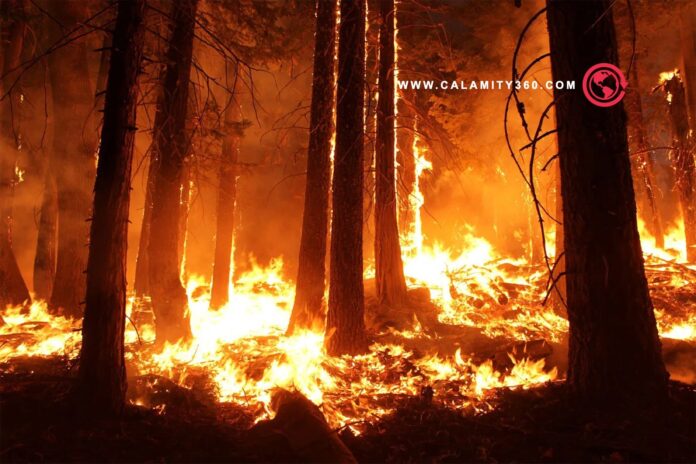

When Flames Appear Closer Than They Really Seem
Wildfire myths often create a false sense of security, causing residents to underestimate potential danger around them. Many people believe that distant flames do not pose immediate threats, yet wind and dry conditions can quickly spread fire. Understanding how wildfires behave is essential for making timely and safe decisions during high-risk periods.
People frequently rely on assumptions rather than verified information, leading to delayed evacuation or inadequate preparation. Misconceptions about fire behavior can cause confusion, panic, and even put lives at risk in emergency situations. Accurate knowledge about fire patterns allows residents to respond efficiently and prioritize safety for themselves and their families.
Local authorities emphasize that fires can appear deceptively small but escalate rapidly due to environmental factors. Hills, valleys, and wind corridors can carry embers over long distances, igniting new hazards unexpectedly. Recognizing these dangers early can make the difference between safe evacuation and being trapped by advancing flames.
Community education programs aim to replace myths with practical advice, ensuring residents understand the urgency of wildfire warnings. Schools, neighborhood groups, and fire departments provide resources on evacuation routes, emergency kits, and safety protocols. Being proactive rather than reactive reduces risk and enhances overall preparedness for any wildfire event.
Residents must internalize that perception alone cannot gauge wildfire danger accurately and that reliance on assumptions is hazardous. Continuous vigilance, preparedness drills, and staying informed through trusted channels significantly improve outcomes during wildfires. Understanding reality over myths equips individuals to act decisively when fire approaches their homes and neighborhoods.
Myth 1: Believing Small Fires Are Always Safe to Ignore
Many residents assume that small flames do not pose immediate danger and can be overlooked. This belief often leads to delayed action, allowing fire to spread unnoticed. Underestimating minor fires can result in property damage and life-threatening situations if they escalate rapidly.
Small fires can grow quickly under dry conditions, strong winds, or abundant vegetation nearby. Even a single ember landing in dry grass can ignite a much larger blaze. Residents who ignore these warning signs risk being caught off guard by sudden fire expansion. Emergency response times may not be fast enough to control the spread efficiently.
Fire experts warn that small fires can generate embers, which travel significant distances and start secondary fires. These secondary ignitions often occur unpredictably, compounding danger in surrounding areas and making evacuation more urgent. Rapid growth means residents must act at the first sign of fire, regardless of apparent size.
Communities are encouraged to educate residents on recognizing even minor fire risks and reporting them promptly. Authorities advise keeping tools and water ready to contain small ignitions before they become uncontrollable. Early intervention can prevent catastrophic loss and reduce the overall impact of wildfires on neighborhoods.
Failing to respect the potential of small flames perpetuates myths that jeopardize both personal and public safety. Each minor fire must be treated as a serious threat requiring immediate attention and precautionary measures. Awareness, preparedness, and swift response are critical to stopping small fires from escalating dangerously.
Residents must internalize that even seemingly insignificant flames can become uncontrollable without prompt intervention. Observing local fire alerts, maintaining defensible space, and acting early dramatically improve survival and property protection. Proper understanding of small fire behavior ensures individuals are ready to respond effectively in emergencies.
Ignoring small fires can also delay community-wide alerts, putting neighbors at unexpected risk. Coordinated action from residents and authorities reduces the chance that minor ignitions turn into widespread emergencies. Vigilance and respect for every fire, regardless of size, save lives and protect homes.
Being proactive about small fires includes knowing how to extinguish manageable flames safely and when to evacuate. Residents who act responsibly demonstrate a commitment to personal safety and community resilience against wildfire threats. Early response and caution prevent minor incidents from transforming into major disasters.
Myth 2: Thinking Fire Moves Only Slowly Across the Land
Many people assume that wildfires advance gradually, allowing ample time to escape or respond safely. This misconception can be deadly when fire spreads rapidly under certain conditions. Wind, dry vegetation, and hilly terrain can transform a slow-moving fire into a fast-moving threat within minutes.
Strong winds can carry flames and embers far ahead of the main fire front. Dry conditions and low humidity make vegetation highly flammable, accelerating wildfire spread unexpectedly. Residents relying on outdated ideas about fire speed may underestimate the urgency required to evacuate effectively. Emergency crews often warn that fires can double their size within an hour under extreme conditions.
Wildfires can leap across roads, rivers, or other natural barriers when wind gusts are high. Embers blown over long distances ignite secondary fires, making the fire’s advance unpredictable and dangerous. Planning an escape route must consider how quickly conditions can change, not how slowly fire appears to move. Firefighters emphasize that understanding rapid fire behavior is essential for personal and community safety.
Even areas that seem safe can become hazardous within moments due to flying embers and sparks. Residents should monitor official alerts and be ready to evacuate at the first warning. Fire spread depends on multiple factors, and underestimating speed increases risk to lives and property.
Assuming fires move slowly can result in hesitation, trapping people in high-risk zones. Rapid response and awareness of local fire patterns are crucial to staying ahead of danger. Communities must educate residents that fire behavior is dynamic and often faster than it appears.
Evacuation planning should account for sudden flare-ups, shifting winds, and unpredictable ember showers. Those who prepare in advance are more likely to leave safely and protect property. Understanding that fire can move quickly ensures better decision-making during emergencies and reduces panic.
Neighbors and local authorities must work together to communicate sudden changes in fire conditions effectively. Quick dissemination of information saves lives by prompting timely evacuations and preventing confusion. Awareness of fire speed allows residents to act decisively instead of relying on dangerous assumptions.
Residents should always respect wildfire warnings and never assume they have extra time. Fire behavior can change in moments, making early action critical for survival. Vigilance, preparation, and swift response are essential strategies when fire threatens any community.
Myth 3: Homes Surrounded by Trees Are Naturally Protected
Many homeowners believe that surrounding trees provide a natural shield against wildfires, keeping their homes safe. This assumption is misleading because vegetation often serves as fuel, increasing the intensity and speed of fires. Dense tree cover can trap heat and embers, making structures more vulnerable than exposed buildings.
Flammable leaves, needles, and branches create pathways for flames to reach roofs and walls quickly. Fires can jump from nearby trees directly to homes, bypassing any perceived protective benefit. Residents must understand that proximity to vegetation demands additional precautions rather than offering natural protection. Proper landscaping and clearance reduce fire risk significantly and improve survival chances during wildfires.
Even well-watered or healthy trees can ignite under high temperatures and dry conditions. Embers from burning trees can travel long distances, landing on rooftops and starting secondary fires. Homeowners should focus on defensible space, pruning, and removing combustible debris around their property. Maintaining a buffer zone between structures and dense vegetation is a critical strategy for fire safety.
Some assume tree-lined properties are inherently safer during evacuation, but this is inaccurate. Trees can obscure escape routes and create obstacles during fast-moving fires, complicating evacuation efforts. Planning and maintaining clear paths are as important as reducing combustible materials around the home. Residents should combine landscape management with evacuation readiness to maximize safety when wildfires threaten.
Neighbors may also unintentionally increase risk by leaving overgrown trees or brush near property lines. Coordinated community efforts to manage vegetation can help reduce fire intensity and protect multiple homes. Awareness and proactive measures ensure that trees serve as aesthetic features rather than deadly hazards.
Using fire-resistant plants and creating separation between trees and structures can mitigate potential threats. Fire authorities recommend maintaining at least a 30-foot defensible space to slow fire progression effectively. Residents should treat all surrounding vegetation as a potential risk, not a natural barrier.
Understanding the real risk posed by trees encourages homeowners to take responsible fire mitigation steps. Clearing dead wood, thinning dense areas, and installing non-flammable barriers can save lives and property. Knowledge of how vegetation fuels fires replaces dangerous myths with actionable safety practices.
Homes surrounded by trees require vigilance, planning, and ongoing maintenance to remain defensible. Residents must combine structural protection with environmental management to reduce wildfire vulnerability. Proper preparation transforms potentially hazardous landscapes into safer surroundings that support evacuation and survival.
Myth 4: Assuming Firefighters Can Always Save Every Home
Many people assume that professional firefighters can protect every home during a wildfire, but this expectation is unrealistic. Firefighting resources are limited and cannot cover all threatened areas simultaneously. Residents must understand that relying solely on emergency services places them at significant risk.
Wildfires can spread faster than crews can respond, especially under extreme weather and wind conditions. Firefighters prioritize saving lives over property, meaning some homes may be left exposed intentionally. Knowing this reality emphasizes the importance of personal preparedness and proactive protective measures around the home.
Even with nearby fire stations, rapid fire growth can outpace response times, creating dangerous gaps in coverage. Evacuation readiness and defensible space around property are critical for survival when professional help cannot arrive quickly. Individuals must accept responsibility for their own safety rather than assuming external rescue is guaranteed.
Personal actions like clearing brush, installing fire-resistant materials, and following evacuation orders dramatically improve survival odds. Fire authorities recommend residents treat their home protection as a first line of defense. Communities that plan together can reduce overall risk while understanding firefighter capacity remains limited.
Overestimating firefighter capabilities can lead to delayed evacuations and preventable casualties. Preparing escape routes, emergency kits, and family communication plans ensures timely action during sudden fire threats. Awareness of resource limitations encourages residents to act promptly instead of waiting for external intervention.
Even trained professionals face challenges containing large, unpredictable wildfires, especially in rugged or heavily forested areas. Fires can jump roads, rivers, and firebreaks, leaving crews unable to protect every structure effectively. Residents who underestimate these risks risk being trapped or losing property without warning.
Insurance coverage and local emergency plans cannot replace personal responsibility in wildfire preparedness. Residents should focus on mitigation, situational awareness, and immediate action to complement professional firefighting efforts. Combining individual preparation with understanding resource limits ensures the greatest chance of safety.
Acknowledging firefighter limitations reinforces a culture of proactive preparedness and responsible decision-making. No matter the strength or presence of firefighting teams, survival depends on personal readiness. Homeowners who plan early and act decisively protect themselves and their communities during wildfire emergencies.
Myth 5: Water Sources Near Homes Guarantee Safety
Many homeowners believe that having a pond, pool, or hose nearby will protect their property from wildfire. This assumption creates a false sense of security and can delay critical evacuation decisions. Water alone cannot stop fast-moving flames, especially under extreme heat and wind conditions.
Even with accessible water, the intensity of wildfires often exceeds what small-scale sources can manage effectively. Fire can leap over ponds or pools, igniting structures despite nearby water availability. Relying solely on hoses without proper defensible space or fire-resistant materials is dangerously inadequate.
Some residents think sprinklers or garden hoses can suppress embers before they ignite roofs or vegetation. While minor flames might be temporarily cooled, embers carried by wind can bypass any localized water source. This misconception leads to complacency, increasing risk of injury and property loss during a wildfire emergency.
Wildfires can produce radiant heat strong enough to ignite homes even if water is present nearby. Fire-resistant landscaping, clear defensible zones, and evacuation readiness are far more effective safety measures. Residents must integrate water use into a broader preparation strategy rather than viewing it as a standalone solution.
Assuming proximity to water guarantees safety reduces motivation to remove flammable debris or maintain home protection measures. Fire can spread from multiple directions, making small water sources insufficient for protection. Understanding the limits of water access helps homeowners adopt realistic strategies for wildfire survival.
Even professional firefighting teams do not rely on nearby water for home protection alone. Structural defenses, fire-resistant construction, and rapid evacuation are far more reliable than any local water source. Homeowners must combine preparation, awareness, and quick action to maximize safety.
Communities with ponds or pools may still suffer significant damage if residents delay evacuation due to overconfidence. Awareness campaigns emphasize that water presence is not equivalent to fireproofing a property. Residents should treat all wildfire threats seriously, regardless of nearby water availability.
Ultimately, water sources near homes serve as a supplementary tool rather than a guarantee of survival. Prioritizing defensible space, emergency kits, and timely evacuation ensures better outcomes during fast-moving wildfires. Overestimating water effectiveness can endanger lives and property if other precautions are neglected.
Myth 6: Evacuation Can Always Be Delayed Until Last Minute
Many residents believe they can safely wait to evacuate until flames are visible nearby. This false sense of security is extremely dangerous because wildfire behavior can change rapidly and unpredictably. Delaying departure often leads to traffic congestion, blocked roads, and limited escape options.
Wildfires can accelerate quickly, driven by wind, dry vegetation, and steep terrain, leaving little time to react. Waiting too long increases exposure to smoke, heat, and falling debris, significantly raising injury risk. Authorities emphasize early evacuation to ensure that everyone reaches safety before conditions deteriorate further.
Some people assume they can monitor fire progression and leave when it seems closest. However, flames can leap miles in minutes, and embers can ignite homes far ahead of the main fire front. Believing in last-minute departure can trap families in dangerous conditions with no effective escape route.
Early evacuation allows residents to follow designated routes calmly, avoid panic, and protect vulnerable household members. Preparing an evacuation kit in advance, including water, masks, documents, and medications, supports safe and timely departure. Waiting until the fire is near can result in rushed decisions that compromise safety.
Emergency warnings are issued based on predicted fire behavior, not current visual threat, and ignoring them is hazardous. Roads can become impassable as the fire spreads, leaving late evacuees trapped or exposed to flames. Planning and acting immediately according to official alerts is critical for survival.
Even experienced residents underestimate how fast wildfire conditions can deteriorate without warning. Last-minute evacuation often forces drivers to navigate smoke-obscured roads and reduced visibility, leading to accidents and delays. Leaving early reduces stress, increases safety, and gives time for proper precautionary measures.
Communities with robust evacuation plans still rely on residents to act quickly once alerts are issued. Delaying departure undermines collective safety, endangering both families and first responders attempting to manage the fire. Recognizing the urgency of wildfire warnings and evacuating promptly is an essential survival strategy.
Ultimately, treating evacuation as optional or deferrable puts lives at serious risk during fast-moving wildfires. Early departure, preparation, and adherence to official guidance ensure the highest probability of safety for all residents. Responding immediately rather than hesitating can make the difference between survival and tragedy.
Myth 7: Wearing Cotton or Light Clothing Protects from Heat
Many believe wearing light cotton clothing reduces burn risk during wildfires, assuming it keeps the body cooler. This misconception can be deadly because cotton ignites easily and offers minimal protection against radiant heat. Choosing inappropriate clothing increases vulnerability when evacuating through smoky or flame-affected areas.
Synthetic fabrics, although lightweight, can melt when exposed to high temperatures, causing severe skin injuries. Fire-resistant apparel, long sleeves, pants, and sturdy shoes provide a barrier between heat and the body. Ignoring clothing choices can drastically reduce reaction time and hinder safe evacuation.
Proper wildfire attire includes natural fibers like wool or specialized fire-retardant garments designed for high-heat exposure. Covering as much skin as possible, including gloves and face protection, helps shield against sparks and embers. Residents often underestimate how quickly heat and flying debris can cause severe injuries during rapid fire spread.
Even light flames and hot embers can ignite unsuitable clothing in seconds, posing immediate danger. Protective gear slows heat transfer and allows residents to maintain mobility while escaping fire zones safely. Clothing selection should always complement other preparedness measures like masks, emergency kits, and evacuation plans.
Emergency responders recommend keeping extra protective clothing ready for all household members in case of sudden fire threats. Planning attire in advance ensures everyone is equipped to leave quickly without risking burns or smoke inhalation. Small decisions like clothing choice can have a significant impact on survival during wildfires.
Cotton t-shirts and shorts, while comfortable in normal weather, are inadequate during wildfire conditions and can worsen injuries. Layering natural or fire-resistant fabrics creates a protective barrier against radiant heat and flying debris. Early preparation and proper clothing selection reduce the likelihood of panic and allow controlled evacuation.
Parents and caregivers must model appropriate clothing choices to teach children wildfire safety effectively. Fire safety education should include understanding why certain materials are safer and how to dress for maximum protection. Misjudging clothing protection contributes to common wildfire myths that endanger entire households.
Ultimately, relying on light or cotton clothing is a dangerous myth that compromises safety in wildfire emergencies. Investing in appropriate, protective clothing is a small step that significantly increases survival chances. Awareness and adherence to fire-safe apparel protocols are critical for every resident near wildfire-prone areas.
Myth 8: Only Rural or Forest Areas Face Wildfire Threats
Many urban and suburban residents mistakenly believe they are safe from wildfires due to distance from forests. Wildfires can spread quickly into developed areas, especially when dry vegetation surrounds homes or communities. Embers carried by wind can ignite structures far from the main blaze, making all areas vulnerable.
Fire risk increases in suburban zones with parks, dry landscaping, or undeveloped plots near neighborhoods. Even cities can experience wildfire hazards when conditions are hot, dry, and windy, contradicting common assumptions. Preparedness, including evacuation plans and fire-safe landscaping, is essential regardless of proximity to forests or rural zones.
Communities near wildlands often face “wildland-urban interface” challenges, where homes meet flammable vegetation and increase fire spread potential. Emergency alerts and local fire services warn residents about approaching dangers that are not visible immediately. Residents should understand that wildfire hazards do not respect municipal boundaries or population density.
Assuming safety based on geographic location alone can delay evacuation and increase the likelihood of injury or property loss. Homeowners should maintain defensible space, remove combustible materials, and follow local fire codes to reduce risks. Even minor fires can escalate rapidly, threatening areas previously considered low-risk in suburban and urban settings.
Schools, hospitals, and commercial zones in suburban areas must implement fire response protocols to protect occupants and property. Community education programs emphasize that urban development near wildlands requires vigilance and ongoing fire mitigation strategies. Residents often underestimate ember travel distance, leading to false security in urban or semi-urban neighborhoods.
Firefighters often face simultaneous threats in multiple zones, meaning urban residents cannot rely solely on professional intervention. Early awareness, preparation, and practical safety measures are critical to avoid being trapped during rapid fire spread. Families should practice evacuation drills regardless of whether their home is near forested areas.
Insurance and municipal planning increasingly account for wildfire risks in urban-adjacent communities to minimize potential losses. Understanding that fire can strike anywhere encourages residents to maintain safety equipment, emergency kits, and escape routes. Myths suggesting only rural locations face wildfire danger create dangerous complacency among urban and suburban populations.
Recognizing that wildfire threats extend beyond rural forests ensures communities take proactive precautions to protect lives and property. Preparation, vigilance, and realistic risk assessment are essential for survival, no matter the neighborhood or city layout. Awareness and action in urban and suburban areas can prevent unnecessary injuries and catastrophic damage from wildfires.
Building Awareness and Taking Action Against Wildfire Misconceptions
Understanding wildfire myths is the first step toward protecting yourself, your family, and your property from potential danger. Education empowers residents to recognize risks, question assumptions, and respond effectively during rapidly evolving fire situations. Awareness reduces the likelihood of complacency and increases readiness when wildfires threaten communities near homes or forests.
Preparedness requires practical measures such as creating defensible spaces, maintaining emergency kits, and developing clear evacuation plans. Communities benefit when residents participate in local drills, share safety knowledge, and support fire prevention initiatives. These proactive behaviors complement professional firefighting efforts and significantly improve survival chances during wildfires.
Communication plays a critical role in spreading awareness, ensuring timely alerts, and reinforcing collective responsibility among neighbors and community members. Coordinating with local authorities and fire services helps residents understand real risks, avoid misinformation, and adopt safe practices consistently. Education campaigns and community programs provide tools to debunk dangerous myths and promote lifesaving strategies effectively.
Families and individuals should prioritize preparation year-round, not just during peak fire seasons, to mitigate unexpected threats. Maintaining vigilance, updating safety plans, and rehearsing responses instills confidence and reduces reaction times during emergencies. Long-term awareness encourages responsible landscaping, proper storage of flammable materials, and adherence to building codes that enhance fire resilience.
Taking wildfire threats seriously involves both personal action and community collaboration to prevent tragedy and minimize damage. Knowledge, planning, and decisive execution of safety measures transform awareness into tangible protection. By addressing misconceptions, residents foster a culture of proactive safety, ensuring lives and property are preserved against wildfire hazards.

CALAMITY360.com delivers global news and safety insights on earthquakes, tsunamis, volcanic eruptions, floods, wildfires, storms, and tornadoes. It provides timely updates, expert tips, and disaster-readiness information to foster awareness, preparedness, and resilience across communities worldwide.