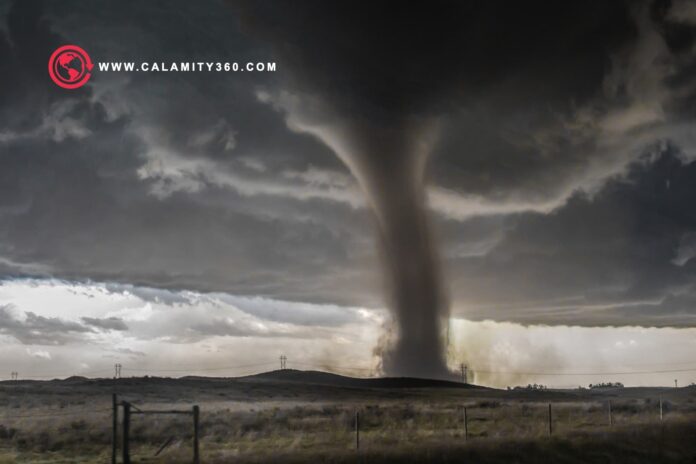

When the Sky Darkens and the Wind Suddenly Shifts
When the sky darkens unexpectedly, people often underestimate how quickly tornadoes can form in local areas. Sudden shifts in wind patterns may appear minor, yet they often precede rapidly intensifying storms requiring immediate attention. Being aware of these changes can give individuals precious minutes to seek safety before conditions worsen.
Clouds can thicken and darken within moments, signaling that a dangerous weather system is developing overhead. Winds may increase or change direction abruptly, creating a sense of instability in the environment. These subtle but critical changes are often dismissed, leaving people unprepared for the tornado that may follow. Ignoring these signals can result in last-minute panic and limited options for safe shelter.
Many tornadoes develop within minutes, leaving little room for hesitation once warning signs appear. Observing the sky for sudden color changes or fast-moving cloud formations can provide an early indication of risk. People who pay attention to wind gusts and temperature shifts are better equipped to react promptly. Staying alert and monitoring local weather updates increases the chance of avoiding serious injury during unexpected tornadoes.
Even experienced observers can misread early signs, underestimating the speed of the approaching storm. Quick assessment of environmental cues allows individuals to plan evacuation or secure shelter efficiently before conditions worsen. Being prepared with a safety plan enhances the ability to respond calmly under pressure. Families and communities that practice tornado drills often react faster and more effectively in emergencies.
Situational awareness extends beyond visual observation, incorporating sounds, smells, and animal behavior that may signal danger. A combination of keen observation, preparedness, and decisive action can significantly reduce the risk of harm. Recognizing urgency in subtle changes allows for proactive measures to protect life and property. Vigilance and attention to environmental cues can make the difference between safety and disaster.
1. Cloud Formations and Rotations That Are Easy to Overlook
Certain cloud patterns may appear harmless yet indicate the early stages of tornado development nearby. Funnel-shaped clouds forming from the base of a thunderstorm often signal potential rotation within the storm system. People unfamiliar with these formations can misinterpret them, delaying crucial safety measures until the tornado is imminent.
Rapidly rotating clouds may appear sporadically or at the edges of a storm, making them difficult to notice. Sometimes the rotation is subtle and can be missed without careful observation of cloud movement over time. Recognizing even minor rotation can provide valuable minutes to secure shelter and alert others. Environmental conditions such as lighting, rain, or haze may obscure these visual signals, adding to the risk.
A low-hanging, dark, and swirling cloud base often precedes funnel formation and possible tornado touchdowns. Observers should note changes in cloud speed, direction, and consistency as these often signal intensifying rotation. Clouds that seem to twist or roll along the horizon require immediate attention and preparedness action. Misreading these cues can leave individuals and communities exposed to sudden, life-threatening conditions. Awareness of patterns and subtle shifts is critical for timely decision-making.
Even experienced storm watchers occasionally misinterpret or overlook cloud cues that precede tornadoes. Documenting unusual cloud formations or sudden rotation and comparing them to forecasts improves situational awareness. Understanding how clouds evolve within a thunderstorm helps distinguish between harmless weather and dangerous tornado potential. Maintaining vigilance during storm development ensures faster response and more accurate threat assessment.
Watching for signs like funnels, rotation, and cloud motion is a vital part of early tornado detection. The combination of visual observation, timely alerts, and preparedness strategies increases the likelihood of safely avoiding tornado damage. Proactive monitoring of storm systems helps reduce panic and ensures that evacuation or sheltering occurs efficiently. Educating others about recognizing these cloud patterns can save lives during rapidly forming tornado events.
Some cloud formations may stretch across the horizon but still conceal rotation within smaller storm cells. Observers should scan wide areas and look for isolated swirling clouds that may precede a tornado. Even slight changes in rotation or cloud structure can indicate escalating storm intensity. Recognizing these subtleties requires patience, experience, and attention to detail for effective decision-making. Misinterpretation of these signals is a common factor in tornado-related injuries and fatalities.
Regularly observing the sky during storm conditions builds pattern recognition and early warning skills over time. Photographs or notes about unusual cloud shapes and rotations can help track storm evolution and risk. Sharing this information with family or neighbors reinforces community preparedness and speeds reaction during emergencies. Accurate interpretation of cloud rotations contributes significantly to timely evacuation and life-saving measures.
Cloud rotation should never be ignored, even when the storm appears distant or moving slowly. Early recognition and understanding of these formations provide critical minutes to move to safer locations. Vigilant observation, combined with local weather alerts, enhances the ability to respond decisively to tornado threats. Integrating cloud pattern awareness into daily storm monitoring strengthens readiness for sudden tornado developments.
2. Unexpected Changes in Temperature or Humidity That Signal Danger
Sudden drops in temperature or rapid increases in humidity often indicate unstable atmospheric conditions conducive to tornado formation. Even when skies appear calm, these abrupt changes can precede the development of dangerous rotating storms. Observers should treat such variations as a warning to heighten awareness and prepare for possible evacuation.
Atmospheric pressure can also shift quickly before tornadoes, signaling storm intensification even without visible clouds or rotation. Noticing a sudden drop in barometric pressure can provide early notice of potential tornado activity. Combining temperature, humidity, and pressure changes with visual storm cues enhances early detection and safety. Environmental sensors or personal weather instruments can help track these subtle but critical changes.
Temperature and humidity fluctuations often occur alongside gusty winds or unusual cloud movement, providing multiple signs of risk. Storms can develop tornadoes in minutes, making these small environmental cues crucial for timely reaction. Awareness of patterns and quick interpretation of these changes can save lives during sudden tornado development. Failing to recognize these signals can result in being caught off guard with minimal escape options.
Even minor variations in temperature or humidity should prompt careful observation of surrounding weather patterns. Comparing readings over short intervals allows individuals to detect anomalies that may precede a tornado. Awareness of these shifts strengthens the connection between visual observations and instrumental measurements, improving preparedness. Early recognition allows time to gather family members, secure property, and move to safer locations.
Rapid changes in humidity can create a heavy, oppressive feeling in the air, often unnoticed until clouds form. Such sensory cues, combined with falling temperatures, often indicate the energy necessary for tornadic activity. Understanding how these factors interact with wind patterns enhances predictive awareness of tornado formation. Educating others about these subtle environmental signs improves community response and reduces panic during storms.
Temperature drops can precede severe thunderstorms, producing sudden downdrafts that fuel tornado genesis near the ground. Observers should monitor both ambient conditions and local weather reports for corroborating evidence of storm escalation. Properly interpreting these cues allows for faster, more confident decision-making when evacuation is required. Remaining alert to these subtle shifts can provide critical minutes to secure safety.
Humidity and temperature shifts may be localized, meaning nearby areas could remain deceptively calm while danger approaches. Microclimates can mask the severity of tornado threats, making careful measurement essential for early warning. Maintaining awareness of local weather instruments and environmental changes enhances readiness and reduces misjudgment of storm risks. Tracking these factors helps correlate observed cloud behavior with potential tornado development.
Even under seemingly tranquil skies, unexpected environmental changes should prompt vigilance and readiness. Quick response to temperature, humidity, and pressure fluctuations can dramatically improve safety during tornado emergencies. Integrating these observations with visual and auditory warnings ensures a comprehensive approach to early tornado detection. Consistent attention to subtle environmental cues builds a habit of preparedness for sudden storms.
3. Unusual Sounds in the Sky That Hint at Tornado Threats
A sudden, low-pitched rumble in the distance can indicate that a tornado is forming nearby. These sounds often differ from normal thunder and may carry for long distances. Being attentive to unusual auditory cues can give critical seconds to take protective action.
High winds associated with tornadoes often produce a continuous roaring sound, similar to a passing freight train. This sound may intensify suddenly as the tornado approaches and becomes more organized. Unlike ordinary storm noises, this roar is steady and distinct, signaling imminent danger. Recognizing it early allows people to move quickly to safe shelter without hesitation.
Hissing or whistling sounds may accompany the rapid rotation of air within tornado funnels near the ground. These noises are often subtle at first but can escalate as the tornado draws closer. Paying attention to these auditory warnings complements visual and environmental observations for more effective detection. Sound cues often precede visible signs, giving extra lead time for evacuation and preparedness.
Crackling or snapping noises may occur as tornado winds interact with power lines, trees, or debris. These sounds serve as early indicators that the storm is intensifying in your vicinity. Combined with low rumbles or roars, they strengthen the case for immediate protective measures. Being alert to the full range of sounds enhances the ability to react swiftly.
Auditory signs can sometimes travel farther than visual cues, alerting those not yet in direct sight of the tornado. Residents should treat unusual or unexplained sky sounds as a potential warning signal. Coordinating sound observations with weather alerts and community warnings improves early response times. Ignoring these signs can lead to being caught off guard by sudden tornado arrival.
Sounds are often directional, meaning listening carefully can help determine the tornado’s approach and movement. Estimating the source of roaring or hissing noises aids in selecting the safest evacuation route. Coupling auditory cues with visual spotting of clouds or rotation increases situational awareness. The ability to interpret these signs effectively enhances personal and family safety during emergencies.
Pets and livestock may react to unusual sky sounds before humans notice, providing additional early warning signs. Animals often exhibit nervous or agitated behavior in response to low rumbles or high-pitched whistles. Observing animal reactions alongside human sensory input strengthens preparedness strategies for tornado events. Incorporating these observations into emergency plans ensures more comprehensive protection for all.
Even brief attention to atypical sky sounds can provide critical lead time during rapidly developing tornadoes. Training oneself to recognize these auditory signals improves response speed and reduces panic in emergencies. Listening actively for these cues, combined with other environmental observations, can significantly enhance tornado safety. Awareness and quick interpretation of unusual sounds turn seconds into potentially lifesaving opportunities.
4. Animals Behaving Strangely as Early Tornado Indicators
Pets often become unusually restless or anxious when atmospheric conditions signal a tornado forming nearby. Dogs may bark excessively or pace in circles, displaying behavior that is noticeably different from normal patterns. Observing these sudden changes can provide humans with valuable extra minutes to prepare and seek shelter.
Cats may hide, meow loudly, or act skittish in ways that suggest they sense approaching danger. These responses often occur before visual tornado signs are apparent, serving as early warning indicators. Paying attention to household pets’ unusual actions can complement other environmental observations and alerts. Humans who notice these behaviors can alert family members or neighbors to start safety measures immediately.
Wildlife in open areas also reacts to changes in wind, pressure, or sound linked to tornadoes. Birds may fly erratically or gather in unusually large flocks, signaling potential severe weather. Small mammals may burrow or seek shelter in a heightened state of alarm, showing instinctive responses. These natural cues often precede storm warnings issued by authorities and can be lifesaving.
Livestock such as horses, cattle, and sheep may stampede, snort, or crowd together when tornado conditions develop. Farmers and ranchers who notice these behaviors should take them seriously as potential signals of immediate danger. Monitoring herds closely during unstable weather enhances decision-making for rapid evacuation or sheltering. Being aware of animal behavior alongside official alerts increases overall preparedness and safety.
Even subtle behaviors, like dogs refusing to eat or animals moving toward shelter, should not be ignored. Early recognition of these warning signs allows more time to implement protective measures efficiently. Observing patterns in familiar animals provides context, helping to differentiate between ordinary stress and storm-induced agitation. Combining human observation with natural animal signals creates a multi-layered early warning system.
Animals often respond to shifts in barometric pressure or infrasound that humans cannot detect. Horses may become tense and vocal, while birds may take flight long before a tornado touches down. Recognizing these natural responses adds critical information to situational awareness in storm-prone areas. People who respect and monitor these instincts gain additional seconds to act safely.
Pets and wildlife can also react to environmental cues such as unusual smells or static in the air. Dogs might sniff the air anxiously or retreat to secure locations within the home. Observing these instinctive reactions helps humans anticipate tornado development when conventional indicators are less obvious. Integrating these observations into emergency plans ensures a proactive response for all household members.
Relying on animal behavior as a supplemental early warning system improves overall safety during tornado threats. Continuous attention to pets and wildlife enhances preparedness and reduces reliance on a single type of warning. Those who interpret these signals correctly often gain the advantage of extra preparation time. Combining natural instincts with meteorological alerts creates the most effective strategy for immediate tornado response.
5. Sudden Shifts in Wind Direction and Intensity You Shouldn’t Ignore
Rapid changes in wind direction often indicate unstable atmospheric conditions that may precede tornado formation. Gusts can increase suddenly, catching people off guard and reducing reaction time for seeking shelter. Observing wind shifts alongside other early warning signs enhances situational awareness and readiness.
Strong, unpredictable gusts can cause trees, debris, and loose objects to move dangerously, increasing risk. These changes may occur even when skies appear calm, making them easy to underestimate. Noticing sudden wind variations can provide critical extra minutes to implement safety measures. Paying attention to both intensity and directional changes ensures a more complete assessment of storm risk.
Wind that shifts rapidly may also interact with local topography, amplifying tornado potential in certain areas. Open fields, valleys, and urban landscapes can channel gusts unpredictably, making preparedness essential. People should monitor how wind patterns evolve to anticipate the safest routes and shelter locations. Responding quickly to these environmental cues can prevent panic and improve evacuation efficiency.
Even short bursts of high-speed wind can signal a developing tornado nearby, requiring immediate action. Individuals who ignore these signs risk being caught unprepared when the storm intensifies. Maintaining continuous observation of weather conditions complements official alerts and improves decision-making during emergencies. Incorporating wind monitoring into emergency plans strengthens overall tornado safety strategies.
Sudden wind shifts can also indicate rotational movement in the atmosphere, a key tornado precursor. Meteorologists often use this information to validate radar readings and issue timely warnings. Observers on the ground can act immediately when these changes are noticed, reducing response time. Combining these observations with other tornado indicators ensures a proactive approach to survival.
Paying attention to debris movement caused by changing winds can provide further clues of danger. Flying branches, dust, or loose objects often precede the arrival of severe storms. Recognizing these subtle environmental signals reinforces the importance of situational awareness in tornado-prone regions. Acting on these observations without hesitation can save lives and minimize injuries.
Wind behavior should be continuously monitored during storm formation to avoid underestimating risk levels. Even minor fluctuations in gust speed or direction can signal imminent tornado activity. Understanding how wind interacts with surrounding structures helps people select safer shelter locations quickly. Those who remain vigilant can make faster, more informed decisions when tornadoes approach.
Individuals should integrate wind observations with visual, auditory, and animal behavior cues for comprehensive awareness. Each indicator adds a layer of early warning that improves survival chances. By recognizing patterns of sudden shifts, people can act decisively to protect themselves. Consistent attention to wind dynamics ensures that evacuation and sheltering efforts are timely and effective.
6. Dark, Greenish, or Oddly Colored Skies That Signal Storm Severity
Unusual sky colors often indicate severe atmospheric instability that can precede tornado formation. Greenish, dark, or murky skies signal hail development and intense storm energy. Observers should take these visual cues seriously to prepare for immediate tornado precautions.
Cloud textures that appear unusually dense or rolling can complement color changes, signaling danger. Towering, layered, or turbulent clouds often suggest strong updrafts capable of producing tornadoes. Paying attention to both color and texture enhances early detection and situational awareness. These signs should prompt people to review evacuation routes and shelter plans immediately.
Rapid changes in sky color may occur just minutes before tornadoes touch down nearby. Observers might notice sudden darkening or a greenish hue spreading across the horizon. Combining color cues with wind shifts and cloud rotations increases the accuracy of early warnings. Ignoring these visual indicators can result in last-minute panic and delayed safety actions.
Dark or unusual skies often coincide with heavy precipitation or hail, intensifying tornado threats. Rain or hail may reduce visibility, making it harder to spot approaching funnels. Understanding the correlation between sky color and storm severity allows for quicker protective measures. People should remain alert and act decisively when these visual cues appear.
A greenish sky can also suggest the presence of large hailstones capable of causing damage. Recognizing this hazard early allows individuals to secure property and move to safer locations. Sky color variations often occur alongside other tornado indicators, creating a layered warning system. Observers who notice multiple cues can respond more efficiently to imminent danger.
Oddly colored skies may result from light scattering caused by particles and moisture in the storm. This optical effect often signals strong storm dynamics capable of producing violent tornadoes. Awareness of these patterns helps people anticipate sudden changes in wind, rain, and debris movement. Acting on these signs without delay can save lives and prevent injuries.
Monitoring sky changes continuously during storm formation is essential for early warning and preparedness. Even brief moments of darkening or unusual coloration can indicate escalating storm intensity. Combining these observations with auditory cues and wind shifts strengthens overall tornado readiness. Vigilance ensures that evacuation and sheltering efforts are timely and effective.
Visual cues in the sky should never be underestimated when assessing tornado risk. Paying attention to color and texture alongside other environmental signs creates a comprehensive early warning strategy. By responding promptly to these indicators, people can protect themselves and reduce potential harm. Maintaining continuous observation can provide crucial extra minutes to implement safety measures.
7. Frequent Lightning or Hail Patterns That Often Warn of Tornadoes
Unusually frequent lightning can signal that a storm is rapidly intensifying and may spawn a tornado. Rapid flashes of lightning often accompany strong updrafts that increase storm rotation and instability. Observers should treat continuous or close lightning as a cue to monitor for additional tornado indicators.
Large or unusually patterned hailstones can indicate a storm capable of producing destructive tornadoes. Hail occurring in quick succession or irregular shapes often reflects strong rotational forces in the storm. Awareness of hail size and frequency can provide extra time to prepare or seek shelter. People should combine hail observations with visual and auditory tornado warnings to act decisively.
Repeated intense lightning strikes may indicate severe electrical activity and strong updrafts within the storm system. These electrical signs often precede rapid storm development and potential tornado formation. Recognizing these patterns allows individuals to implement safety measures before conditions become critical. Quick response to these cues can prevent injuries and enhance overall preparedness.
Hail accumulation on the ground or sudden impacts on roofs can serve as early alerts. Even smaller hailstones can suggest updrafts strong enough to generate tornadoes nearby. Observing the combination of hail, lightning, and sky color enhances the accuracy of tornado predictions. Immediate action when these signals appear increases the likelihood of reaching a safe location in time.
Patterns of repeated hail impacts may indicate rotation within the storm that is not yet visible. This subtle clue is often overlooked but can be a critical early warning sign. Observers should remain vigilant for hail alongside changing wind patterns and unusual cloud formations. Acting on multiple signals can prevent last-minute panic and improve safety outcomes.
Lightning frequency combined with other storm indicators often correlates with tornado formation risk. Rapid flashes may coincide with lowering cloud bases or rotating funnel clouds that are difficult to see. Awareness of this correlation allows for faster decision-making and safer evacuation strategies. Residents should monitor local alerts while interpreting environmental cues to respond appropriately.
Even brief bursts of lightning with heavy hail can signify storm escalation and possible tornado emergence. Such occurrences should prompt immediate review of evacuation routes and readiness of shelter areas. Observing and interpreting these patterns ensures that warnings are acted upon promptly and safely. Continuous monitoring of storm behavior enhances situational awareness and minimizes dangerous surprises.
Understanding lightning and hail signals improves the ability to anticipate tornado threats in real time. Combining these observations with sky color, wind shifts, and auditory cues creates a comprehensive warning system. Responding quickly to frequent lightning and hail can provide critical extra minutes for safe action. Remaining alert to these patterns significantly increases protection against tornado-related hazards.
8. Rain Curtains or Debris Swirls That People Mistake for Harmless Conditions
Heavy rain shafts descending from clouds can obscure tornado formation, making them appear less threatening than they are. Observers often underestimate these dense rain curtains, thinking the storm is dissipating or manageable. Recognizing these rain patterns as potential tornado indicators is essential for timely protective actions.
Dust clouds or debris lifted from the ground may seem minor but often signal intense rotating winds near the surface. These swirls are caused by strong updrafts associated with tornado development and should never be ignored. People should treat visible debris motion as a warning to prepare for immediate sheltering. Combined with other tornado signs, debris swirls provide valuable early alerts for safety.
Even rain curtains can hide funnel clouds, making visual detection difficult until the tornado is dangerously close. Awareness of the obscured hazards allows individuals to act before the situation escalates. Paying attention to subtle movements in debris or rain intensity can offer critical extra minutes. Rapidly changing conditions beneath heavy rain require continuous observation to avoid misjudging the storm’s severity.
Small dust whirls or lifted leaves may precede larger tornadoes, giving early warning to vigilant observers. Observing the direction and speed of these swirls can indicate storm rotation strength and location. Ignoring minor debris movement often results in being caught unprepared when a tornado touches down. Integrating these visual cues with lightning, hail, and cloud formations improves situational awareness.
Rain curtains sometimes distort perception of wind direction and speed, complicating early tornado recognition. Understanding that heavy precipitation does not eliminate tornado risk is crucial for safety planning. Observers should maintain alertness and prepare to implement evacuation or shelter procedures immediately. Visual patterns in rain can complement auditory and environmental warnings for a complete early-warning strategy.
Debris swirls near open fields or urban areas often precede funnel cloud formation and rapid tornado development. Their appearance can provide a decisive signal to initiate protective measures without waiting for official alerts. Monitoring the size, speed, and frequency of lifted debris enhances prediction of tornado proximity. Responding quickly to these cues increases survival chances for residents in affected areas.
Rain curtains combined with debris motion indicate that the storm is intensifying and rotation is strengthening near the surface. This combination should prompt immediate movement to secure shelter and verify evacuation plans. Ignoring these signals may result in dangerously delayed reactions and higher exposure to tornado impacts. Observers should integrate rain and debris signs into their tornado readiness practices.
Understanding rain curtains and debris swirls as critical tornado signals improves the ability to act decisively under pressure. Recognizing these visual warnings alongside cloud patterns, lightning, and wind changes enhances early detection accuracy. Prompt action when these cues appear ensures individuals and families reach safety before tornadoes strike. Continuous awareness and interpretation of environmental signals greatly increase protection against tornado hazards.
9. Why Ignoring Small Signals Can Escalate Risk Rapidly
Even subtle tornado indicators, like faint rotations or distant rumbles, can quickly evolve into life-threatening conditions. Many people dismiss minor cues, thinking the storm will pass without consequence, which increases danger exponentially. Early attention to small signs allows more time for effective evacuation and protective measures.
Overlooking minor changes in cloud shape, wind direction, or animal behavior can lead to being caught unprepared. Tornadoes can intensify rapidly, and failing to notice small signals reduces the margin for safe response. Being alert to incremental environmental shifts improves readiness and may prevent panic during sudden escalation.
Small-scale auditory warnings, like low hissing or distant crackling, often precede stronger tornado activity near populated areas. Ignoring these sounds can delay sheltering, leaving individuals exposed to high-risk conditions. Responding immediately to even faint auditory cues can create crucial extra minutes for safety planning.
Subtle visual signals, including slight funnel cloud rotations or unusual debris movement, often indicate imminent tornado formation. People frequently underestimate their significance, resulting in delayed actions when the storm rapidly strengthens. Recognizing these visual cues contributes to better situational awareness and more decisive emergency responses.
Incremental temperature drops, sudden humidity changes, or brief wind gusts may seem insignificant but indicate escalating storm energy. These small shifts often precede full tornado formation, providing early warning opportunities if observed carefully. Combining multiple minor indicators improves prediction accuracy and enhances personal and family safety.
Ignoring small signals can result in compressed reaction time and higher exposure to tornado hazards. Individuals who train themselves to notice subtle cues are better prepared for fast-moving storms. Awareness of these small signals should be integrated into routine tornado preparedness strategies for maximum effectiveness.
Even minor debris swirls, rain curtains, or shadowed cloud rotations should trigger readiness for immediate action. Observers who act on small signals consistently increase their chances of avoiding injury or property damage. Subtle warning signs accumulate to form a comprehensive picture of tornado development for informed decision-making.
Responding promptly to minor tornado indicators ensures that evacuation or sheltering can occur before conditions become life-threatening. Continuous observation and interpretation of small environmental changes build resilience against rapidly escalating tornado risks. Maintaining vigilance for small signs is as critical as monitoring major storm alerts for survival.
Turning Awareness Into Rapid Action Before Disaster Strikes
When tornado warning signs appear, immediately activate your pre-established emergency plan without hesitation. Knowing evacuation routes and shelter locations in advance ensures faster, safer movement. Families should rehearse tornado drills regularly to reinforce swift and confident responses during real events.
Prepare an emergency kit with essentials like water, food, flashlights, and communication devices ready at all times. Secure pets, important documents, and valuables in advance to reduce stress during urgent departures. Quick access to these resources can dramatically improve survival outcomes in high-risk scenarios.
Monitor official alerts through weather apps, sirens, and local broadcasts while observing environmental cues outside. Combining technological warnings with firsthand observations creates a more accurate understanding of tornado severity. Coordinated action between household members prevents confusion and ensures everyone reaches safety efficiently.
During rapid escalation, avoid underestimating small signals such as unusual winds or distant debris movement near your location. Promptly move to a safe interior space, ideally a basement or reinforced room without windows. Maintaining calm and following planned procedures increases the likelihood of surviving tornado events with minimal injury.
Continuous preparedness, practiced drills, and decisive reactions transform awareness into effective survival strategies for tornado emergencies. Every minute saved by acting on warning signs can significantly reduce risk to life and property. Reinforcing these habits ensures that families remain resilient and ready whenever severe tornado conditions arise.

CALAMITY360.com delivers global news and safety insights on earthquakes, tsunamis, volcanic eruptions, floods, wildfires, storms, and tornadoes. It provides timely updates, expert tips, and disaster-readiness information to foster awareness, preparedness, and resilience across communities worldwide.