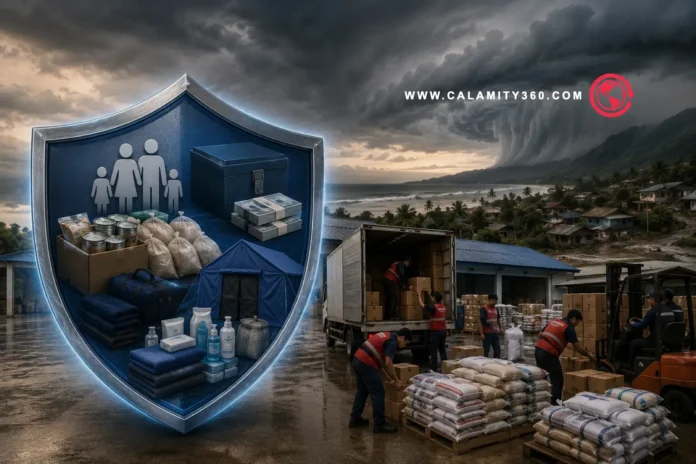

When Climate Warnings Reach the Doorstep
Extreme weather patterns now place many Philippine communities under constant environmental pressure annually. Across several provinces, destructive floods and prolonged droughts already disrupt ordinary economic activities repeatedly. From my perspective, delayed preparation often worsens humanitarian conditions after severe weather disturbances arrive.
Meanwhile, Western Visayas faces increasing vulnerability because climate irregularities continue affecting agriculture, infrastructure, and household stability. Local government units cannot shoulder every emergency requirement without substantial national government augmentation afterward. The Department of Social Welfare and Development in Western Visayas therefore prepared PHP178.27 million worth of standby resources strategically. Such preparations include financial reserves, food stockpiles, emergency shelter materials, and other essential humanitarian supplies.
Public disaster preparation should never begin only after families already suffer displacement and economic hardship afterward. Based on observed disaster response realities, faster resource deployment frequently determines whether vulnerable households recover efficiently. DSWD-6 also expanded preparedness through Project LAWA and BINHI across vulnerable Western Visayas communities afterward. These interventions strengthen climate resilience through improved water access and enhanced agricultural productivity among struggling local populations.
Stockpiles, Cash, and Faster Emergency Reach
Substantial emergency reserves often determine whether isolated communities receive assistance before humanitarian conditions deteriorate. DSWD-6 currently maintains PHP3 million worth of standby cash reserves for immediate disaster mobilization afterward. From my perspective, accessible emergency funding frequently prevents severe operational paralysis after destructive calamities arrive.
Moreover, the regional office prepared 187,450 family food packs worth PHP113.26 million before anticipated emergencies. Authorities also secured 34,812 ready to eat food boxes valued at PHP29.29 million strategically afterward. Based on disaster response realities, delayed food distribution frequently worsens disease exposure among displaced households.
Meanwhile, DSWD-6 allocated PHP32.72 million worth of nonfood humanitarian supplies across Western Visayas strategically. These resources include hygiene kits, sleeping kits, kitchen kits, modular tents, and laminated sacks afterward. Such materials support displaced families whenever typhoons destroy ordinary household resources throughout vulnerable provincial communities. From my assessment, diversified emergency inventories strengthen humanitarian response efficiency during unpredictable environmental disruptions afterward.
Furthermore, the department strategically prepositioned humanitarian supplies inside regional warehouses and localized storage facilities afterward. Western Visayas currently hosts seventy four localized prepositioned sites for faster emergency distribution during disasters. Experience across multiple calamities consistently proves centralized stockpiles usually create avoidable transportation delays afterward. Earlier resource placement frequently determines whether isolated municipalities receive assistance within critical survival periods afterward.
Likewise, droughts, floods, landslides, and destructive typhoons often overwhelm local government logistical capacities afterward. Many vulnerable provinces lack sufficient transport resources during severe weather disruptions across remote geographic locations. From my viewpoint, decentralized humanitarian networks significantly improve emergency response speed during unstable environmental conditions. Efficient supply access also reduces public panic whenever communities await delayed government humanitarian assistance afterward. Consequently, DSWD-6 preparedness measures reflect practical disaster management principles rather than symbolic government announcements afterward.
Climate Defense Beyond Relief Distribution
Beyond immediate disaster assistance, long term resilience programs often produce stronger community survival capacities afterward. DSWD-6 allocated PHP71.05 million for Project LAWA and BINHI implementation across vulnerable localities strategically. From my analysis, preventive climate adaptation programs frequently deliver wider socioeconomic benefits than temporary relief operations.
Project LAWA focuses primarily on improved local water access for climate vulnerable communities throughout Western Visayas afterward. Water scarcity frequently disrupts agricultural productivity whenever prolonged drought conditions affect rural farming municipalities severely. Many farming households suffer income instability because unreliable water supply weakens crop production across agricultural provinces. Effective water access programs therefore strengthen local food availability and reduce economic vulnerability among struggling communities.
Meanwhile, Project BINHI aims to improve agricultural productivity and strengthen household food security afterward. Food insecurity frequently emerges whenever climate disturbances reduce harvest yields across economically vulnerable farming populations annually. From my perspective, stronger agricultural output directly improves community resilience against recurring environmental disruptions afterward.
The combined initiatives currently cover twenty four cities and municipalities across Western Visayas and Negros Occidental strategically. Such geographic coverage reflects broader recognition that climate threats now affect multiple sectors simultaneously afterward. Environmental disruptions no longer affect agriculture alone because public health and household stability also suffer. Preventive adaptation measures therefore create stronger long term protection against worsening climate related socioeconomic pressures afterward.
Likewise, sustainable disaster preparedness should extend beyond emergency food distribution and temporary humanitarian interventions afterward. Communities require reliable water systems, stable agricultural productivity, and stronger local food production capacities continuously. From my assessment, climate resilience programs become more effective whenever government agencies prioritize preventive adaptation afterward. Long term environmental preparation frequently reduces future humanitarian expenses and limits avoidable public suffering afterward. Consequently, Project LAWA and BINHI represent proactive governance rather than reactive disaster management approaches afterward.
Preparedness Shapes Survival Before Disaster Lands
Ultimately, disaster resilience depends heavily upon preparation before destructive weather conditions severely affect vulnerable communities afterward. Emergency response alone cannot fully protect families whenever resource deployment begins far too late afterward. From my perspective, proactive planning consistently produces stronger humanitarian outcomes during large scale environmental emergencies nationwide.
Moreover, strategic stockpiles and localized emergency facilities significantly improve government disaster response efficiency afterward. Faster resource access frequently reduces preventable hunger, disease exposure, and social instability among displaced populations afterward. Communities also benefit whenever climate adaptation programs strengthen water access and agricultural productivity before disasters emerge. Effective preparedness therefore requires financial readiness, logistical coordination, and long term environmental resilience simultaneously.
Likewise, climate threats will likely intensify unless stronger adaptation measures receive sustained institutional support afterward. Vulnerable communities across Western Visayas and Negros Occidental therefore require continued protection through preventive government initiatives. From my assessment, disaster preparedness reflects responsible governance whenever authorities prioritize long term public survival afterward. Consequently, DSWD-6 preparedness efforts demonstrate how early intervention can reduce future humanitarian consequences substantially.

CALAMITY360.com delivers global news and safety insights on earthquakes, tsunamis, volcanic eruptions, floods, wildfires, storms, and tornadoes. It provides timely updates, expert tips, and disaster-readiness information to foster awareness, preparedness, and resilience across communities worldwide.