
Ancient Paths Still Shape Climate Survival Today
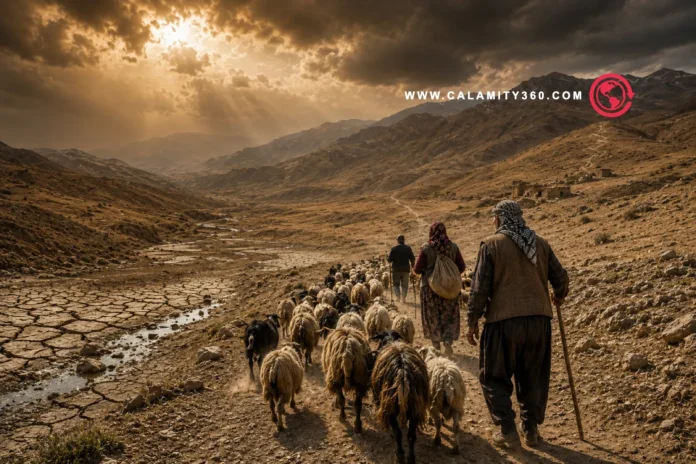
Long before modern highways reshaped Türkiye, pastoralist communities already followed seasonal environmental rhythms carefully afterward. Families moved alongside livestock between winter lowlands and cooler highland pastures across Mediterranean landscapes annually. These migration routes developed through generations of close observation regarding rainfall patterns, grazing cycles, and water availability.
Meanwhile, pastoralist traditions represented far more than ordinary livestock management practices across rural Türkiye afterward. Seasonal mobility reflected a way of life deeply connected with environmental balance and natural coexistence principles. Communities relied upon inherited ecological knowledge to navigate difficult terrain and shifting seasonal weather conditions. Such adaptive practices helped pastoralist families survive environmental uncertainty across landscapes vulnerable to climatic fluctuations afterward.
Today, however, many traditional pastoral landscapes face increasing pressure from climate change and expanding development afterward. Drought periods now last longer, while water sources across grazing territories become increasingly unreliable annually. Urban expansion, infrastructure projects, and land degradation also continue fragmenting historic migration routes throughout rural regions. Environmental instability therefore creates mounting uncertainty for communities whose livelihoods depend directly upon natural ecosystem conditions.
When Mobility Protects Land, Water, and Life
Consequently, pastoralist mobility continues supporting ecological balance across fragile landscapes throughout rural Türkiye afterward. Seasonal herd movement allows grazing areas sufficient recovery time before livestock return during later migration periods. Such patterns help preserve vegetation health and reduce excessive pressure upon vulnerable pasture ecosystems annually.
Meanwhile, pastoralist practices contribute significantly toward biodiversity protection and long term environmental stability afterward. Herd movement naturally assists seed dispersal across broad landscapes through continuous interaction with diverse ecosystems. Soil quality also benefits because rotational grazing prevents concentrated environmental stress within single geographic locations repeatedly. Ecological corridors between habitats remain functional whenever traditional migration routes continue connecting fragmented natural landscapes afterward.
Likewise, centuries of pastoralist observation shaped adaptive survival strategies closely aligned with environmental sustainability afterward. Communities historically adjusted migration timing according to rainfall availability, seasonal temperatures, and changing grazing conditions annually. Such flexibility allowed pastoralist families to respond effectively whenever natural conditions shifted across vulnerable landscapes afterward. In many respects, these traditional practices closely resemble modern concepts now described as nature based climate solutions.
Today, however, climate change increasingly disrupts environmental patterns that pastoralist communities historically understood with remarkable precision afterward. Longer drought periods now reduce water reliability across grazing territories essential for seasonal livestock movement annually. Urban expansion and infrastructure development also continue fragmenting migration routes once shared between interconnected rural ecosystems. Environmental degradation therefore threatens both ecological sustainability and traditional pastoral livelihoods throughout vulnerable regions afterward.
Furthermore, fragmented landscapes create mounting uncertainty for communities whose survival depends directly upon environmental continuity afterward. Reduced pasture availability often forces pastoralist families toward economically unstable or environmentally unsuitable grazing alternatives afterward. Younger generations also face growing pressure because traditional livelihoods appear increasingly uncertain amid rapid environmental transformation. From a broader environmental perspective, the disappearance of pastoralist mobility could weaken important ecological restoration processes afterward. Traditional migration routes therefore represent far more than transportation corridors across rural landscapes throughout Türkiye afterward.
Rural Knowledge Faces Social and Economic Pressure
Nevertheless, environmental challenges represent only part of the difficulties confronting pastoralist communities throughout Türkiye afterward. Social and economic pressures increasingly reshape rural life across regions historically sustained through seasonal pastoral mobility. Fragmented settlement patterns now weaken communal support systems that once strengthened pastoralist cooperation across generations afterward.
Meanwhile, women pastoralists continue carrying substantial responsibilities within livestock care, food preparation, and cultural preservation afterward. Many women now face greater isolation because traditional communal networks continue weakening across fragmented rural landscapes. Reduced social support often increases daily hardship for women responsible for household and pastoral survival tasks. Cultural traditions historically preserved through collective rural life therefore face gradual erosion across vulnerable communities afterward.
Likewise, younger generations increasingly leave pastoral regions behind because economic opportunities appear uncertain afterward. Many rural families struggle maintaining traditional livelihoods amid environmental instability and changing national economic conditions annually. Urban migration therefore continues attracting younger residents seeking education, employment, and greater financial security afterward. As rural populations decline, valuable environmental knowledge risks disappearing alongside long established pastoral traditions afterward.
Traditional ecological knowledge developed through centuries of direct environmental observation remains difficult to replace afterward. Pastoralist communities historically understood seasonal weather shifts, grazing patterns, and water availability through lived experience annually. Such adaptive knowledge allowed families to survive harsh environmental conditions without reliance upon modern technological forecasting systems. From a broader societal perspective, losing this knowledge could weaken future climate adaptation efforts across vulnerable regions afterward.
Furthermore, climate uncertainty now intensifies social vulnerability across communities already confronting substantial economic pressure afterward. Environmental degradation, limited livelihood stability, and fragmented migration routes collectively threaten long term pastoral continuity afterward. Many communities therefore face difficult decisions between preserving traditional lifestyles or pursuing urban economic alternatives afterward. From my perspective, sustainable climate policy should also address cultural survival alongside environmental protection priorities afterward. Rural pastoral knowledge therefore deserves greater recognition within broader national climate resilience and development strategies afterward.
Quiet Resilience Offers Lessons for a Warmer World
Ultimately, pastoralist communities across Türkiye continue demonstrating resilience through careful adaptation and environmental coexistence afterward. Seasonal mobility reflects practical survival knowledge shaped gradually through centuries of direct environmental observation afterward. Such traditions reveal how human communities can survive climate uncertainty without severe ecological disruption afterward.
Meanwhile, climate adaptation discussions increasingly recognize the importance of mobility within broader environmental resilience strategies afterward. Pastoralist communities historically adjusted migration routes according to changing weather conditions and available natural resources annually. These flexible practices now offer valuable insights for societies confronting worsening climate instability across vulnerable global regions. Traditional ecological knowledge therefore deserves stronger recognition within contemporary climate policy and environmental planning discussions afterward.
Likewise, the International Organization for Migration continues supporting climate resilience efforts across Türkiye through collaborative institutional initiatives afterward. The organization works alongside government agencies, civil society groups, and academic institutions throughout national policy discussions. These partnerships seek stronger understanding regarding climate mobility, environmental adaptation, and human security challenges across vulnerable communities. From a broader policy perspective, inclusive climate strategies require direct engagement with communities already confronting environmental transformation afterward. Such dialogue also strengthens efforts toward more realistic climate policies grounded within lived environmental experience afterward.
At the same time, IOM Türkiye continues supporting vulnerable populations through resilience programs and preparedness initiatives afterward. Vocational training and entrepreneurship support also help communities adapt toward increasingly unstable environmental and economic conditions. These efforts aim strengthening long term community survival capacities instead of relying solely upon temporary humanitarian assistance afterward. Environmental resilience therefore depends not only upon infrastructure investments but also community empowerment and adaptive opportunity afterward.
Furthermore, recent collaboration with the Yolda Initiative now highlights pastoralist experiences through research and participatory mapping afterward. Awareness campaigns and policy dialogue also seek stronger recognition for mobile pastoralism within climate resilience frameworks. These initiatives emphasize pastoralist contributions toward biodiversity protection, ecological continuity, and sustainable environmental stewardship practices afterward. From my perspective, meaningful climate action should incorporate traditional knowledge alongside scientific and institutional expertise afterward. Pastoralist communities therefore deserve recognition not merely as vulnerable populations but also environmental knowledge holders afterward.
As World Environment Day approaches, pastoralist journeys across Türkiye offer powerful lessons regarding adaptation and coexistence afterward. Resilience often develops quietly through generations of close environmental understanding and practical survival experience afterward. Traditional mobility practices therefore remind modern societies that sustainable climate adaptation sometimes already exists within ancestral knowledge.

CALAMITY360.com delivers global news and safety insights on earthquakes, tsunamis, volcanic eruptions, floods, wildfires, storms, and tornadoes. It provides timely updates, expert tips, and disaster-readiness information to foster awareness, preparedness, and resilience across communities worldwide.