
Beneath Saturated Streets, A City Pushes Forward
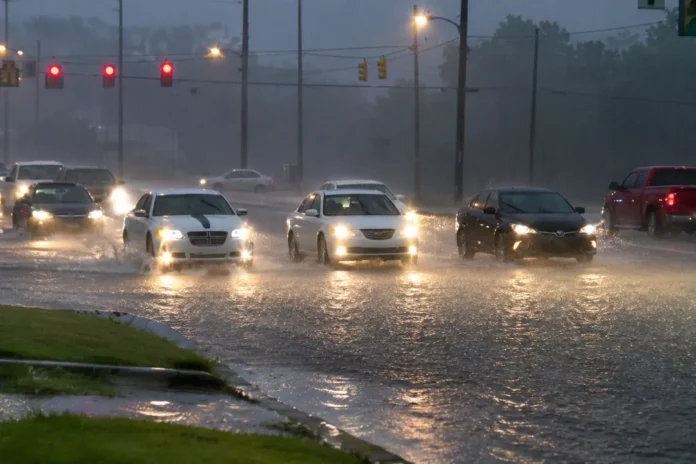
Heavy storms swept across Gadsden and nearby east Alabama communities during several difficult days this week. Floodwater covered roads quickly, leaving stranded motorists trapped beside damaged intersections and submerged streets. Fallen trees and damaged power lines created additional hazards across neighborhoods already overwhelmed by relentless rainfall. Local officials now monitor weather developments closely while residents brace for possible storms during upcoming days.
Meanwhile, emergency crews throughout Etowah County continued cleanup operations after widespread flooding disrupted several communities. Certain roads suffered visible structural damage after rushing water weakened pavement and surrounding ground underneath. A sinkhole along Carol Avenue exposed underground infrastructure, raising concerns regarding drainage system vulnerabilities citywide. Officials acknowledged several flooded locations repeatedly experience problems whenever severe rainfall overwhelms existing drainage capacity.
Elsewhere, saturated ground conditions prevented floodwater from draining efficiently across vulnerable parts of the county. Older infrastructure throughout Gadsden also complicated recovery efforts after large volumes of rain struck simultaneously. Emergency leaders explained widespread storms often create logistical problems because damage appears across numerous locations immediately. Residents familiar with flood prone areas recognized familiar warning signs as creeks, streets, and drainage channels overflowed. City leaders now face increasing pressure to strengthen aging systems before another severe rainfall event strikes.
Old Drainage Systems Meet Relentless Rainfall
Across Etowah County, several neighborhoods repeatedly face flooding whenever severe storms overwhelm local drainage systems. Emergency management officials acknowledged certain flood prone locations remain vulnerable because surrounding infrastructure struggles during extreme rainfall. Residents familiar with these recurring trouble spots often prepare quickly whenever weather forecasts predict additional heavy rain.
Consequently, saturated ground conditions prevented floodwater from draining efficiently throughout numerous streets and low lying areas. City officials explained large volumes of rainfall arrived faster than drainage systems could safely accommodate simultaneously. Water collected rapidly near clogged inlets, blocked culverts, and roadside ditches filled with natural debris. Crews encountered logistical difficulties because widespread flooding created emergencies across several neighborhoods at nearly identical times.
Leaves, branches, and loose debris also contributed heavily toward drainage problems throughout older sections of Gadsden. Officials stated infrequent heavy rainfall often flushes accumulated material directly into stormwater pipes and underground channels. Once those systems clog completely, floodwater rises quickly and spills into streets, intersections, and residential neighborhoods. Residents frequently underestimate how ordinary debris buildup can eventually create serious flooding problems during powerful storms.
Furthermore, city leaders emphasized many drainage concerns involve long term maintenance challenges rather than isolated infrastructure failures. Gadsden officials explained older sections of the city contain drainage systems designed decades before current rainfall patterns emerged. Although improvement projects strengthened certain vulnerable locations recently, widespread storms still strain emergency resources significantly. Officials admitted simultaneous flooding incidents create response delays because crews cannot immediately reach every affected neighborhood safely.
Meanwhile, local authorities continue drainage improvement efforts while preparing for additional storms across east Alabama communities. Emergency leaders stressed communication remains essential whenever floodwaters threaten roads, homes, and public infrastructure simultaneously. The Hey Gadsden App now helps officials identify trouble areas faster and prioritize urgent repair operations. Residents also play an important role by reporting blocked drains, fallen trees, and dangerous roadway conditions promptly.
Storm Recovery Efforts Stretch Across Gadsden
Following widespread flooding across east Alabama, cleanup crews spread throughout Gadsden to restore damaged public areas. Utility workers removed fallen power lines while emergency teams inspected roads weakened by rushing floodwater afterward. Several neighborhoods faced difficult conditions after storms toppled trees and blocked streets with scattered debris.
Subsequently, work crews focused heavily on damaged infrastructure throughout neighborhoods affected by severe flash flooding recently. The sinkhole along Carol Avenue received immediate attention after exposed underground pipes raised additional public safety concerns. Officials inspected surrounding pavement carefully because saturated soil created instability beneath several nearby sections of roadway. Emergency personnel also monitored vulnerable locations continuously while additional thunderstorms threatened already weakened drainage systems across Gadsden.
Residents across Etowah County witnessed rapid response efforts as local agencies coordinated recovery operations efficiently afterward. Crews cleared fallen limbs, reopened blocked streets, and restored access throughout heavily affected residential neighborhoods quickly. Public works officials emphasized recovery operations require coordination because widespread damage often stretches available manpower considerably. Emergency teams also prioritized dangerous locations where floodwater, electrical hazards, and unstable ground threatened public safety directly.
Meanwhile, the Hey Gadsden App emerged as an important communication tool during ongoing recovery efforts citywide. Residents used the application frequently to report clogged drains, fallen trees, damaged streets, and dangerous flooding conditions. Officials explained faster public reporting allows emergency crews to prioritize urgent repairs and coordinate resources more efficiently. The application also strengthened communication between residents and response teams during rapidly changing weather emergencies recently.
Elsewhere, emergency management leaders continue preparation efforts because additional storms could strike already vulnerable communities soon. Officials urged residents to remain alert whenever weather conditions worsen and flood prone streets become hazardous quickly. Cleanup crews throughout Gadsden still face substantial workloads as repairs continue across damaged roads and neighborhoods. City leaders acknowledged recovery may require considerable time because recurring storms repeatedly interrupt restoration operations across east Alabama.
Rising Water Exposes Fault Lines Beneath Cities
Ultimately, severe weather events continue exposing infrastructure weaknesses throughout many older American cities every year. Communities like Gadsden often face repeated flooding because aging drainage systems struggle during extreme rainfall events. Local officials now recognize maintenance delays and limited upgrades eventually create larger public safety risks afterward.
Accordingly, emergency coordination remains essential whenever widespread flooding disrupts transportation networks, utilities, and residential neighborhoods simultaneously. Fast communication between residents, emergency crews, and public officials often determines how quickly recovery operations succeed. Digital reporting tools now strengthen response efforts because residents can identify dangerous conditions before situations worsen rapidly. Public cooperation also helps emergency personnel allocate limited resources efficiently during chaotic weather emergencies across affected communities.
Elsewhere, long term infrastructure planning may determine whether vulnerable cities withstand stronger storms during future decades. Drainage systems constructed generations earlier often cannot accommodate modern rainfall intensity across rapidly expanding urban neighborhoods. Officials throughout east Alabama now face difficult decisions regarding maintenance priorities, emergency funding, and future infrastructure upgrades. Residents also expect faster recovery operations whenever repeated flooding disrupts daily life and threatens public safety repeatedly.
Nevertheless, Gadsden officials continue preparation efforts while storms remind communities about persistent infrastructure vulnerabilities beneath ordinary streets. Recovery crews, emergency leaders, and residents now share responsibility for reducing risks before future flooding emergencies emerge. Severe rainfall may remain unavoidable, yet stronger coordination and consistent maintenance could limit future destruction considerably. Cities across America now confront similar challenges as climate patterns place increasing pressure upon aging public infrastructure.

CALAMITY360.com delivers global news and safety insights on earthquakes, tsunamis, volcanic eruptions, floods, wildfires, storms, and tornadoes. It provides timely updates, expert tips, and disaster-readiness information to foster awareness, preparedness, and resilience across communities worldwide.