
Pacific Waters Shift Beneath an Already Hot Planet
NOAA officially confirmed El Niño conditions formed across the tropical Pacific Ocean this week. Scientists observed warmer ocean temperatures alongside atmospheric changes linked toward expanding global weather disruptions. The declaration immediately renewed concerns regarding floods, droughts, and worsening heat across vulnerable regions.
Meanwhile, El Niño develops whenever Pacific trade winds weaken and warmer waters spread. Scientists said ocean temperatures remained approximately 0.5 degrees Celsius above long term averages recently. Atmospheric conditions also shifted significantly enough for NOAA officials declaring an official El Niño. Researchers warned stronger warming could intensify already dangerous climate extremes throughout vulnerable global communities.
Additionally, scientists expect the developing El Niño event strengthening throughout upcoming months worldwide. Experts believe worsening floods may threaten certain regions while drought conditions intensify elsewhere. Rising temperatures also could amplify dangerous heat waves already connected toward human driven climate change. The phenomenon may eventually reshape weather patterns across continents during upcoming seasonal transitions.
Scientists Fear an Unfamiliar Climate Threshold Ahead
Meanwhile, scientists increasingly worry this developing El Niño could exceed previous historical climate records. NOAA estimated a sixty three percent chance for extremely strong ocean warming conditions. Researchers warned unprecedented Pacific temperatures may create dangerous global climate consequences within coming months.
Several forecasts suggest sea surface temperatures could rise beyond three degrees Celsius eventually. Such warming levels would surpass previous El Niño events recorded throughout modern climate history. Experts admitted current climate models provide limited guidance for such extraordinary warming scenarios. Scientists fear unpredictable outcomes because human driven warming already intensified existing global climate instability.
Additionally, oceanographer Malte Stuecker described possible future conditions as potentially catastrophic for vulnerable regions. He explained researchers lack reliable historical comparisons for projected warming within current climate conditions. Scientists therefore remain uncertain regarding the full extent of possible worldwide weather disruptions.
Previous El Niño events already coincided with some of Earth’s hottest recorded annual temperatures globally. The 2023 and 2024 El Niño period aligned with unprecedented worldwide heat records afterward. Scientists expect another powerful event could amplify dangerous warming trends across vulnerable continents again.
Consequently, researchers continue monitoring Pacific Ocean conditions for signs regarding future climate escalation worldwide. Scientists fear stronger warming may intensify floods, droughts, crop failures, and deadly heat waves. Many experts believe unprecedented ocean temperatures could challenge disaster preparedness systems across numerous countries.
Extreme Weather Risks Expand Across Vulnerable Regions
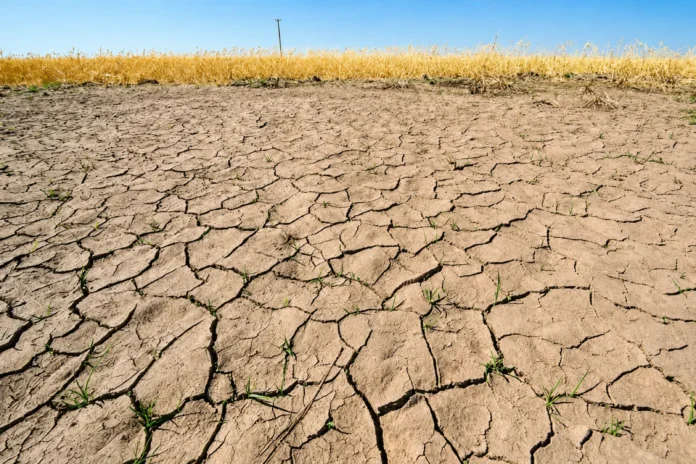
Meanwhile, El Niño threatens reshaping weather patterns across multiple vulnerable regions throughout upcoming seasons. Scientists expect wetter conditions across portions of the Americas during stronger Pacific warming. Other regions may instead face severe droughts, extreme heat, and worsening agricultural disruption.
South and Southeast Asia could experience dangerous dryness beneath prolonged El Niño conditions afterward. Australia and southern Africa also remain vulnerable toward severe rainfall shortages and crop failures. Researchers warned disrupted rainfall patterns may threaten food supplies across already struggling agricultural communities. Poorer nations remain particularly exposed because existing economic vulnerabilities already strain local disaster response systems.
Additionally, humanitarian experts expressed concern regarding worsening food insecurity across vulnerable developing countries worldwide. Fertilizer shortages connected toward Strait of Hormuz disruptions already threaten agricultural productivity before droughts. Reduced humanitarian funding may further weaken relief operations across regions facing worsening climate disasters.
For the United States, El Niño may provide one temporary benefit during Atlantic hurricane season. Scientists from Colorado State University reduced hurricane forecasts toward historically lower activity expectations afterward. Weaker Atlantic hurricane conditions often develop because El Niño disrupts storm formation across tropical waters.
Nevertheless, researchers warned dangerous climate consequences could still outweigh possible regional weather advantages worldwide. El Niño may intensify flooding, droughts, crop failures, and economic instability across vulnerable populations. Experts fear millions could face worsening hardship as global climate conditions grow increasingly unpredictable.
Communities Confront a Hotter and Less Predictable Future
Afterward, the new El Niño event highlighted growing instability throughout Earth’s changing climate systems worldwide. Scientists warned natural climate cycles now interact dangerously with persistent human driven planetary warming. Those combined forces may intensify future weather disasters across increasingly vulnerable global populations.
Likewise, experts stressed stronger international preparedness before extreme climate disruptions escalate beyond manageable levels. Governments worldwide may require faster disaster planning, agricultural adaptation, and coordinated humanitarian response systems. Vulnerable populations remain especially threatened because economic inequality often limits emergency recovery capabilities afterward. Scientists fear future climate extremes may become harder predicting within rapidly shifting atmospheric conditions.
Additionally, researchers warned global weather patterns could remain unstable throughout upcoming years after El Niño. Floods, droughts, extreme heat, and food shortages may increasingly overlap across vulnerable regions worldwide. Climate experts therefore continue urging governments strengthening resilience before future environmental crises intensify further.
Elsewhere, humanitarian organizations emphasized growing risks facing poorer communities already weakened by repeated disasters. Many vulnerable regions still struggle recovering from previous floods, droughts, and devastating climate emergencies. Experts fear limited resources may leave millions exposed toward worsening environmental and economic hardships.
Ultimately, the developing El Niño event reinforced concerns regarding humanity’s uncertain climate future worldwide. Scientists warned unprecedented warming may challenge existing disaster management systems across vulnerable nations repeatedly. Global cooperation, scientific monitoring, and public preparedness remain critical during increasingly volatile climate conditions.

CALAMITY360.com delivers global news and safety insights on earthquakes, tsunamis, volcanic eruptions, floods, wildfires, storms, and tornadoes. It provides timely updates, expert tips, and disaster-readiness information to foster awareness, preparedness, and resilience across communities worldwide.