
Beneath the Sea, Fear Refuses to Rest
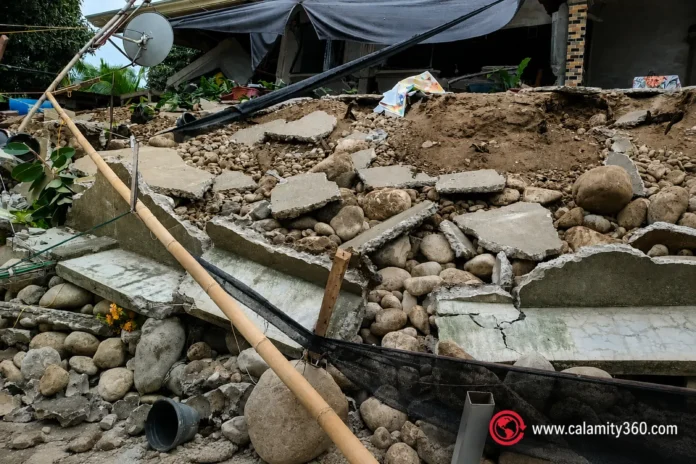
A powerful magnitude 7.8 earthquake struck off Sarangani early Sunday morning without warning. Coastal communities across Mindanao immediately faced violent shaking, panic, and widespread public uncertainty. Many residents rushed outside damaged homes while emergency officials assessed conditions throughout affected provinces.
Meanwhile, state seismologists recorded more than 1,100 aftershocks within hours after the massive earthquake. The repeated tremors ranged from weak underground movements to dangerously strong seismic disturbances. Several aftershocks reached populated communities and caused renewed fear among already exhausted residents. Families remained alert throughout the night because additional strong tremors could strike unexpectedly again.
The Philippine Institute of Volcanology and Seismology continued close monitoring near the earthquake’s offshore epicenter. Authorities confirmed that hundreds of aftershocks already appeared within official seismic monitoring systems. Public concern intensified further after tsunami waves damaged infrastructure, communication lines, and regional power facilities. Seismologists also warned that aftershocks could continue for more than an entire month afterward.
Hundreds Feel Tremors Across Southern Towns
Subsequent seismic reports revealed relentless underground movement near the earthquake’s offshore rupture zone. Phivolcs documented more than 1,100 aftershocks within twenty four hours after the destructive earthquake. Most tremors originated near Sarangani waters where tectonic pressure remained dangerously unstable afterward.
Authorities recorded aftershocks that ranged between magnitude 1.3 and a powerful magnitude 6.7 disturbance. Several stronger tremors shook homes repeatedly across coastal municipalities and nearby inland communities. Residents who survived initial destruction struggled emotionally after continuous nighttime seismic disturbances persisted.
Consequently, many families avoided damaged houses despite heavy rainfall and limited emergency shelter capacity. Parents kept children near evacuation centers because sudden tremors repeatedly interrupted ordinary community routines. Medical workers also treated several residents who suffered anxiety, exhaustion, and stress related symptoms. Local officials urged communities toward caution because additional strong aftershocks could occur without notice.
Furthermore, engineers inspected schools, bridges, ports, and hospitals for hidden structural weaknesses afterward. Repeated tremors complicated recovery efforts because repair crews feared sudden collapses inside unstable buildings. Power interruptions also affected communication networks across several municipalities near the earthquake’s offshore epicenter. Emergency responders faced difficult travel conditions after debris blocked roads throughout several vulnerable communities.
Seismologists explained that powerful earthquakes usually produce prolonged aftershock sequences beneath stressed tectonic regions. Large seismic ruptures redistribute underground pressure unevenly across surrounding faults and fractured crust afterward. Each subsequent tremor reflects continued crustal adjustment after sudden movement along major geological faults. Some aftershocks remain weak, although others approach destructive levels capable of additional infrastructure damage. Experts therefore warned residents against complacency despite calmer weather conditions across several affected provinces.
Meanwhile, public attention remained fixed upon official seismic bulletins released throughout the entire disaster zone. Phivolcs continued real time seismic surveillance near the earthquake’s offshore origin throughout Monday morning. Residents closely followed official advisories because uncertainty still surrounded future seismic activity levels afterward. Fear persisted across southern communities where families already endured evacuation, damage, and repeated traumatic tremors. Although daytime calm briefly returned, many residents still expected another destructive earthquake before sunrise.
Tsunami Waves Expose Coastal Vulnerability Again
Beyond relentless aftershocks, coastal communities also confronted dangerous tsunami waves after the offshore earthquake. Sudden water surges struck several shorelines shortly after violent seismic activity shook southern Mindanao. Residents near vulnerable coastal areas rushed toward higher ground after emergency tsunami warnings circulated.
Several ports, fishing facilities, and shoreline structures suffered damage from powerful incoming water surges. Local authorities suspended sea travel operations because dangerous coastal conditions threatened passenger and cargo safety. Communication lines also failed temporarily after seawater damaged electrical systems near affected coastal municipalities. Emergency personnel struggled with delayed coordination because unstable telecommunications complicated rescue and assessment operations afterward.
Likewise, power interruptions affected homes, businesses, evacuation centers, and medical facilities across several provinces afterward. Damaged infrastructure slowed emergency response efforts during critical hours following the destructive offshore earthquake. Some coastal roads became impassable after flooding, debris accumulation, and minor structural collapse incidents occurred. Public transportation services also experienced delays because authorities prioritized safety inspections across vulnerable transport routes. Residents therefore faced prolonged uncertainty while waiting for restoration of electricity and communication services.
Meanwhile, many coastal families relied upon previous disaster experience during emergency evacuation efforts afterward. Community leaders directed residents toward elevated areas immediately after official tsunami advisories reached local villages. Several fishermen abandoned boats quickly because strong water movement threatened coastal docking facilities afterward. Parents carried children toward temporary shelters while emergency sirens echoed throughout vulnerable coastal neighborhoods. Volunteers distributed food, water, and medical assistance despite difficult weather and unstable infrastructure conditions.
Undersea earthquakes remain especially dangerous because displaced seawater can travel rapidly toward populated coastlines afterward. Tsunami waves sometimes arrive within minutes after strong offshore earthquakes near densely populated islands. Even moderate waves possess enough destructive force against weak infrastructure near low elevation shorelines. Scientists therefore continue public education campaigns regarding immediate evacuation procedures after major offshore earthquakes.
Additionally, the Philippines faces constant tsunami threats because multiple tectonic boundaries surround the archipelago. Many coastal communities remain vulnerable because homes and businesses stand dangerously close toward shorelines. Geographic exposure therefore increases national disaster risk whenever powerful offshore earthquakes strike surrounding waters. Experts repeatedly emphasize stronger coastal preparedness plans before another destructive tsunami reaches populated regions.
Public concern intensified further after residents witnessed simultaneous earthquake destruction and dangerous coastal flooding afterward. The disaster exposed longstanding weaknesses within infrastructure systems across several vulnerable southern Philippine communities. Many families now question whether existing evacuation systems remain adequate during major offshore seismic emergencies. Authorities nevertheless promised continued assessment efforts while emergency operations remained active across affected provinces.
Long Nights Await Communities Near the Fault
After widespread destruction and coastal panic, recovery efforts now face a long uncertain road ahead. Thousands of residents still fear additional strong aftershocks throughout vulnerable areas across southern Mindanao. Many families continue temporary evacuation because damaged homes no longer provide reliable structural safety. Authorities also warned that seismic disturbances could persist for more than another entire month.
Recovery involves more than rebuilding collapsed infrastructure and restoring interrupted public utility services afterward. Emotional trauma also affects survivors who endured violent shaking, tsunami threats, and repeated nighttime tremors. Children especially remain vulnerable because constant fear disrupts sleep, education, and ordinary family routines. Health experts therefore encourage psychological support alongside emergency shelter and food assistance programs afterward. Community resilience nevertheless continues despite exhaustion, uncertainty, and widespread concern regarding future seismic activity.
Ultimately, scientific monitoring remains essential during prolonged seismic unrest across vulnerable earthquake prone communities afterward. Accurate public advisories help reduce panic while authorities coordinate evacuation and emergency response measures. Phivolcs continues seismic surveillance efforts because reliable information can prevent additional casualties during disasters. Residents therefore depend heavily upon timely warnings, public discipline, and community cooperation throughout recovery efforts.

CALAMITY360.com delivers global news and safety insights on earthquakes, tsunamis, volcanic eruptions, floods, wildfires, storms, and tornadoes. It provides timely updates, expert tips, and disaster-readiness information to foster awareness, preparedness, and resilience across communities worldwide.